
Last updated November 24, 2026
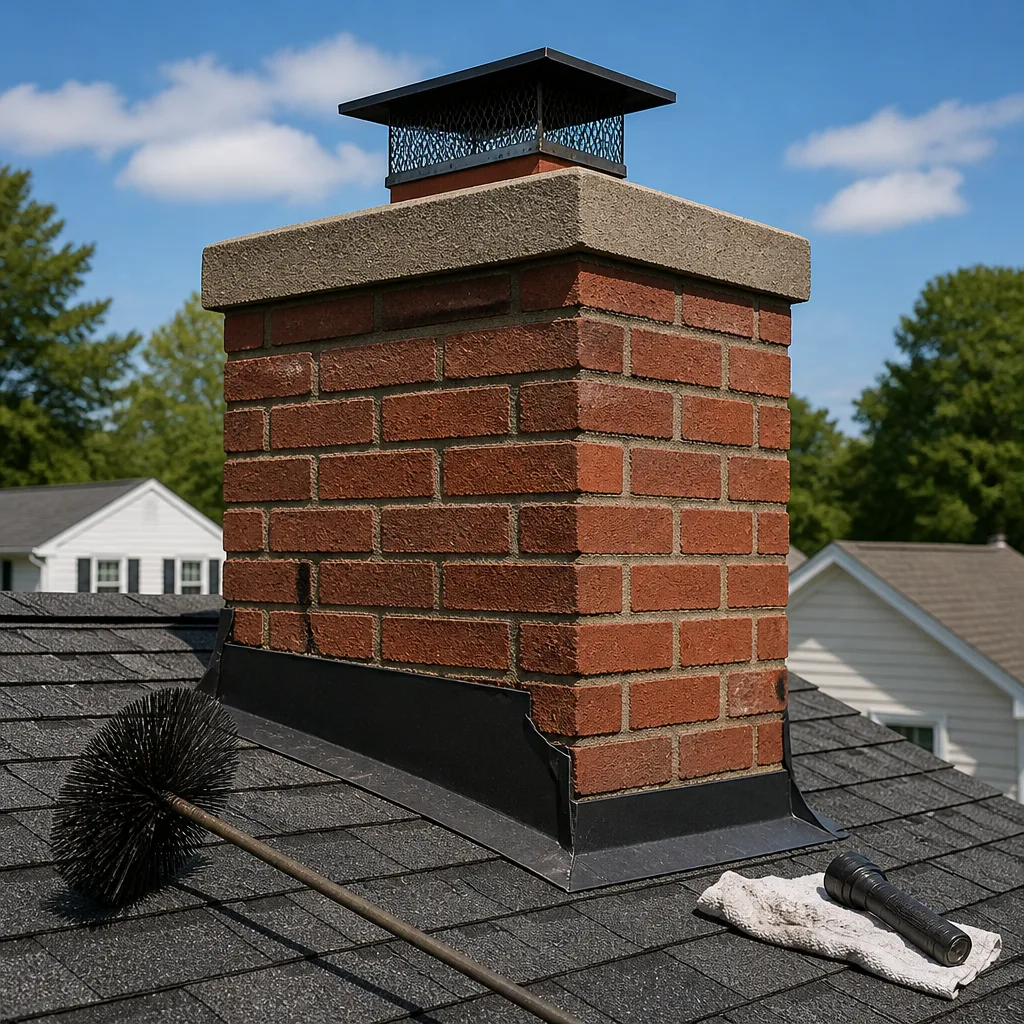 Sweep & inspection
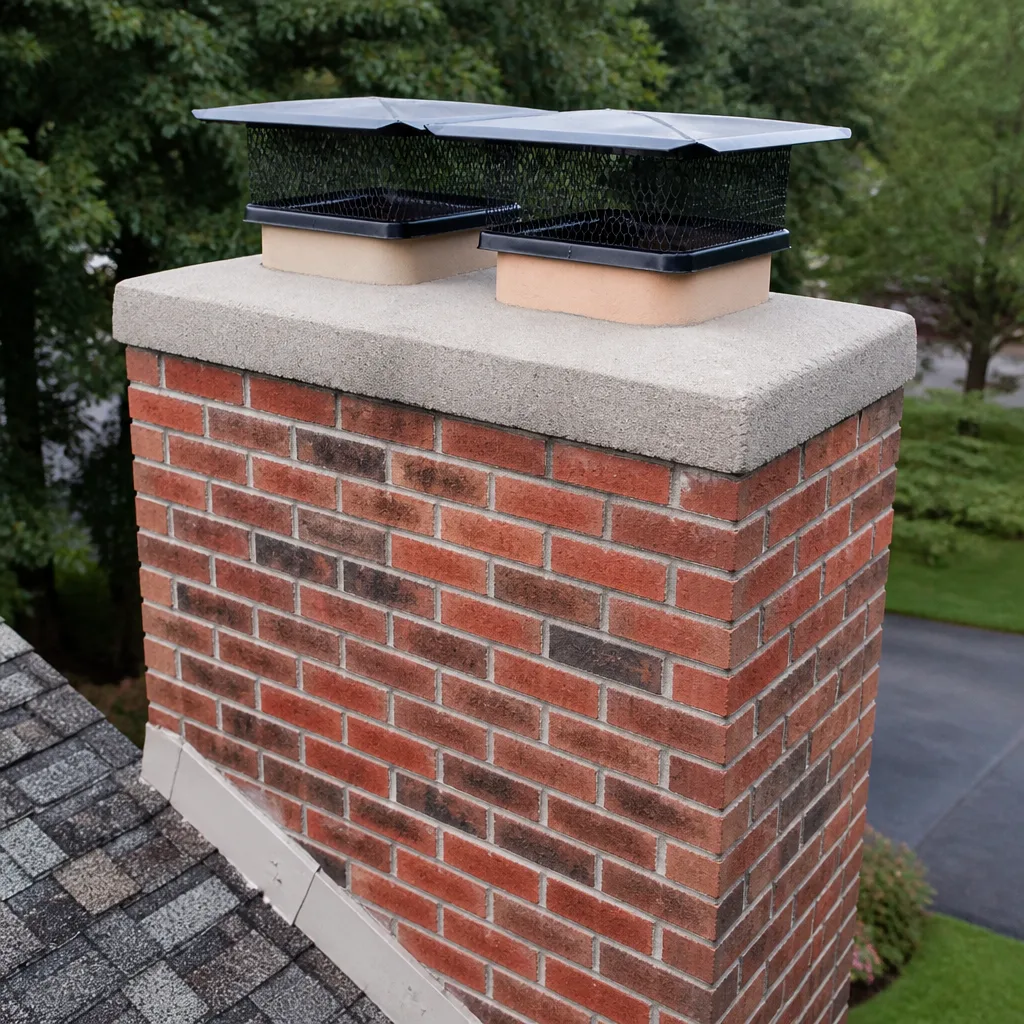 Caps & crowns
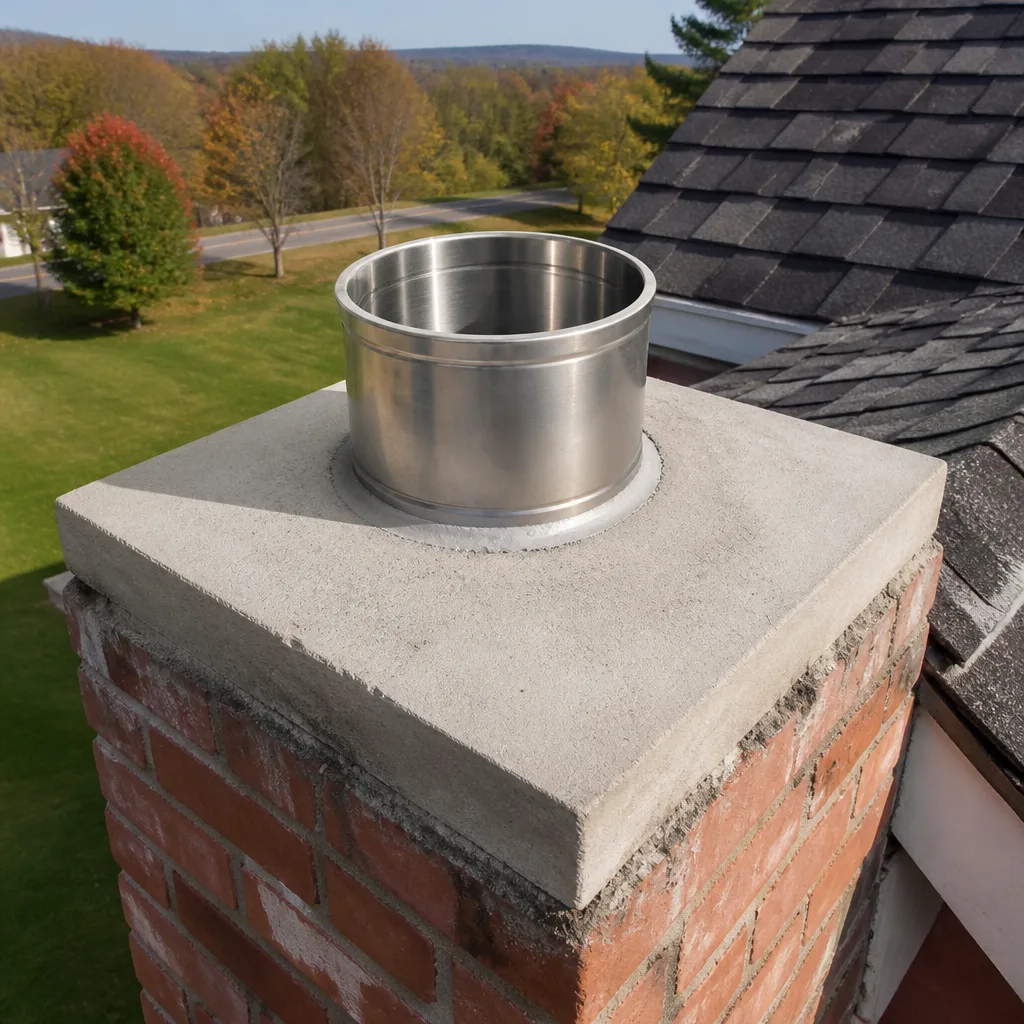 Flue relining
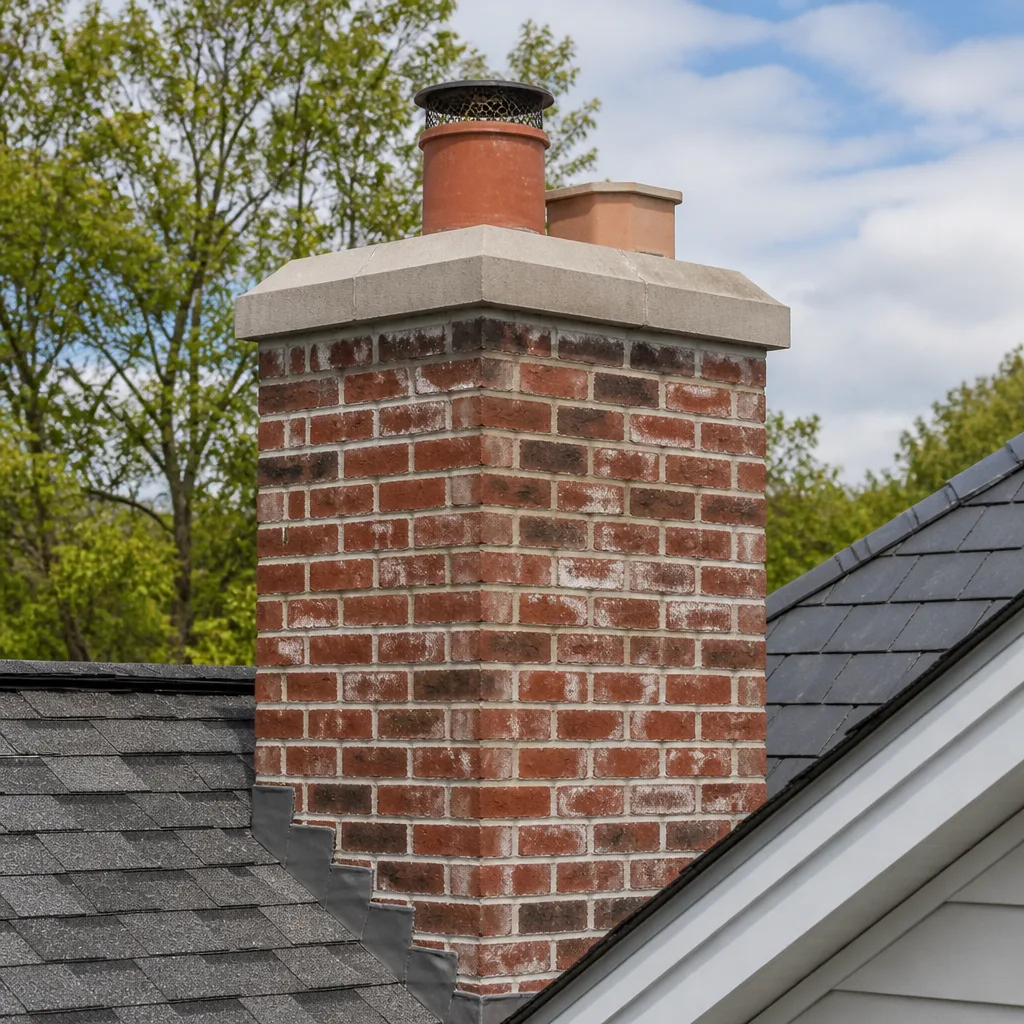 Masonry repair
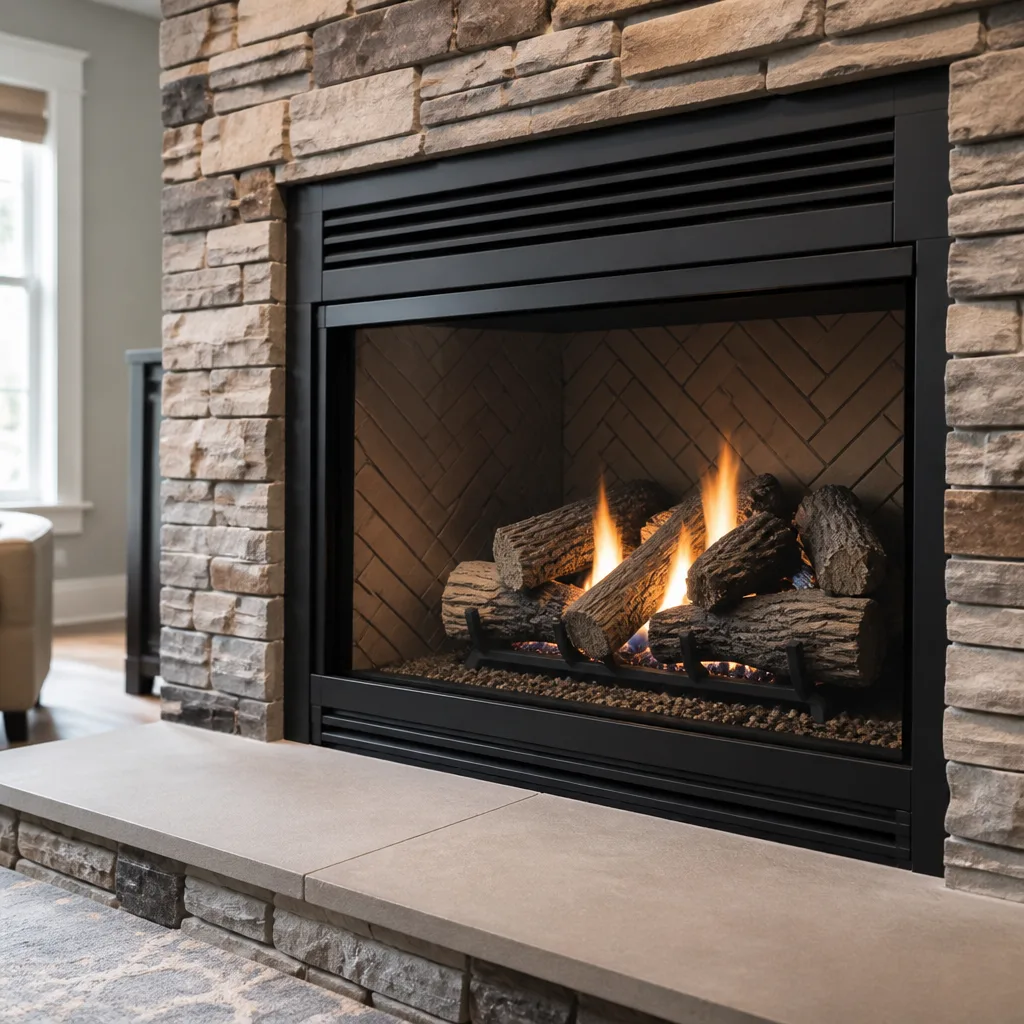 Gas fireplace service
Level 1 sweep and inspection to the NFPA 211 annual standard - flue, crown, cap, and flashing checked and photographed
Chimney sweep logs do not sweep chimneys. They loosen some creosote - which then falls where a brush and vacuum still have to collect it.
DIY vs Professional Chimney Cleaning: The Eagle Mountain Homeowner’s Decision Guide
Most chimney advice online splits into two useless camps: “never touch your flue” and “a brush and a YouTube video are all you need.” Neither helps you decide. The honest truth sits in a narrow middle. A homeowner with a straight single-flue chimney, a stage-one creosote deposit, and a quality rotary brush kit can do a credible job cleaning their own flue. But they cannot see the hairline crack in the tile liner three sections up, and that crack is the part that matters for fire safety. This guide maps that middle ground for Eagle Mountain homes: which chimneys can reasonably be swept by hand, which can’t, what you’re physically unable to check without camera equipment, and the four questions to answer before you decide this season.
Quick Answer
DIY chimney cleaning is defensible only when four things line up: a straight masonry flue, a thin stage-one soot or creosote deposit, professional-grade brushes and rods, and a clean bill of health from a professional inspection within the last year or two. In every other case, professional cleaning wins, not because the sweeping itself is impossible, but because the inspection that comes with it catches liner cracks, clearance failures, and crown damage that a homeowner cannot see or is not trained to recognize.
Styles & brands we work with
- Sweep & inspection
- Caps & crowns
- Flue relining
- Masonry repair
- Gas fireplace service
Table of Contents
- When DIY Chimney Cleaning Actually Works
- What You Physically Cannot Assess Without Pro Equipment
- The Real Cost of DIY vs Professional Cleaning
- Why Eagle Mountain’s Newer Homes Change the Math
- Creosote Stages and What Each One Demands
- Tool Quality Thresholds: What Counts as Real Equipment
- The Four-Question Decision Framework
- Recurring DIY vs a Once-a-Year Professional Visit
When DIY Chimney Cleaning Actually Works
DIY sweeping is a reasonable option for a specific, narrow set of circumstances. Being honest about where that line sits serves you better than a reflexive “always hire a pro.” Here is what the conditions look like in practice.
The chimney type. A straight, vertical masonry flue with no offsets, no factory-built metal insert, and no wood stove adapter is the only category where a homeowner with a rotary brush kit can physically reach the top of the flue and cover the full interior surface. A prefabricated fireplace system with a stainless steel liner and a specific manufacturer’s clearance requirements does not take the same cleaning approach. Neither does a masonry chimney with a shoulder or offset that forces the brush to bend.
The deposit stage. Stage-one creosote is a light, flaky soot that brushes off cleanly with a poly brush. Stage two is glazed and sticky, and a hand brush will skip over it. Stage-three creosote is a hard, tar-like glaze that requires rotary equipment, chemical treatment, or both. If you don’t know what stage you’re at, you can’t make this decision yet.
The tool quality. A homeowner using a cheap big-box “chimney brush” that flexes on the first push is doing more harm than good. A quality rotary brush, fiberglass rods with the right thread, a shop-vac with a proper HEPA filter, drop cloths, and safety glasses are the baseline. That’s a real equipment investment, and it may cost more than a single professional sweep.
Prior professional inspection. This is the condition most homeowners skip. If a professional has inspected the flue within the last year or two and confirmed the liner is intact and clearances are correct, DIY cleaning between professional inspections is a defensible choice. If you’ve never had the flue camera-inspected, you don’t actually know if the liner is intact, and no amount of sweeping skill fixes that.
What You Physically Cannot Assess Without Pro Equipment
Here’s the part that matters more than the cleaning itself. A homeowner can look up from the firebox with a flashlight and see the first few feet of flue. Three, five, ten, twenty feet up, the flue interior is a dark vertical tube. In our experience, this is where the critical findings live.
What a professional inspection catches that a flashlight cannot:
- Hairline cracks in flue tiles from thermal cycling, common on tile liners past a certain age. A crack lets heat and embers reach the wood framing behind the tile, and that’s a fire pathway.
- Missing or deteriorated mortar joints between sections of tile, which open pathways between the flue and the chimney exterior.
- Offset sections that a straight brush won’t traverse, meaning creosote accumulates at the offset even after a “cleaning.”
- Improper clearance to combustibles behind or beside the chimney. Oftentimes the framing touches the chimney masonry when it should be separated. This is a code issue, not something a homeowner is trained to spot.
- Crown integrity at the top of the chimney. A cracked crown lets water into the masonry structure, which is the single biggest driver of long-term chimney damage in northern Utah.
- Draft performance issues that come from flue size mismatch, blockage, or termination problems, which require measuring flow, not just eyeballing.
A camera running the full flue from firebox to cap shows what a flashlight cannot, and a photo report lets you verify the findings for yourself rather than taking a stranger’s word. That’s the standard a professional inspection meets, and it’s the reason professional cleaning and professional inspection travel together. The cleaning alone is not the point. The findings are.
The Real Cost of DIY vs Professional Cleaning
The simple comparison is: a brush kit costs less than a sweep, so DIY wins. The full comparison is muddier. Here’s what the numbers actually look like.
DIY chimney cleaning: a rough cost breakdown
- Rotary brush head (one size for your flue): $30 – $60
- Fiberglass rod kit (needs to reach the full flue length, often 20-30 feet): $60 – $120
- HEPA shop vacuum or heavy drop cloth setup: $80 – $200, if you don’t already own one
- Safety glasses, respirator, gloves: $30 – $50
- Time: 1.5 to 3 hours for a first-timer on a straight flue, plus cleanup
- Recurring cost: same equipment reused, so effectively zero after year one
One-time equipment cost: roughly $200 – $430 if you own nothing and buy quality. That’s not nothing.
Professional chimney sweep and inspection
Professional sweeps and inspections are priced per job by a written estimate, and the estimate is free. There is no service call fee in our model, no trip charge, no diagnostic fee. The cost of a sweep varies by flue configuration and how much deposit is present, but the number that matters is what comes after the sweep: a camera inspection and photo report included with the service, so you can see the condition of your liner with your own eyes.
What DIY hides in the cost column
The DIY number looks cheaper on paper until you add in the probability of missing an inspection-worthy defect. A hairline tile crack that’s been there for two seasons and gets worse every winter is a repair; that same crack left unaddressed for five more seasons behind a chimney that keeps getting swept by a hand brush becomes a liner job. The real cost of DIY isn’t the brushes. It’s the delayed detection of the thing you weren’t looking for.
Why Eagle Mountain’s Newer Homes Change the Math
Eagle Mountain has grown fast, and a lot of the housing stock here was built in the last fifteen to twenty years. That newer construction changes the DIY picture in ways that catch homeowners off guard.
Prefab fireplaces need a different approach
Many newer Eagle Mountain homes have factory-built (prefabricated) fireplaces rather than full masonry chimneys. These systems have a stainless steel liner inside a metal firebox and chimney chase, an engineered clearance to combustibles specified by the manufacturer, and specific cleaning and inspection requirements that differ from masonry. A homeowner brushing a prefab liner with the wrong brush can scratch or distort the liner surface, and a brush sized for masonry won’t fit a prefab liner correctly in the first place.
Gas fireplaces need a different kind of attention
Plenty of Eagle Mountain homes have gas fireplaces installed as the primary hearth, with a wood-burning fireplace in a different room or a wood stove as the backup. A gas fireplace doesn’t produce creosote the way a wood fireplace does, but it can produce a different set of issues: dust, spider webs in the venturi, blocked vent terminations, and pilot assembly problems that a homeowner is not going to diagnose with a flashlight. That’s a fireplace repair call, not a sweep, and the DIY equation doesn’t apply to gas units at all.
High-efficiency wood stoves in cold-climate home design
Eagle Mountain winters push a lot of homeowners toward high-efficiency wood stoves and inserts. These run cooler flue gas temperatures when they’re dampered down for a long burn, which is exactly the condition that accelerates stage-two and stage-three creosote formation. A homeowner with a modern wood stove who thought their deposit was light may be sitting on glazed creosote that a hand brush won’t touch. That’s not a small problem.
What we see in local homes
The most common pattern we see in newer Eagle Mountain homes is a well-built chimney that’s never been camera-inspected. The homeowner assumes “new construction” means “still fine.” A chimney that was properly installed fifteen years ago can still have a hairline crack in the tile today, or a crown that’s developed a crack from freeze-thaw cycling. Dry Utah winters with hard overnight freezes and warm afternoons are hard on masonry crowns.
Creosote Stages and What Each One Demands
Creosote is the tar-like byproduct of wood combustion that condenses on the inside of the flue. It’s what makes chimney cleaning necessary in the first place, and it comes in three stages. Knowing which stage you have determines whether DIY is even on the table.
Stage one: soot and flaky creosote
This is a light, dusty, or flaky deposit. It brushes off cleanly. If you have a straight masonry flue, quality brushes, and a recent professional inspection confirming the liner is intact, stage one is the one stage where DIY cleaning is defensible. It’s also the stage where professional cleaning is quickest, which is worth factoring in.
Stage two: glazed and sticky
Stage two is a shiny, hardened glaze that a poly brush slides over. A rotary brush with appropriate tension will knock some of it loose, but removing it fully usually calls for a chemical treatment or a dedicated rotary system. This is where DIY results start to diverge from professional results. A homeowner thinks they cleaned the flue; the glazed creosote layer is still there. Stage two is the leading risk factor for a chimney fire.
Stage three: hard tar-like glaze
Stage three is the heavy, tar-consistency coating that fully blocks the flue in severe cases. It takes professional equipment, often chemical softening followed by rotary removal, and it’s a hazard if burned through. Stage three is not a DIY category under any circumstances. If a sweep finds stage three, professional cleaning is the only defensible answer, followed by an inspection and probably a conversation about draft and burn habits.
In our experience, Eagle Mountain homeowners who burn green or unseasoned wood, who damper their stoves down for long overnight burns, or who run a flue with a cool exterior exposure, tend to see stage two deposits sooner than they expect. If you can’t tell which stage you’re looking at, that’s your answer: you need an inspection, not a brush.
Tool Quality Thresholds: What Counts as Real Equipment
The single most common DIY failure mode is not the technique. It’s the tool. A big-box “chimney brush” that flexes when pushed against the flue wall does not scrub creosote off the liner, it just redistributes it, and the homeowner ends the afternoon with a clean-looking firebox and an unchanged flue.
What a real DIY kit includes
- A correctly sized poly brush. The brush must match the flue diameter. A brush too small doesn’t scrub the walls; a brush too large jams and can crack tile.
- Rigid fiberglass rods with locking couplers. Cheap flexible rods whip around in the flue and don’t deliver a consistent scrub. Rigid rods with proper threading are the standard.
- A rotary brush head driven by a drill or a hand crank. Rotary heads are what actually knock glazed deposits loose; a hand-pushed brush alone won’t.
- A HEPA vacuum sealed to the firebox. Unless you’re prepared to seal the firebox and vacuum the soot out with a HEPA-rated unit, you’re going to have a fine grey dust layer in every room of the house.
- Heavy drop cloths and proper PPE. Respirator, safety glasses, gloves. Creosote dust is a lung irritant, and soot gets into clothing and skin very quickly.
What the tools don’t solve
Here’s the hard part: even a fully-equipped DIY kit solves the cleaning problem and leaves the inspection problem untouched. You can buy the same rotary brush a professional uses. You cannot buy the trained eye that comes with a professional inspection, and you cannot buy the camera rig that runs the full flue and shows you a photo report of what it found.
That distinction is exactly why the brand portfolio we install from matters when a DIY sweep ends up unlocking a repair. We install DuraFlex stainless liners for flues that fail clearance or draft standards, HeatShield liner restoration for cracked or deteriorating tile liners that don’t require full replacement, and chimney caps and crowns from Gelco and Famco, products that are engineered specifically for chimney weather protection. Those are professional restoration-grade materials, not big-box substitutions. A DIY sweep that discovers a cracked liner has now walked into the exact conversation those products exist to solve.
The Four-Question Decision Framework
Before you decide DIY is appropriate for your chimney this season, answer these four questions honestly. If any answer is “no” or “I don’t know,” professional cleaning is the right call for this season.
Question 1: What type of flue do you actually have?
Straight masonry flue with a tile liner? DIY is potentially on the table. Prefabricated fireplace with a stainless liner? It depends on the manufacturer’s requirements, and it usually means professional. Masonry with an offset or shoulder? Classic DIY trap: the brush doesn’t reach the top of the offset, and creosote accumulates right below it. Gas fireplace? Not a chimney cleaning question at all; it’s a fireplace repair question.
Question 2: What stage of creosote deposit is present?
Stage one: DIY potentially viable. Stage two: professional rotary or chemical removal. Stage three: professional only. The stage determines the tool, and the tool determines whether DIY works.
Question 3: Do you have a prior professional inspection within the last year or two?
If a professional has camera-inspected your flue and confirmed the liner is intact and clearances are correct, DIY cleaning is defensible. If you’ve never had that inspection, DIY sweeping removes deposits but leaves the unknown intact. That’s not a safe state.
Question 4: Do you own professional-grade equipment, or will you be buying it?
If you already own a quality rotary brush, rigid rods, a HEPA vac, and PPE, the equipment cost is effectively zero and DIY makes economic sense. If you’d be buying it all for the first time, you’re likely spending more than a professional sweep and adding a weekend of labor to the equation. That math rarely favors DIY.
If you can answer all four in the affirmative, DIY cleaning this season is a legitimate choice. Anything less, and it’s time to book a professional. Once-a-year professional visits also cover the full system in a way that individual DIY sessions never will: sweeping, inspection, and, if needed, chimney repair, all handled by one team from the firebox to the crown.
Recurring DIY vs a Once-a-Year Professional Visit
The strongest argument for the professional sweep isn’t the first visit. It’s the recurring visit. Here’s the real comparison over a homeowner’s typical multi-year arc.
The DIY recurring pattern
A homeowner who sweeps their own straight masonry flue every fall saves money on each individual cleaning after year one. But the recurring pattern also means: no independent eye on the flue year over year, no camera inspection unless they choose to pay for one separately, no photo documentation of the liner condition for insurance or resale records, and no consistent professional opinion about whether the burn habits are accelerating deposit formation.
The professional recurring pattern
A recurring annual professional sweep, inside a chimney system that’s been professionally inspected at the outset, is a documented baseline. Each year the sweep finds the deposit level and lets the technician flag changes. The camera inspection catches a hairline tile crack in year three instead of year eight. And if a repair is needed, the same team that identified the problem handles the fix, using the same materials portfolio: DuraFlex for liner work, HeatShield for liner restoration, Gelco and Famco for cap and crown. No handoff to a separate contractor.
The bottom line of the comparison
DIY wins on cleaning cost per session, on the assumption the homeowner already owns the equipment. It loses on inspection coverage, on material-grade repair access, and on the accumulated record of the flue’s true condition. If you’re equipped, disciplined, and starting from a clean professional inspection, DIY sweeping between annual professional inspections is a real option, and one we’ll tell you openly. If any of those conditions are missing, the annual professional sweep is the choice that keeps the whole system in view: chimney sweep services handled by a team that also does the inspection, the repair, and the crown work when the inspection calls for it.
Common Mistakes to Avoid
- Sweeping a flue that’s never been professionally inspected. Without a camera inspection confirming the liner is intact and clearances are correct, you don’t know what you’re working with. Clean it, and you’ve got a clean but unchecked flue. That’s not the same as a safe flue.
- Using a big-box brush on a prefab liner. Prefabricated fireplaces in newer Eagle Mountain homes have specific liner materials and clearance requirements. The wrong brush can scratch or distort the liner, and a masonry brush won’t size correctly to a prefab flue.
- Assuming “stage one” without visually checking. A homeowner looking up from the firebox sees the lightest deposit in the flue. The stage-two and stage-three deposits are higher up and out of flashlight range. A “quick sweep” that never reaches the glazed layer has done nothing for chimney-fire risk.
- Skipping the crown and cap. A missing or cracked crown lets water into the masonry structure, and in Eagle Mountain’s freeze-thaw winters the damage accelerates quickly. Cap and crown work with Gelco or Famco products is not an optional add-on; it’s what keeps the rest of the chimney from being replaced inside a decade.
- Burning unseasoned wood because it’s what’s available. Wet wood cools the flue gas and accelerates creosote formation. If you can’t get seasoned firewood, you’re going to be sweeping more often, and the deposits you’re sweeping will be glazed, not flaky.
- Confusing a gas fireplace with a cleaning project. A gas unit doesn’t accumulate creosote the way a wood fireplace does. It accumulates dust and blockage in the burners and venturi, which is a fireplace repair question, not a sweep question. Wrong tool, wrong service.
- Treating the sweep as a checklist item rather than a system check. A sweep without an inspection is a half-service. The whole point of booking a sweep through a full-service team is that the same visit produces the camera report, the photo documentation, and a straight answer about whether anything else needs attention.
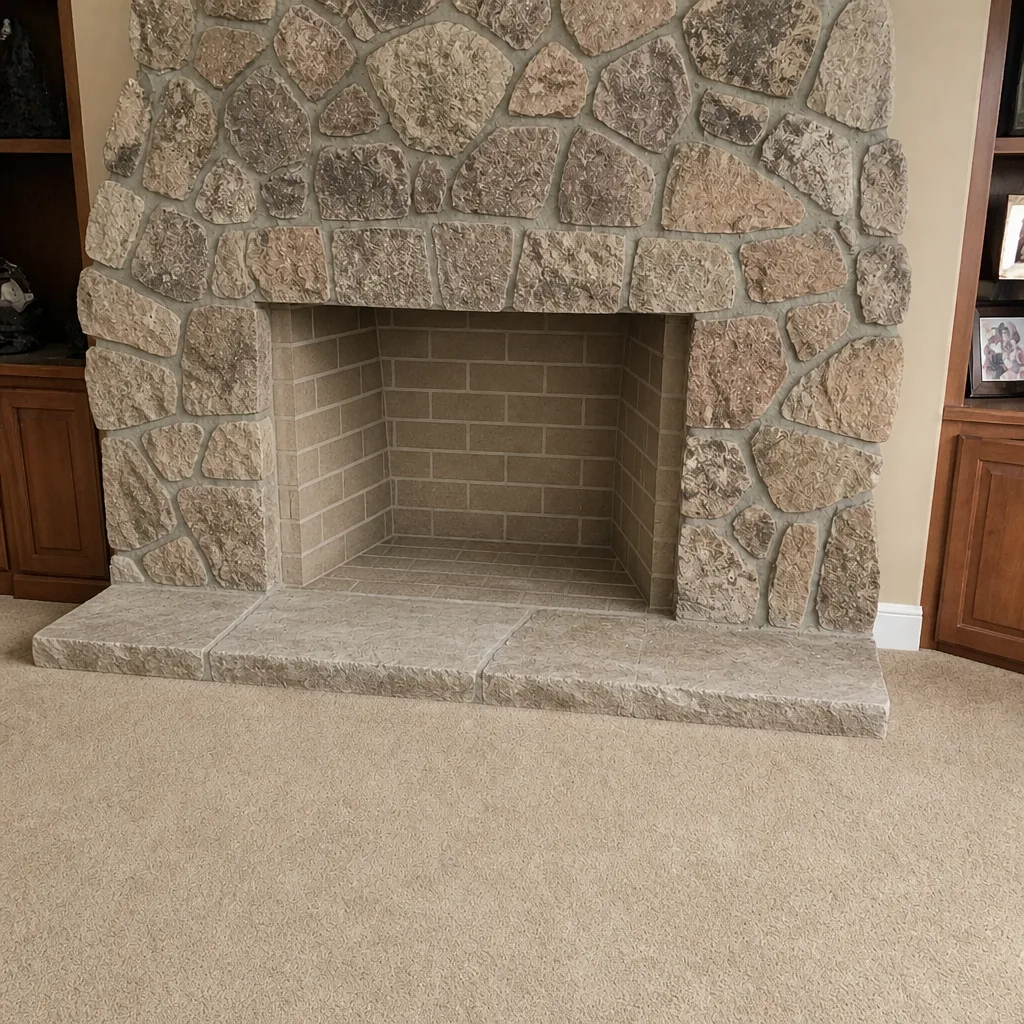
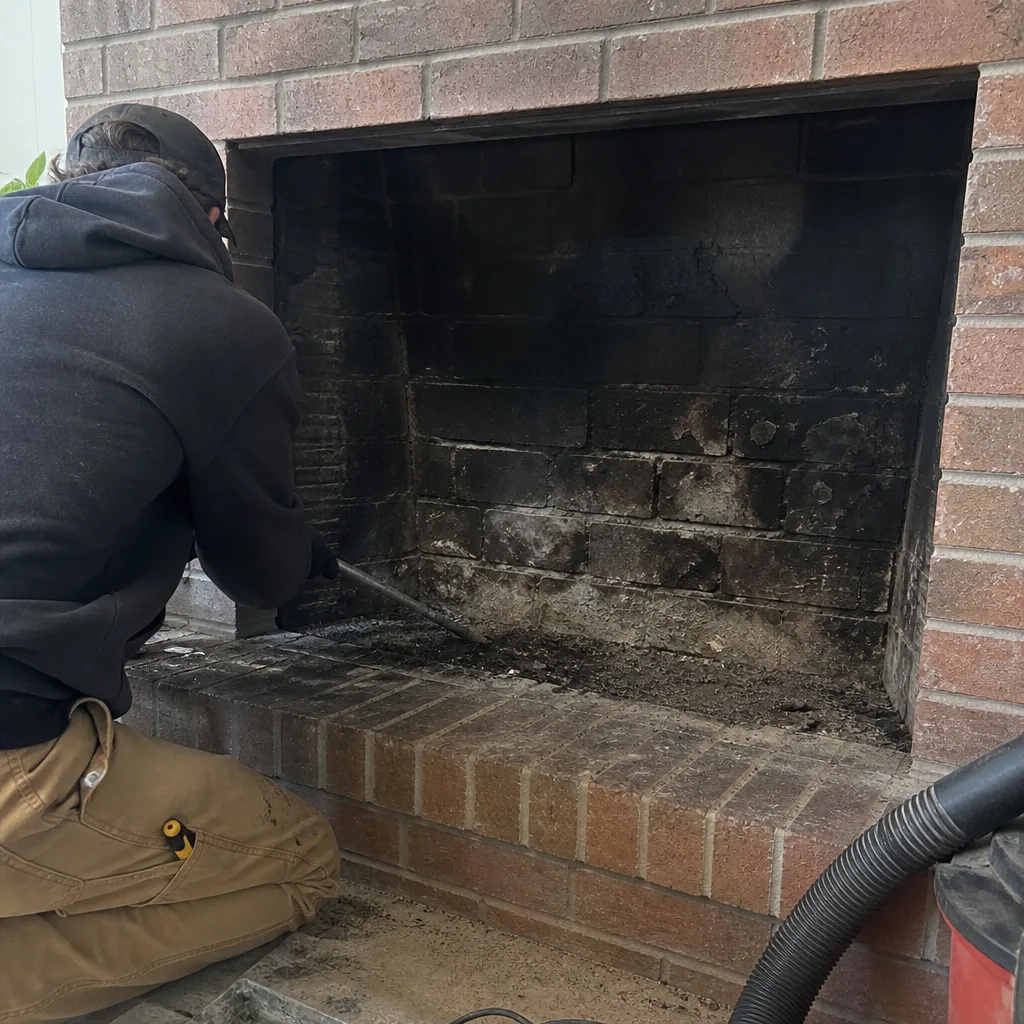
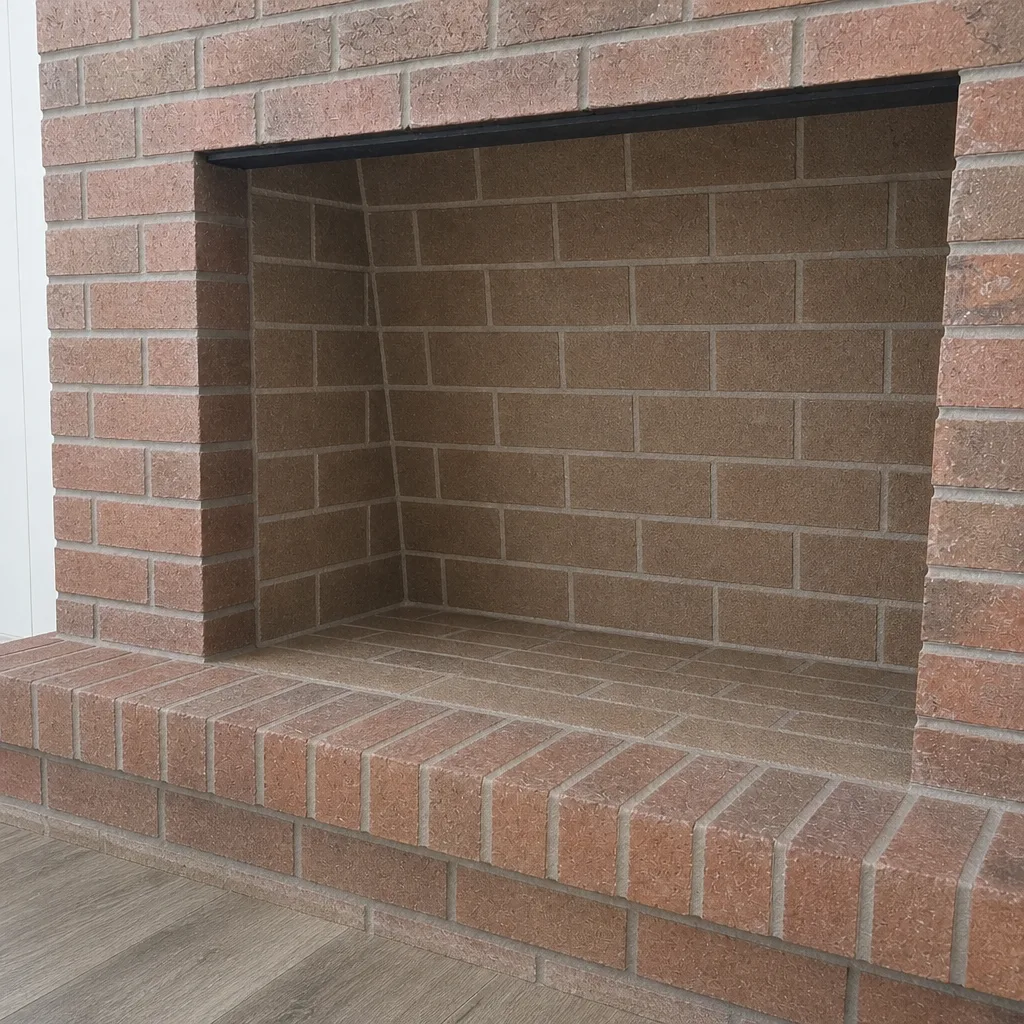
See the difference
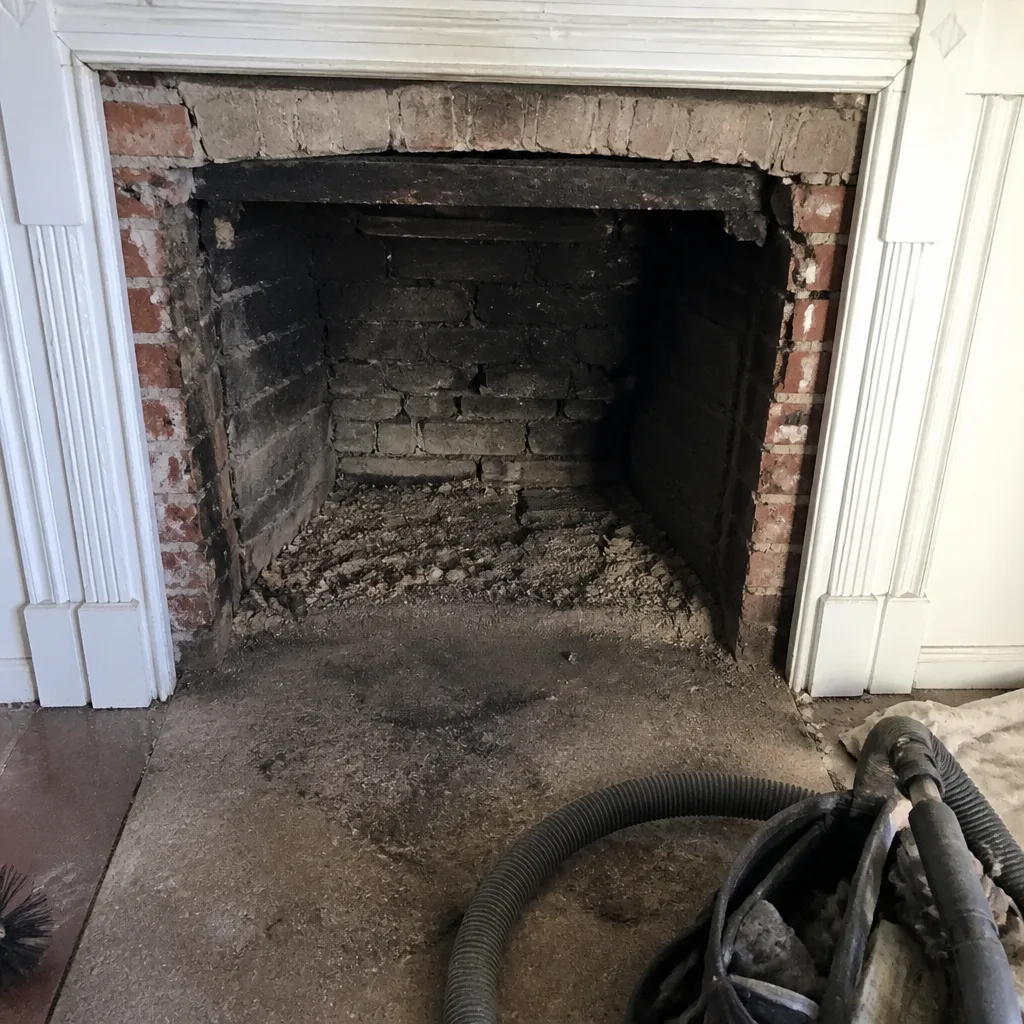 Before
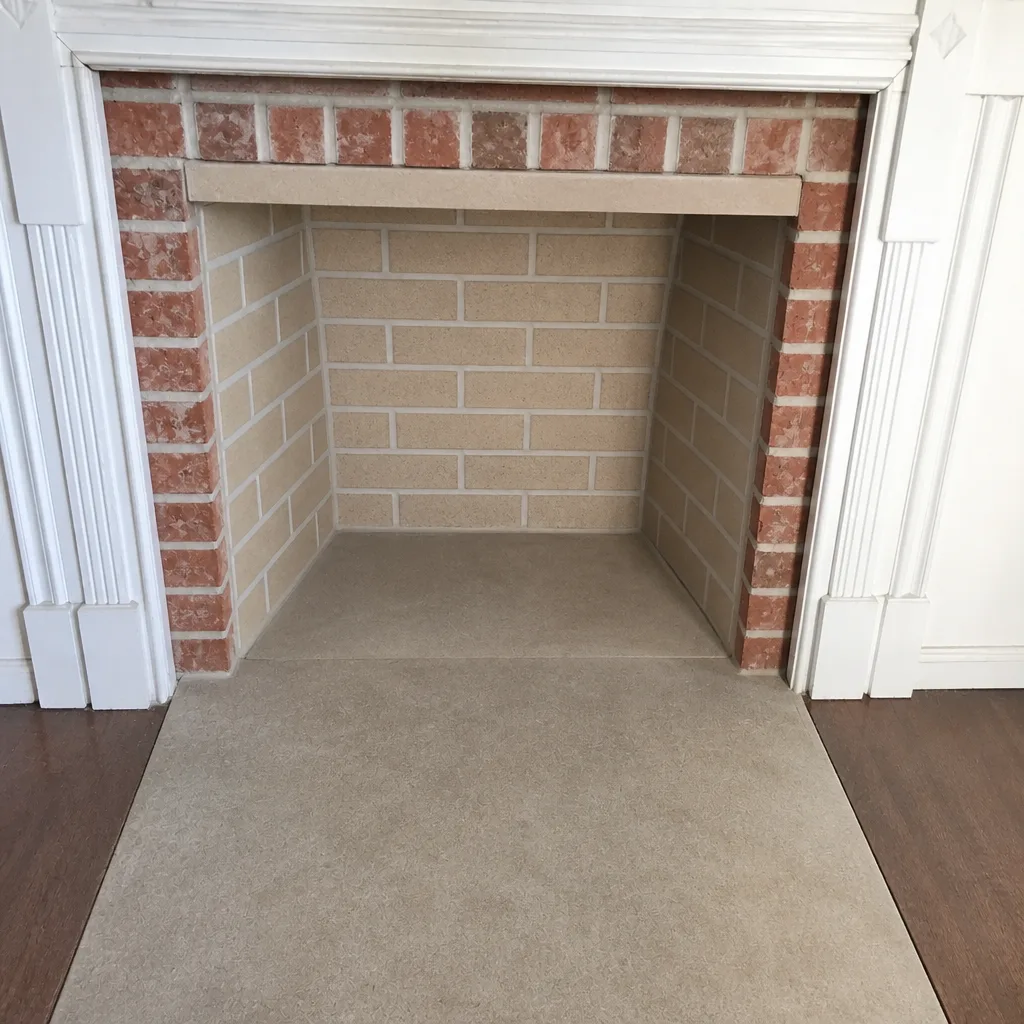 After
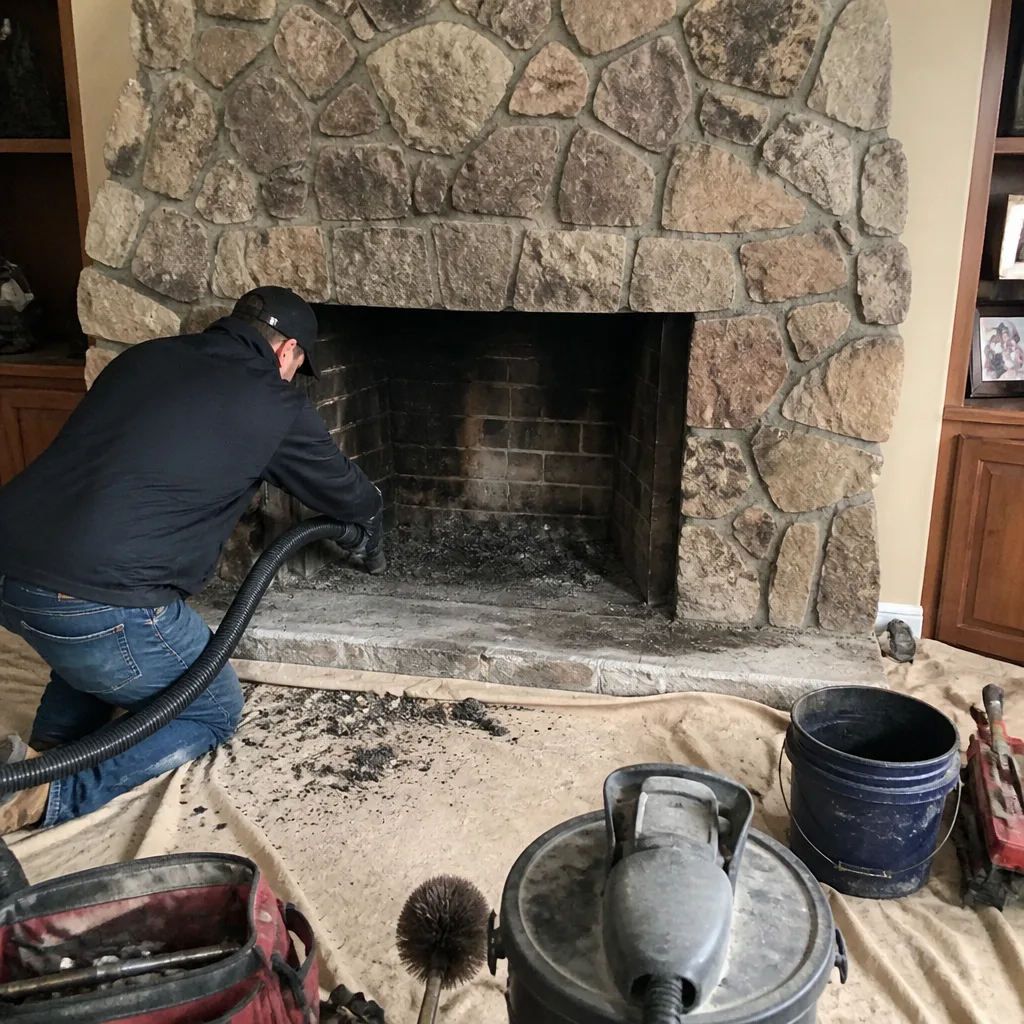 Before
 After
 Before
 After
When to Call a Professional
Call a professional for any of these situations:
- The flue has never been camera-inspected, or the last inspection is more than a couple of seasons old.
- You can see glazed or tar-like deposits, or you don’t know which stage you’re looking at.
- You burn wood regularly and haven’t been swept since the start of last season.
- The fire doesn’t draft well, smoke comes into the room, or the smell is strong when the fireplace isn’t lit.
- You notice cracks, deterioration, or missing pieces on the tile liner or crown visible from the roof.
- The home has a prefabricated fireplace and you’re not certain of the manufacturer’s cleaning requirements.
Chimney Sweep Eagle Mountain offers free estimates in Eagle Mountain and the surrounding area. Call (844) 948-2069. We answer 24/7. Fast dispatch from 7am to 7pm, Sunday through Friday.
Frequently Asked Questions
Yes, if your chimney is a straight masonry flue with a light stage-one soot deposit, you own professional-grade brushes and rods, and a professional has inspected the flue within the last year or two confirming the liner is intact. If any of those conditions isn’t met, professional cleaning is the safer call. Call (844) 948-2069 for a free estimate on a professional sweep and inspection.
Once a year for a regularly used wood-burning fireplace, and more often if you burn a lot of unseasoned wood or run a high-efficiency stove dampered down. Utah’s cold winters mean the flue is used heavily, and cool flue gases drive creosote formation faster than warmer climates. Call (844) 948-2069 to book the annual sweep before the burning season starts.
A sweep removes creosote and soot from the flue. An inspection evaluates the condition of the entire system: the liner, the clearances to combustibles, the crown, and the cap. They are not the same service, and a proper annual visit combines both. Call (844) 948-2069 for a sweep and inspection done together.
You can, but that’s the part where things get missed. The cleaning removes deposits. The inspection catches a hairline tile crack, a clearance issue behind the chimney, or a failing crown that a flashlight can’t see. If you’re doing the cleaning yourself, keep the professional inspection on the annual calendar separately. Call (844) 948-2069 to schedule just the inspection.
Not in the same way a wood fireplace does, but a gas fireplace needs periodic attention to the burners, vent passages, and termination to keep it running safely. That’s a fireplace repair call, not a sweep. Call (844) 948-2069 if your gas fireplace is showing uneven flame, delayed ignition, or pilot problems.
Stop and book a professional inspection before lighting another fire. A hairline crack in the tile liner is a fire pathway if it goes unaddressed, and the right repair depends on the crack length, the location, and the flue configuration. HeatShield liner restoration handles many cracked or deteriorating liners without full replacement, but the only way to know if that applies to your flue is a proper inspection. Call (844) 948-2069.
The Bottom Line
DIY chimney cleaning isn’t inherently dangerous. It’s a real option under a narrow set of conditions: straight masonry flue, stage-one creosote, professional-grade tools, and a recent professional inspection confirming the liner is intact. Take any of those away and the equation flips. The cleaning isn’t the hard part; the inspection is. What a homeowner can’t see from the firebox floor is the crack three sections up, the clearance issue behind the masonry, the crown that’s already failing. For most Eagle Mountain homes, the right answer is an annual professional sweep and inspection that keeps the full system – from the firebox to the crown – in view. If you’re ready to book that visit for this season, Chimney Sweep Eagle Mountain offers free estimates. Call (844) 948-2069. We answer 24/7. Fast dispatch from 7am to 7pm, Sunday through Friday.
Written by the team at Chimney Sweep Eagle Mountain.