
Last updated November 24, 2026
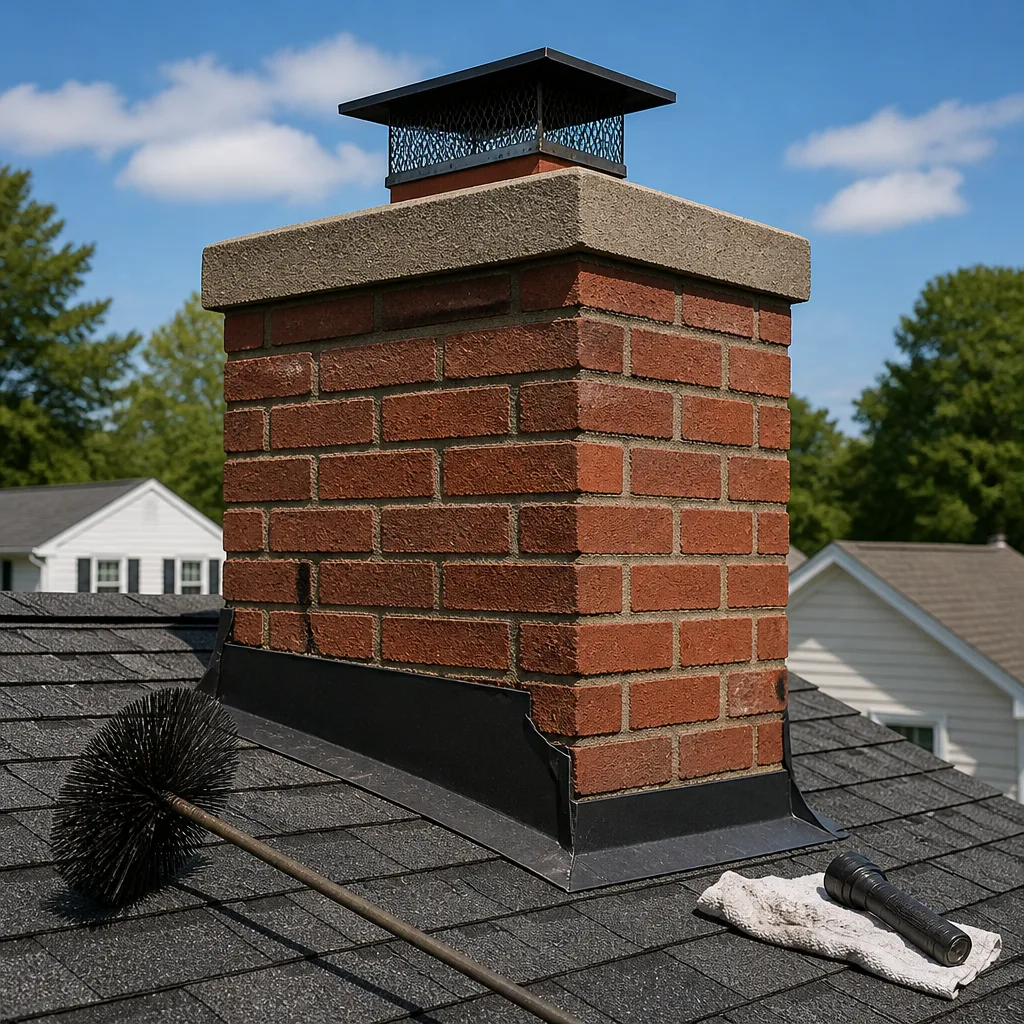 Sweep & inspection
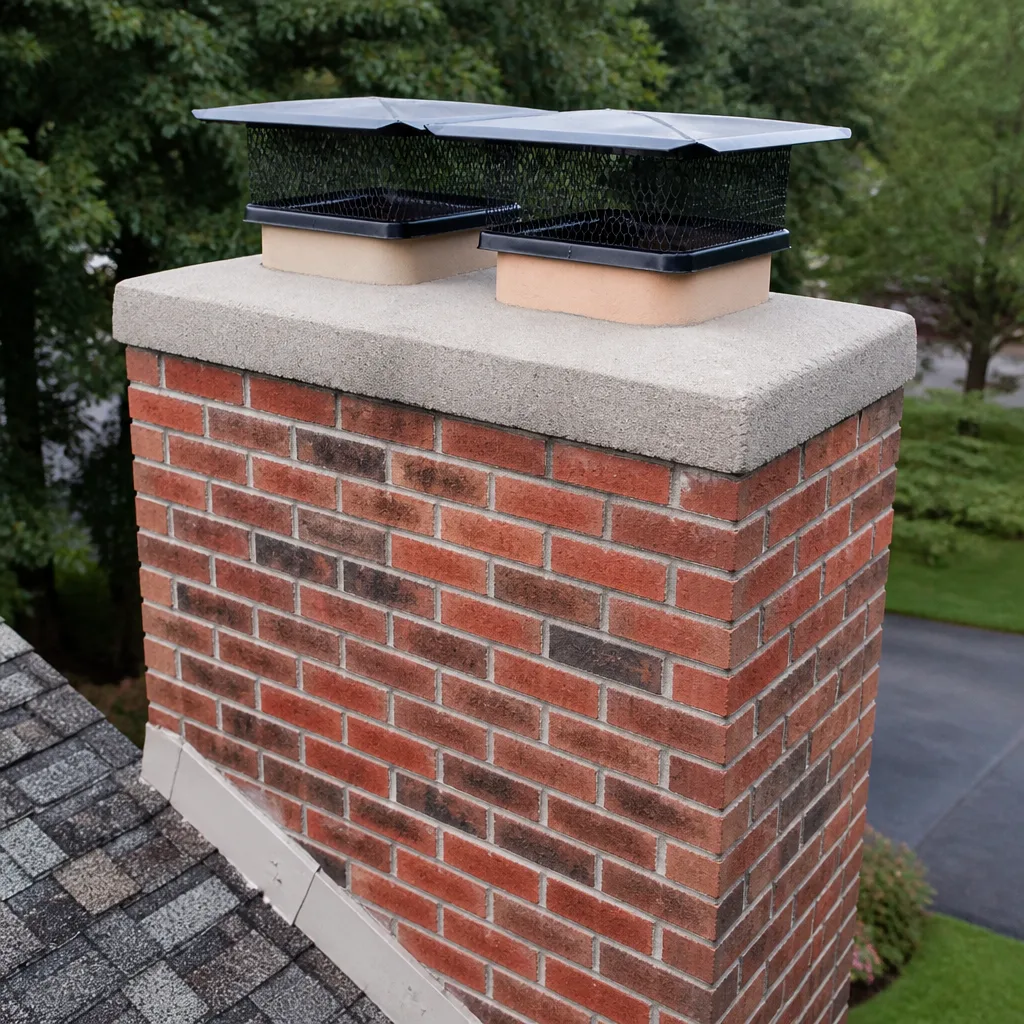 Caps & crowns
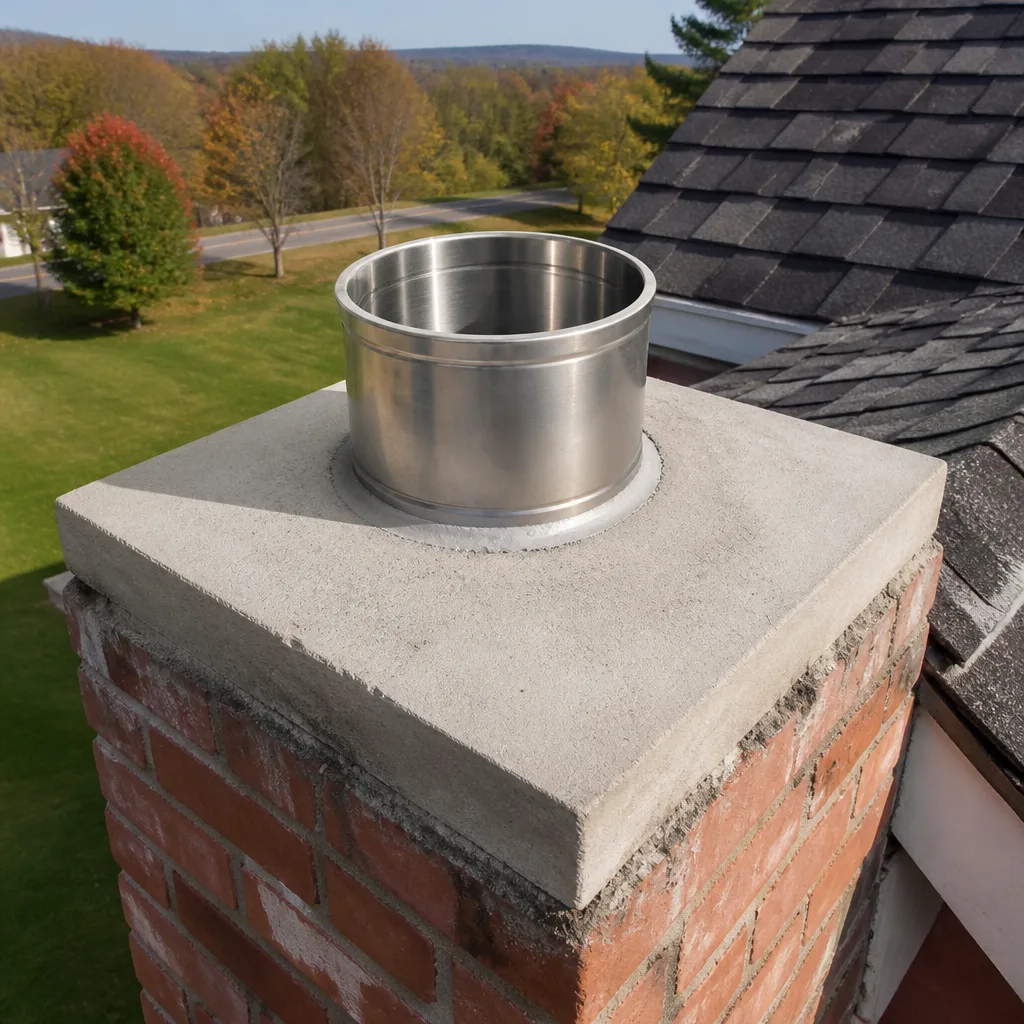 Flue relining
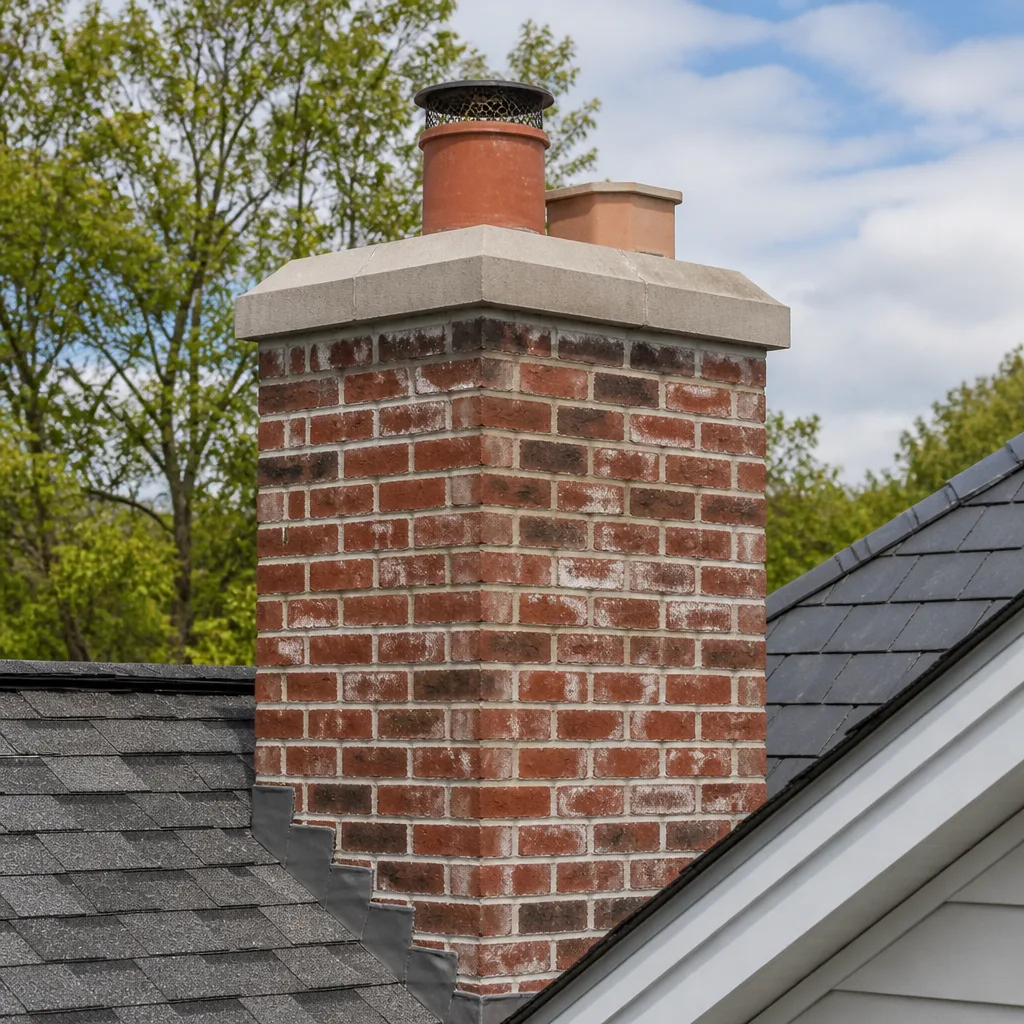 Masonry repair
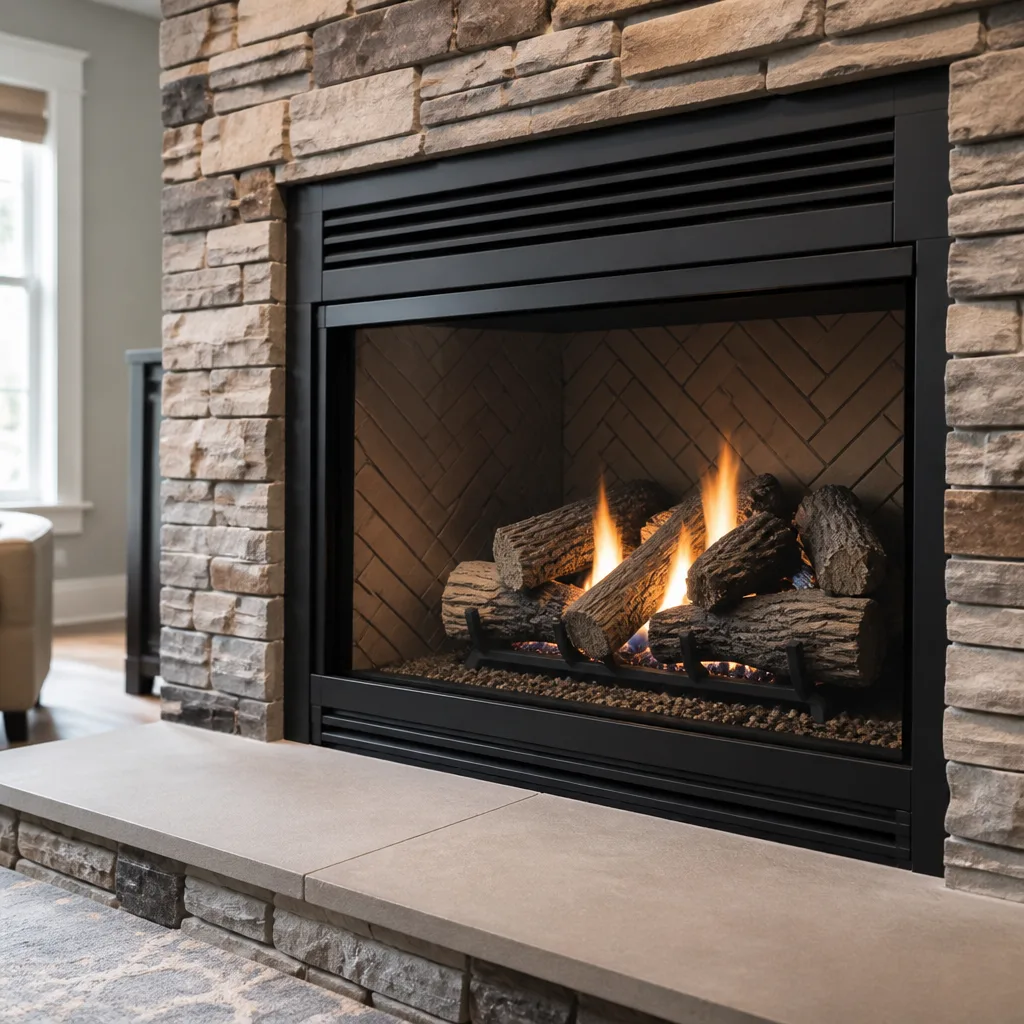 Gas fireplace service
Level 1 sweep and inspection to the NFPA 211 annual standard - flue, crown, cap, and flashing checked and photographed
Chimney sweep logs do not sweep chimneys. They loosen some creosote - which then falls where a brush and vacuum still have to collect it.
How to Hire a Chimney Cleaning Contractor in Eagle Mountain: A Step-by-Step Guide
There is no Utah state license required to clean chimneys. That means the cheapest quote you find online and the most qualified crew in Eagle Mountain have exactly the same legal standing to show up at your door. This is the plain truth of the trade, and it’s why hiring here takes more care than hiring an electrician or a plumber whose license you can look up in seconds. This guide walks you through what actually separates a qualified chimney technician from someone with a brush and a van: what certification really tests, the insurance questions nobody thinks to ask until the roof leaks, and how to read a proposal so you’re comparing scope instead of just a number. By the end you’ll have the exact questions to ask and a clear picture of what a good answer sounds like.
Quick Answer
To hire a chimney cleaning contractor in Eagle Mountain, verify certification and insurance first, then compare written scope rather than price. Ask for the technician’s certification body, three specific insurance questions, and a written inspection report before any work is recommended. A contractor who handles sweep, inspection, and repair in-house gives you a cleaner chain of accountability than one who subcontracts the restoration side.
Styles & brands we work with
- Sweep & inspection
- Caps & crowns
- Flue relining
- Masonry repair
- Gas fireplace service
Table of Contents
- Why Hiring a Chimney Contractor in Eagle Mountain Is Harder Than It Looks
- What CSIA Certification Actually Tests
- The Three Insurance Questions Most Homeowners Never Ask
- How to Compare Quotes When Scope, Not Price, Is What Varies
- Reading a Proposal: Red Flags and Green Lights
- Why In-House Repair Beats Subcontracted Restoration
- A Step-by-Step Hiring Process
- Common Mistakes to Avoid
Why Hiring a Chimney Contractor in Eagle Mountain Is Harder Than It Looks
Most home services in Utah are gated by licensing. You can’t wire a house or run a gas line without a state credential that a homeowner can verify in an afternoon. Chimney sweeping sits outside that structure. The barrier to entry is essentially zero, which means the market in Eagle Mountain carries both trained technicians and untrained operators, and from the outside they can look identical on a website.
Eagle Mountain compounds the problem in a specific way. This is a fast-growing city of newer subdivisions where a lot of homes have factory-built fireplaces and modern flue systems rather than the masonry chimneys you find in older Utah towns. That matters because factory-built systems have their own clearance and draft standards, and a technician trained on old masonry work may not know them well. You want someone who reads the appliance data plate, understands what the manufacturer specifies for clearances, and can tell you whether the flue was installed to spec in the first place.
Here’s the practical upshot: you can’t evaluate a chimney contractor by their truck, their website, or their price. You evaluate them by the questions they can answer and the documentation they produce. That’s what the rest of this guide is about. If you want a baseline on what a proper chimney sweep involves before you start calling, read that first, then come back with a sharper sense of what to ask.
What CSIA Certification Actually Tests
CSIA certification is the closest thing the chimney trade has to a recognized credential. It’s issued by the Chimney Safety Institute of America, a nonprofit that tests technicians on the full scope of chimney and venting knowledge. It’s not a state license and it doesn’t replace one, but it’s the single most reliable signal you can check before you book.
The test isn’t a weekend brush-handling course. It covers the anatomy of chimney systems, the behavior of creosote at different burn stages, venting principles, clearances for factory-built and masonry chimneys, and how to inspect and document conditions without guessing. It requires continuing education to keep current, which means a certified technician has to stay current on code changes and product standards. That ongoing requirement is part of what separates certification from a one-time badge.
Why it matters more than years of experience alone: a technician can sweep chimneys for a decade without ever learning to read a flue or diagnose a clearance problem. Years of practice mean nothing if the practice is wrong. Certification tests the underlying knowledge, and it’s a floor you can count on. When you call a contractor in Eagle Mountain, ask directly: “Is the technician who will be at my house CSIA certified, and can I verify it?” A qualified contractor answers that without hesitation.
If you want a good comparison, ask about the training behind the brush work as much as the certification itself. Our technicians have up to 9 years of experience, and the ones we connect you with should be able to tell you what certification body they trained under and what their continuing education covers.
The Three Insurance Questions Most Homeowners Never Ask
Insurance is the part of hiring a chimney contractor that people skip until something goes wrong. A brush dropped down a flue, a cracked tile, a liner that gets damaged during a sweep: these are real scenarios, and who pays for them depends entirely on what coverage the contractor carries. Ask these three questions before you book, and get the answers in writing if you can.
- Do you carry general liability insurance, and what does it cover? General liability covers property damage caused during the work. That’s the policy that matters if your roof, siding, or flue gets damaged. It’s not the same as workers’ comp, so ask about both separately.
- Do you carry workers’ compensation insurance? If a technician is injured on your property and the contractor has no workers’ comp, you can be exposed to a liability claim. This is the question almost nobody asks, and it’s the one that quietly protects you.
- Are your technicians employees or subcontractors? Subcontractors often carry their own insurance, which means the contractor’s coverage may not follow them onto your property. Ask who is actually standing on your roof.
A qualified contractor in Eagle Mountain won’t flinch at these questions. A hesitant one is telling you something. Note that you don’t need the policy numbers on this page; you need the contractor to confirm the coverage is active and ask them to produce a certificate of insurance if you want to see it.
How to Compare Quotes When Scope, Not Price, Is What Varies
The reason chimney quotes look impossible to compare is that they’re rarely quoting the same job. One contractor quotes a sweep and an inspection. Another quotes a sweep, inspection, and a liner assessment. A third quotes a sweep and adds a liner replacement before the sweep is even done. If you compare the bottom-line numbers, you’re comparing a tune-up to an engine rebuild.
Compare these line items instead. Ask every contractor to quote the same scope of work up front, then compare what each one actually performs:
- Sweep: Is the flue brushed top-to-bottom, or only accessed from the firebox? Both matter depending on the system.
- Inspection: Is a camera inspection included, and do you receive photos of the flue interior, not just a verbal summary?
- Report: Is a written inspection report provided, and does it match what’s recommended on the invoice?
- Repair capability: Can the contractor handle liner work, crown repair, or cap installation in-house, or does that get subcontracted?
- Brands and materials: Which professional-grade materials does the contractor use for liner and cap work, and can they name them?
The brand question matters more than it sounds. A contractor who works with DuraFlex, HeatShield, Gelco, Olympia Chimney, Famco, or Copperfield has access to commercial-grade parts. A contractor who sources from a big-box store is installing a different product, and the difference shows up in lifespan and fit. When you compare quotes in Eagle Mountain, ask each contractor to name the systems and materials they’d use on your specific chimney.
Reading a Proposal: Red Flags and Green Lights
A chimney proposal is a short document that tells you almost everything about how the contractor works. Read it closely. The red flags cluster around three patterns: vague scope language, missing documentation, and upsells made before the sweep is complete.
Vague scope language is the most common problem. Phrases like “clean and inspect the chimney” sound fine until you realize they don’t say what the inspection includes, how it’s documented, or which components get checked. A solid proposal specifies the sweep method, the inspection scope, whether a camera is used, and what report you’ll receive.
No written inspection report is the second red flag. A qualified contractor documents what they see: the condition of the flue, the crown, the cap, the damper, and any clearance issues. If the proposal doesn’t mention a report, ask whether one is included and what it covers. If the answer is “we’ll tell you what we find,” that’s not documentation.
Upsells before the sweep is complete are the third, and they’re the one that costs homeowners money. A contractor should not recommend a liner or a crown rebuild before the flue has been inspected and photographed. If the recommendation arrives before the inspection report, ask to see the evidence first. Nothing should be recommended without camera documentation you can see for yourself.
A strong proposal is structured, specific, and honest about timing. Note that some repairs can safely wait a season while others can’t, and a good contractor will tell you which category your chimney falls into rather than treating every finding as urgent.
Why In-House Repair Beats Subcontracted Restoration
Here’s a pattern we see often: a sweep-only company inspects your chimney, finds a cracked flue tile, and hands the repair to a separate restoration contractor. The handoff is where accountability breaks down. The sweep says the crack was already there. The restoration crew says the sweep caused it. You’re left holding the invoice for a job nobody clearly owns.
A contractor who handles sweep, inspection, and repair under one roof removes that gap. The same team that sweeps also assesses and corrects what it finds, which means one party is accountable for the whole outcome. In our experience, that’s the single biggest quality-of-service difference between contractors in the Eagle Mountain area, and it’s worth asking about directly.
The service lines that matter here are typically: chimney sweep, fireplace repair, chimney repair, inspection, and cap and crown work. A contractor who covers all five can diagnose and correct the system from the firebox to the crown without handing you off to a second company. If your research turns up a contractor with only a sweep line, the diagnostic value drops because they can identify a problem but can’t fix it.
A Step-by-Step Hiring Process
Here’s the sequence we recommend. It takes a couple of calls, and it saves you from a more expensive mistake later.
- Book the sweep and inspection together. Ask for a written estimate for both, and confirm whether a camera inspection and photo report are included.
- Verify certification and insurance before the appointment. Ask for the technician’s certification body and a certificate of insurance. Get both answers in writing.
- Ask what the sweep covers. Clarify whether the flue is brushed from the top and the firebox, and whether the damper and firebox get inspected.
- Review the inspection report before accepting any repair. Look for photos of the flue interior, the crown condition, and any clearance issues. Ask the contractor to walk you through each finding.
- Separate repairs that can wait from repairs that can’t. Ask directly: “If I do nothing this season, what’s the risk?” A contractor who tells you a repair can wait is telling you the truth.
- Confirm the repair is done in-house. Ask who performs liner, crown, or cap work and whether they use professional-grade materials like DuraFlex, HeatShield, or Gelco.
- Get the written estimate before any work begins. The price is set per job by the written estimate, and you should agree to it before the first tool comes out.
If you’re looking for a starting point, the full-service Chimney Sweep Eagle Mountain covers the whole sequence above, and reading through the scope of work there will help you form better questions for every contractor you call.
Common Mistakes to Avoid
- Comparing only the bottom-line price. Two quotes that differ by a hundred dollars may not cover the same scope. Ask for a line-item breakdown before you compare anything.
- Booking a sweep without asking about the inspection. A sweep with no inspection is a cleaning, not a diagnosis. You want both, and you want the report in hand.
- Accepting a liner recommendation before the flue is photographed. In Eagle Mountain’s newer housing stock, factory-built flues can fail clearance or draft standards, but you need to see the evidence before you approve a repair.
- Assuming certification is the same as licensing. Utah doesn’t license chimney sweeps, so the credential you check has to come from the trade, not the state. CSIA is the one to ask about.
- Skipping the insurance questions. Confirm general liability and workers’ comp separately before the technician arrives.
- Hiring a sweep-only contractor for a repair problem. If your chimney has structural issues, a sweep-only operation will subcontract the fix, and the accountability gap becomes your problem.
- Canceling the next sweep because the last one looked fine. Chimney condition changes with use and with weather. An annual inspection is how you catch a slow problem before it becomes a structural repair.
When to Call a Professional
Some chimney work is routine, and some isn’t. Call a professional if you’ve never had the chimney inspected, if it’s been more than a year since the last chimney sweep, or if your fire has ever produced a strong smell of smoke indoors. Call sooner if you notice creosote buildup, a cracked or missing crown, a damaged cap, a loose damper, or visible staining on the exterior masonry. Gas fireplaces and inserts need inspection too; they vent differently and can fail quietly. Eagle Mountain’s newer homes aren’t exempt from any of this, because factory-built systems have their own inspection points. Chimney Sweep Eagle Mountain offers free estimates in Eagle Mountain: call (844) 948-2069 and we’ll walk you through what a sweep and inspection involves for your system.
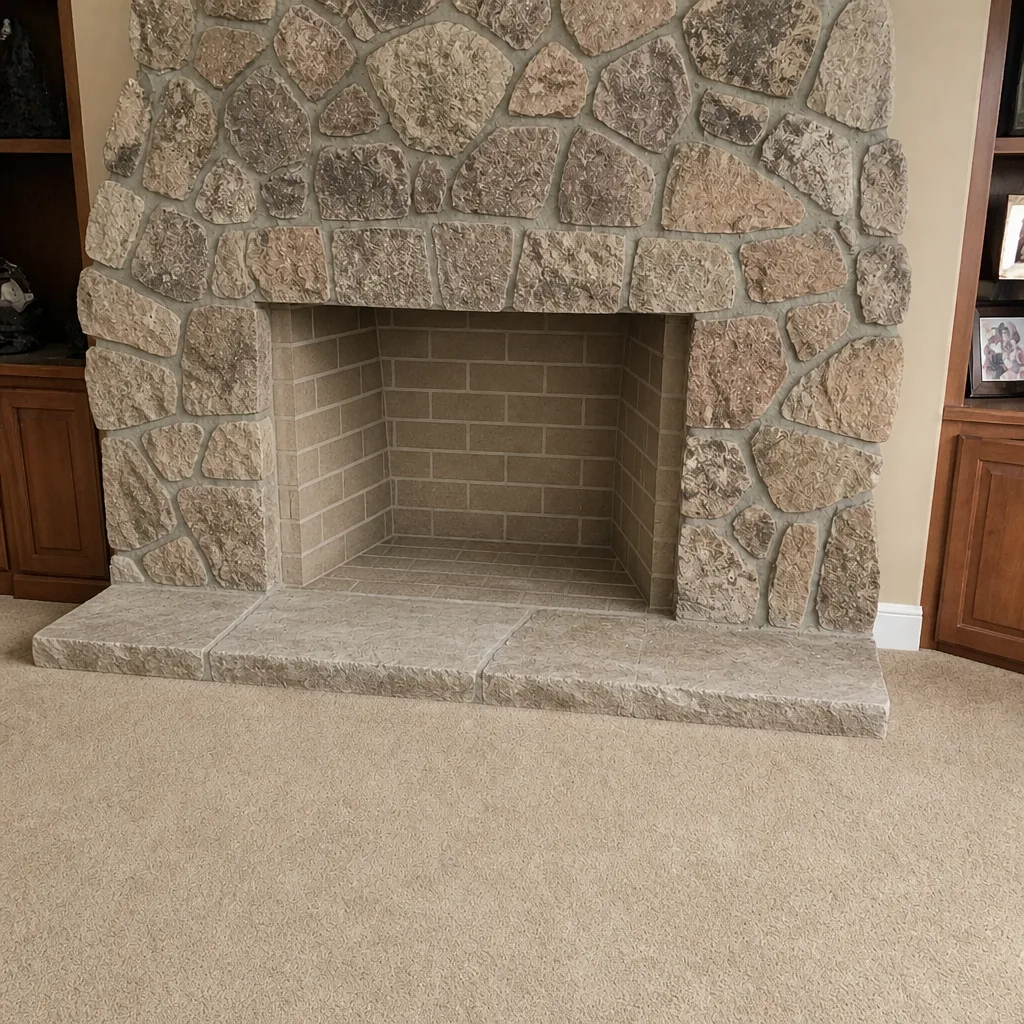
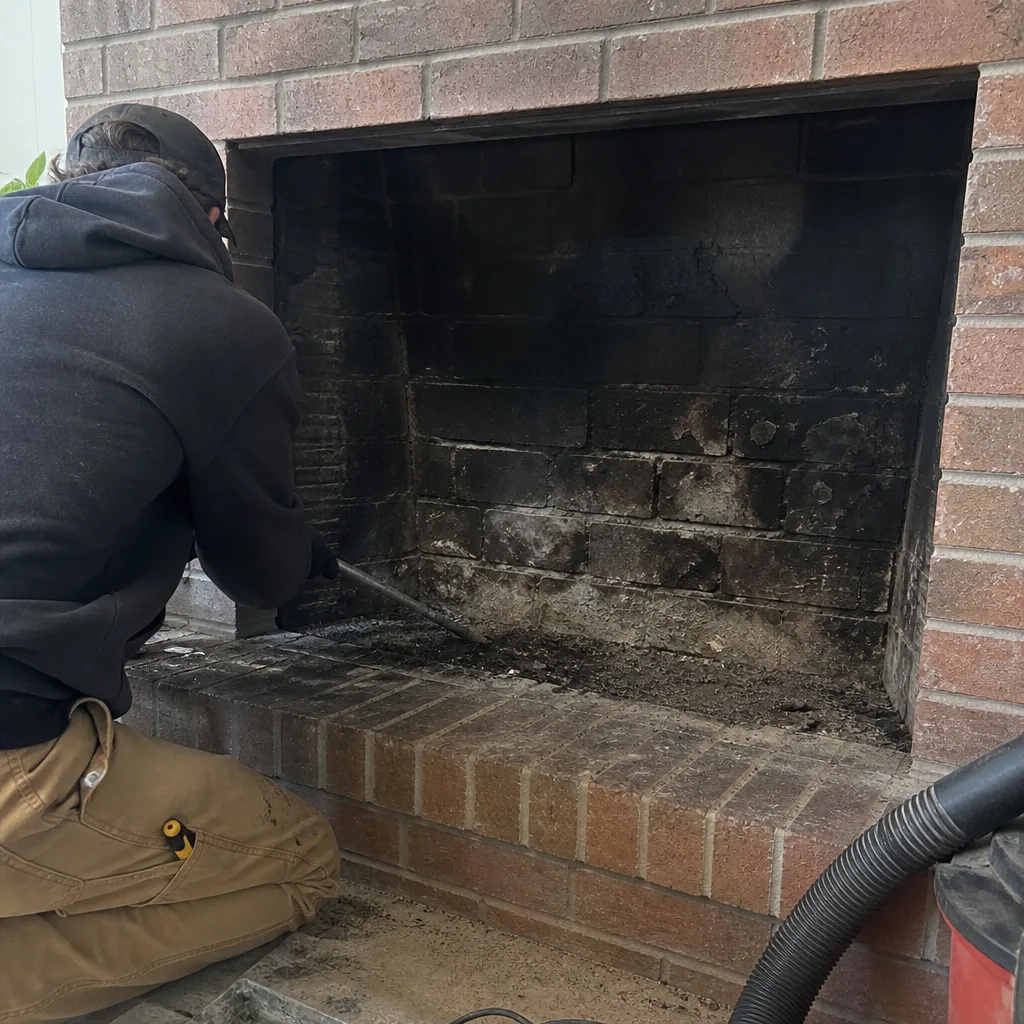
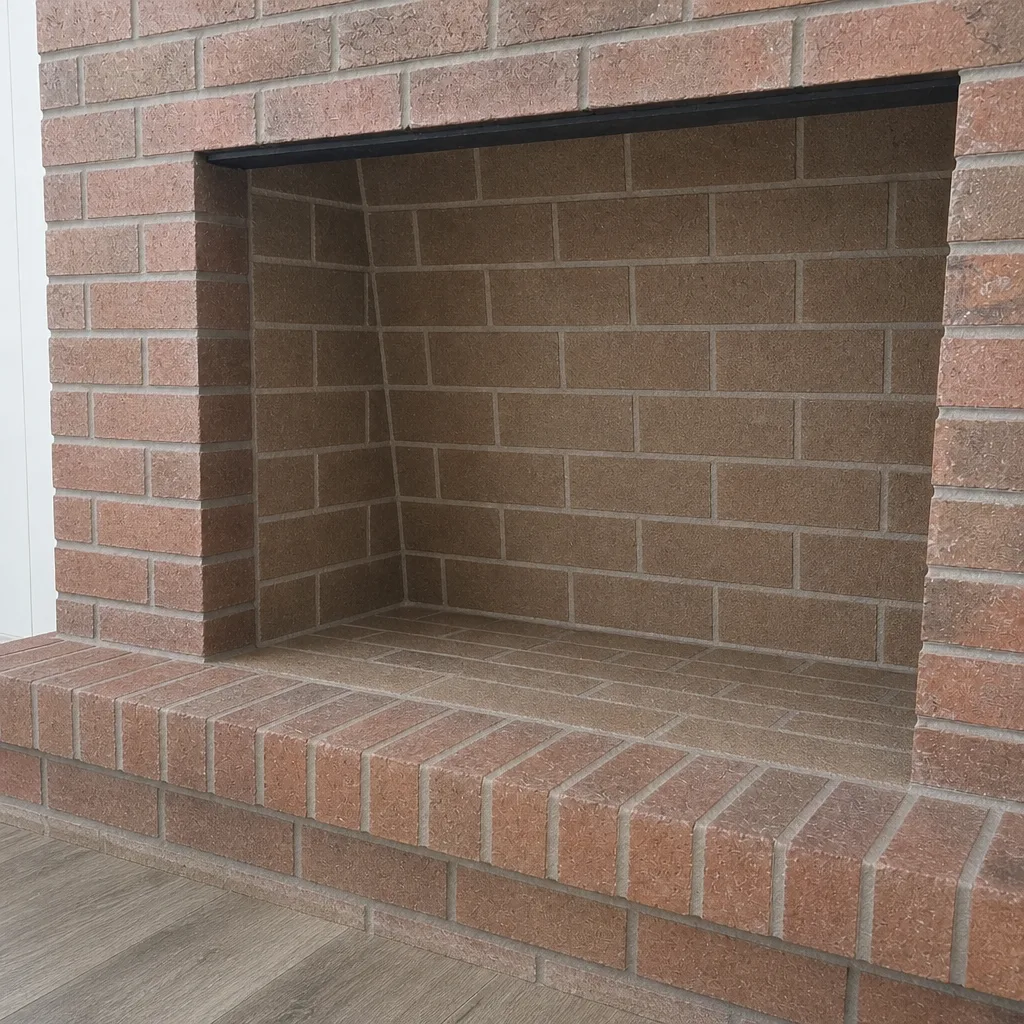
See the difference
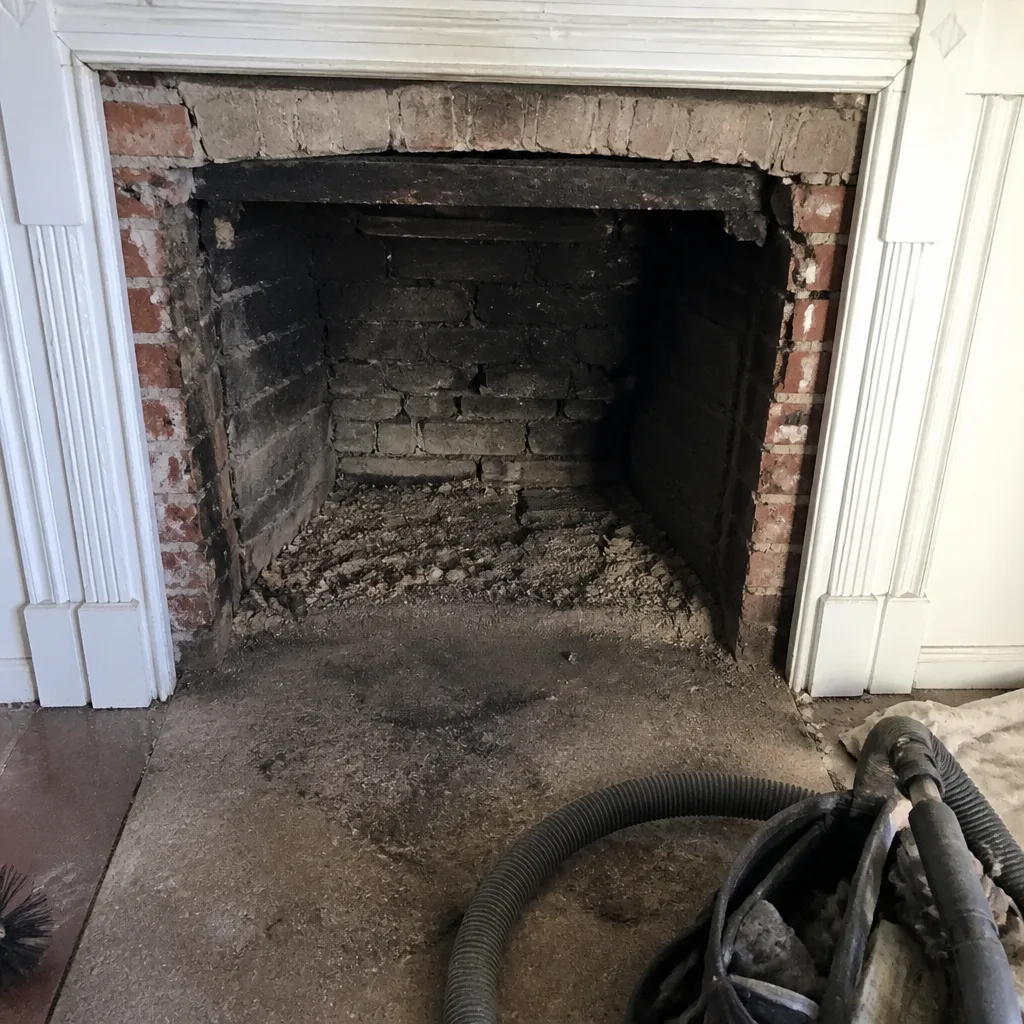 Before
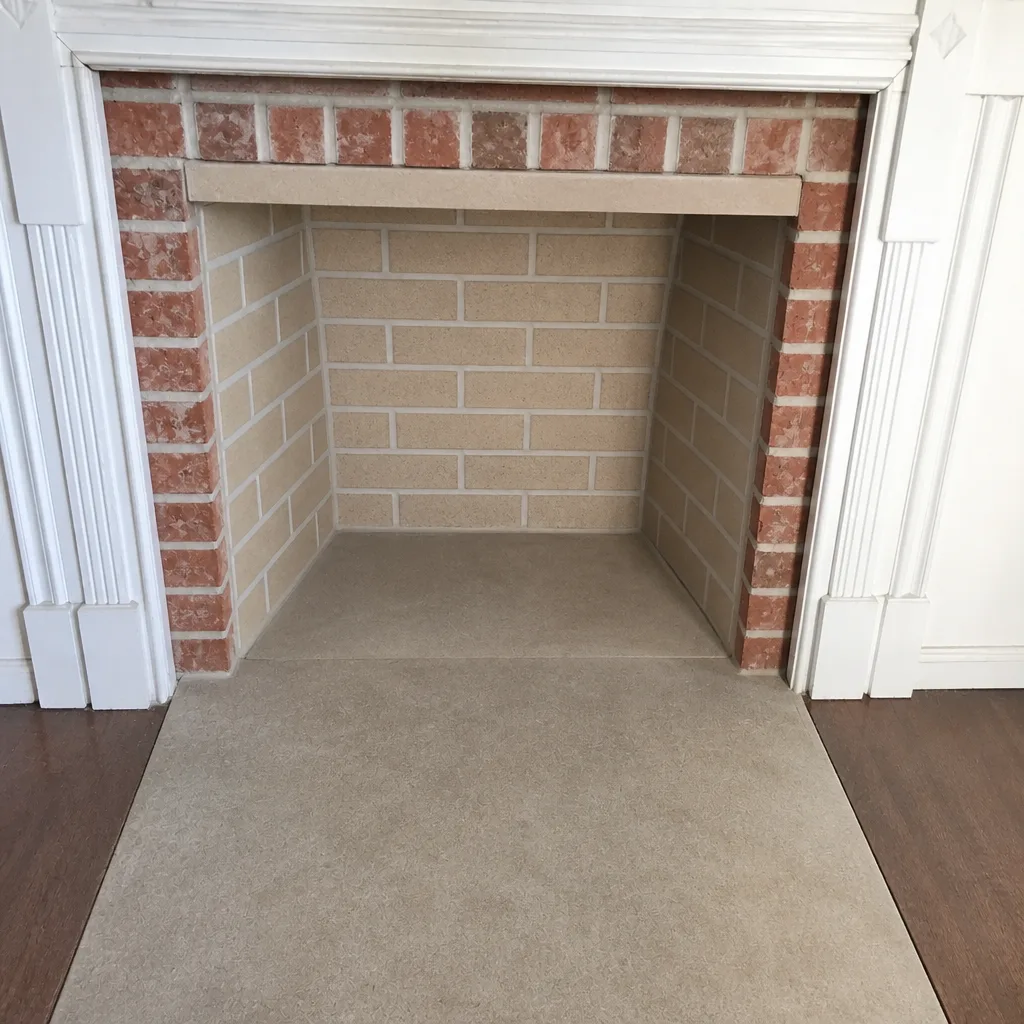 After
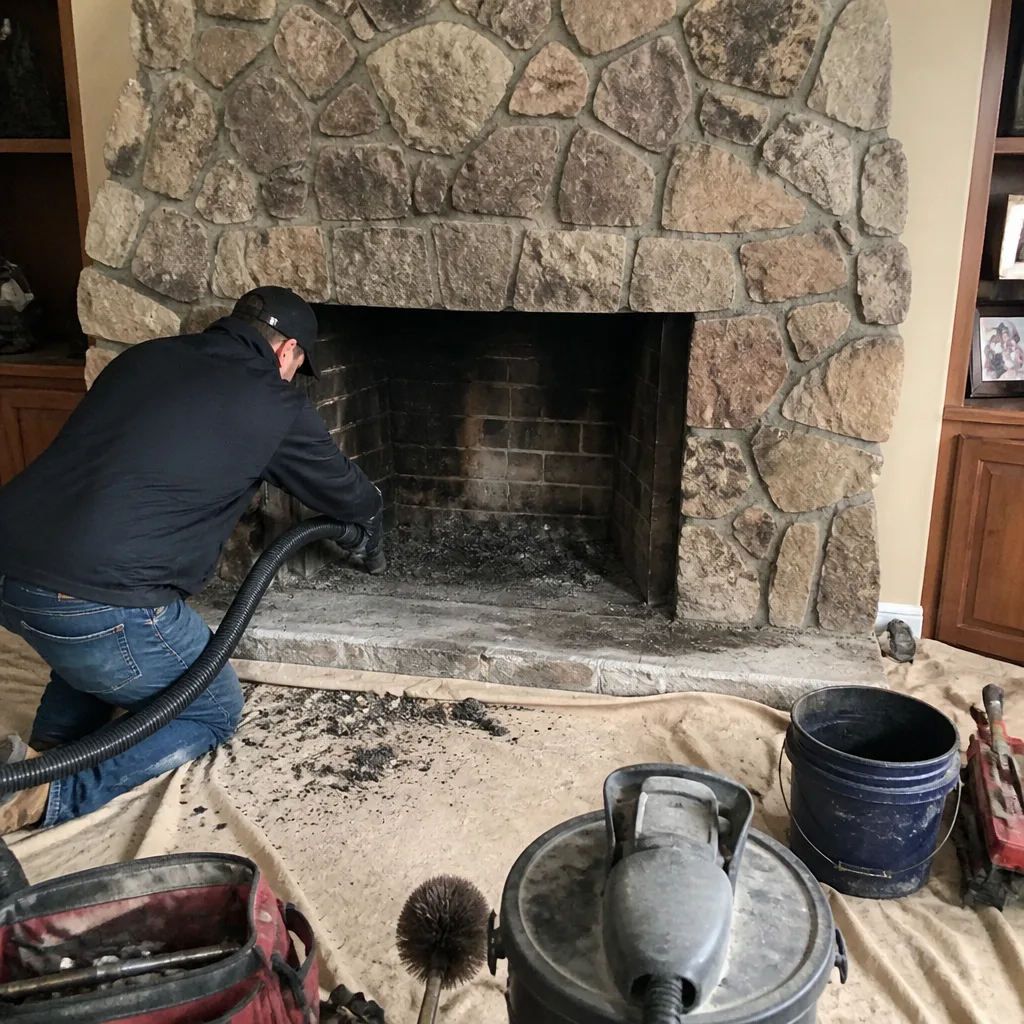 Before
 After
 Before
 After
Frequently Asked Questions
A typical chimney sweep in Eagle Mountain runs in the range of roughly $150 to $300 for a standard flue, with inspection often included or added at a modest cost. The written estimate you receive before the appointment sets the final price, and estimates are free. Call (844) 948-2069 for an exact quote.
No, but you should ask about it. CSIA certification is the trade credential that tests real chimney knowledge, and a certified technician has passed an exam that covers venting, clearance, and inspection standards. It’s the single best signal you can check before you book, since Utah doesn’t issue a chimney license. Call (844) 948-2069 if you want the certification and insurance questions answered directly.
Most wood-burning chimneys should be swept and inspected once a year, or more often if you burn heavily or notice creosote buildup. The annual inspection is the part that catches problems early. Call (844) 948-2069 to schedule a sweep and set up the next inspection.
Skipping the sweep lets creosote accumulate in the flue, and creosote is the fuel that feeds a chimney fire. It also hides slow problems, like a cracked flue tile or a failing crown, that are cheap to fix early and expensive to fix once water and heat have done their work. Call (844) 948-2069 to book a sweep before the next burn season gets underway.
That’s usually a red flag. A liner recommendation should follow the inspection, and it should come with camera photos of the flue interior. If a contractor recommends a liner before they’ve swept and documented the flue, ask to see the evidence. A qualified contractor documents first and recommends second. Call (844) 948-2069 if you want a second opinion on a proposal you’ve already received.
It depends on the scope of work, so ask your contractor and check with Eagle Mountain’s building department before a structural repair or liner installation. Routine sweeps and inspections don’t involve a permit, but a full liner replacement or a crown rebuild might. A qualified contractor will tell you which category your job falls into. Call (844) 948-2069 for an assessment.
The Bottom Line
Hiring a chimney contractor in Eagle Mountain comes down to four things: verify certification, confirm insurance, compare scope rather than price, and make sure the person who diagnoses the problem is the person who fixes it. Utah doesn’t license the trade, so the burden of due diligence lands on you, and the questions in this guide are how you carry it. Read the proposal, ask to see the inspection report, and be suspicious of any recommendation that arrives before the evidence does. If you want a contractor who can sweep, inspect, repair, and restore from the firebox to the crown, that’s what the Chimney Sweep Eagle Mountain team does.
Call (844) 948-2069 for a free estimate. We answer 24/7. Fast dispatch from 7am to 7pm, Sunday through Friday.
Written by the team at Chimney Sweep Eagle Mountain.