
Last updated November 24, 2026
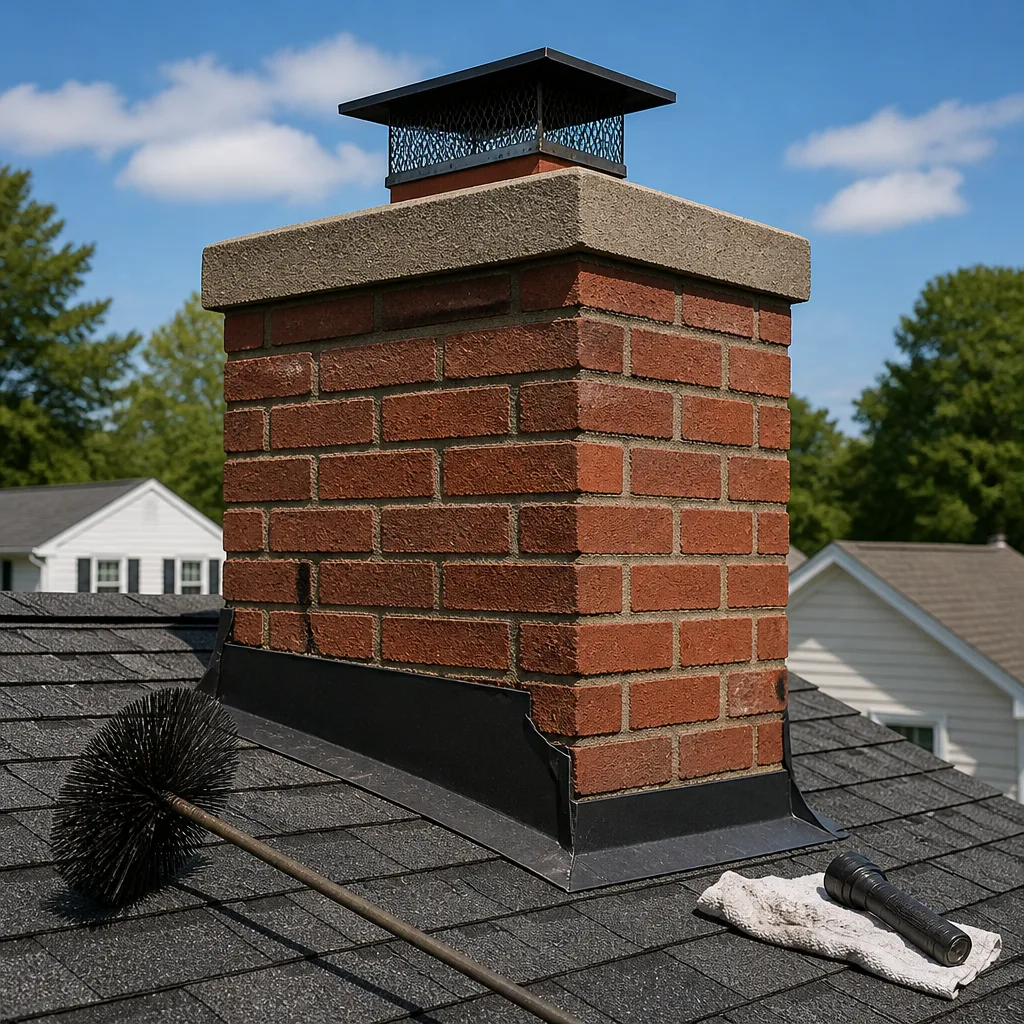 Sweep & inspection
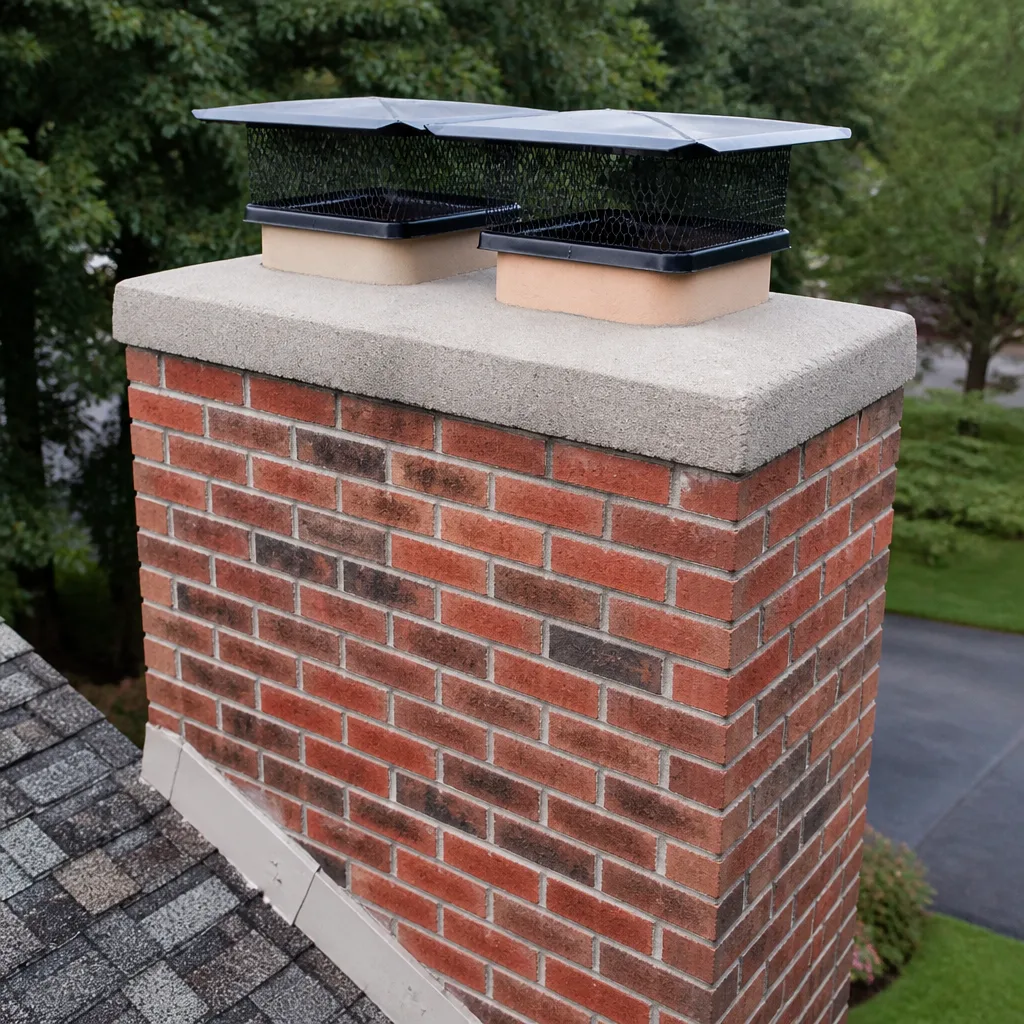 Caps & crowns
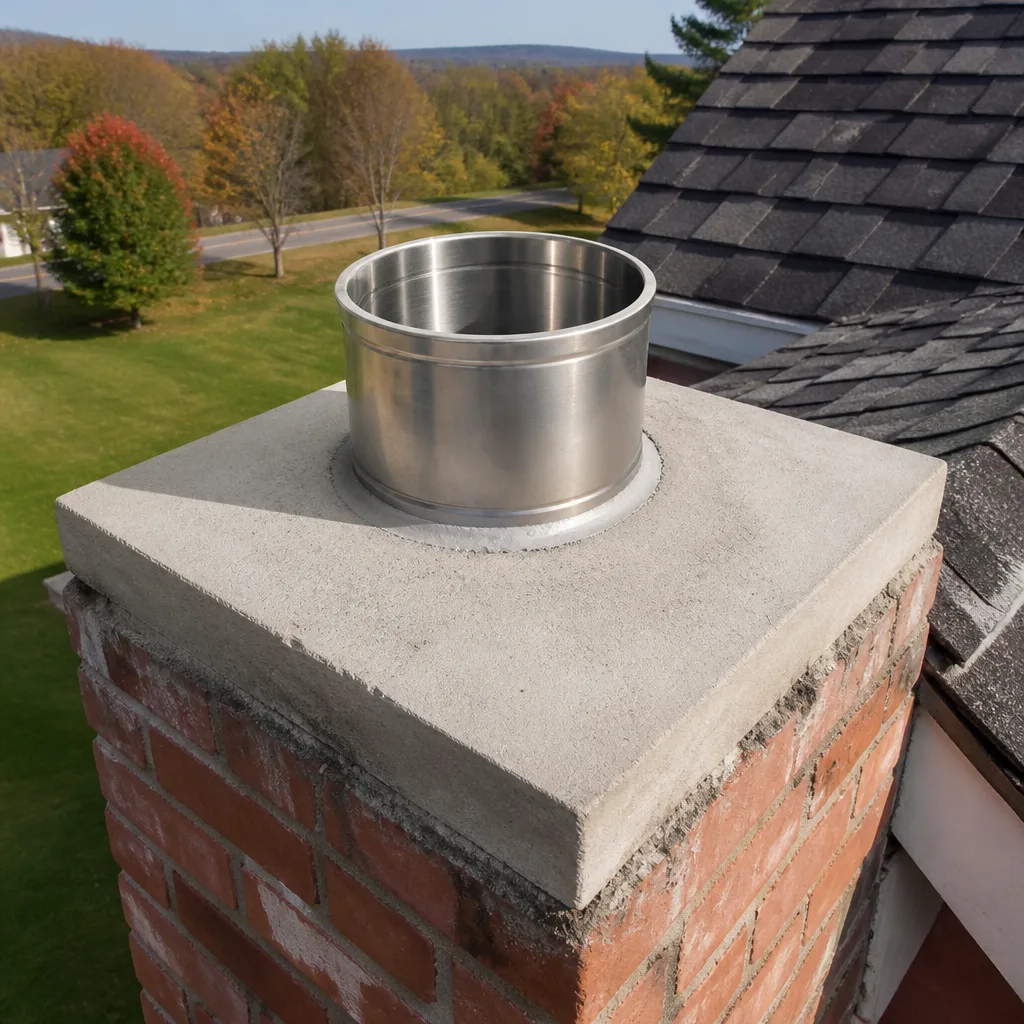 Flue relining
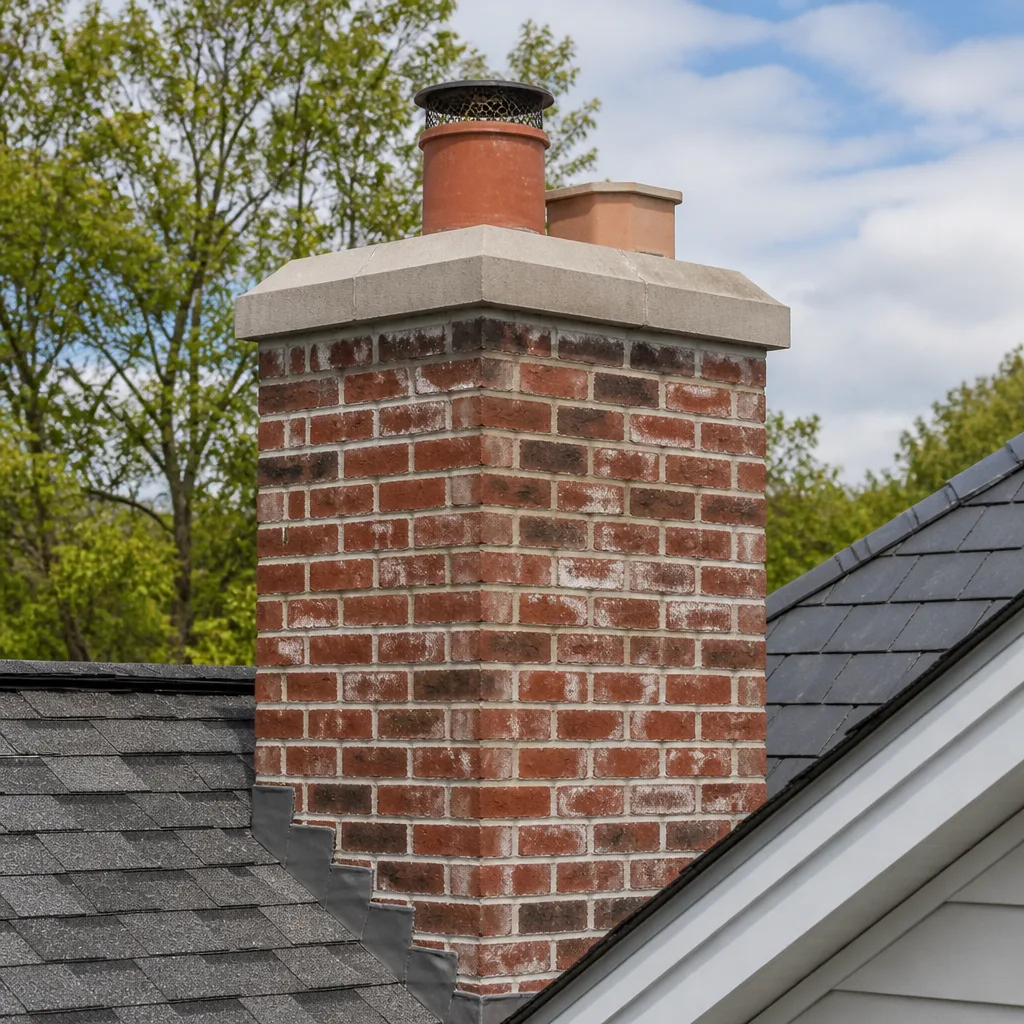 Masonry repair
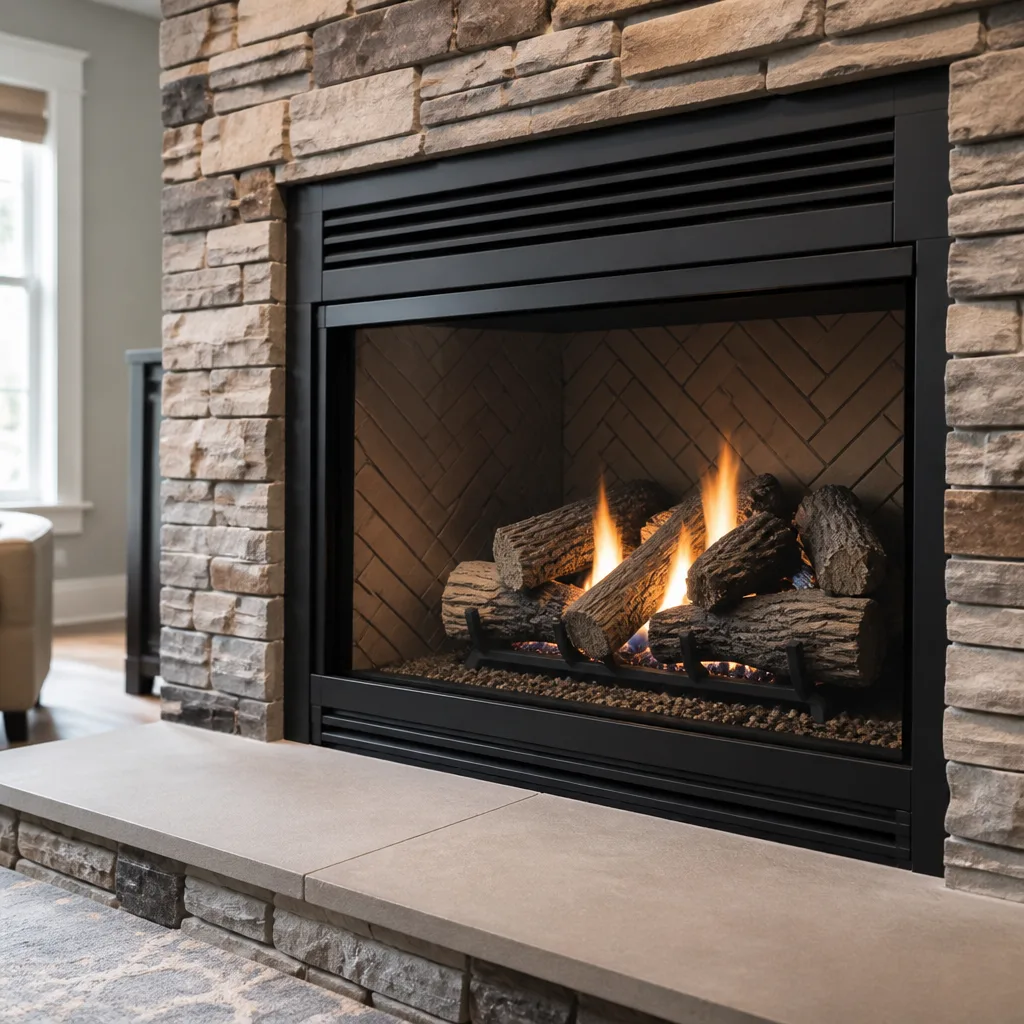 Gas fireplace service
Level 1 sweep and inspection to the NFPA 211 annual standard - flue, crown, cap, and flashing checked and photographed
Chimney sweep logs do not sweep chimneys. They loosen some creosote - which then falls where a brush and vacuum still have to collect it.
Chimney Cleaning Cost Breakdown: The Eagle Mountain Homeowner’s Reference for 2026
The $99 chimney sweep offer is real, and so is the $600 follow-up quote for “necessary repairs” that gets written up after the low-cost crew gets inside your flue. That gap confuses a lot of homeowners, and it’s worth naming plainly: the difference between a bargain sweep and a professional service call usually isn’t markup. It’s scope. One price covers a brush and a shop vac; the other covers a trained eye on your liner, your crown, your clearances and your draft. This guide breaks the line items apart for Eagle Mountain so you can compare quotes on equal terms and know what each price point actually includes, what it leaves out, and which repairs are worth the money when they come up.
Quick Answer
In Eagle Mountain, a basic chimney sweep typically runs $150 to $250, while a sweep bundled with a Level 1 inspection generally lands between $200 and $350. Adding a Level 2 camera inspection (recommended when you’ve changed fuel types, had a chimney fire, or bought the home recently) usually pushes the total to $300 to $500. Full-system service calls involving liner work, crown repair or firebox rebuilding are priced per job after inspection, and the written estimate, not the phone quote, sets the final number.
Styles & brands we work with
- Sweep & inspection
- Caps & crowns
- Flue relining
- Masonry repair
- Gas fireplace service
Table of Contents
- How much does chimney cleaning cost in Eagle Mountain in 2026?
- What does each service level actually include?
- What drives price variation in Eagle Mountain?
- How to read a repair quote after inspection
- What does deferring service actually cost?
- Professional-grade materials vs. builder-grade: why the difference matters
- How to compare two chimney quotes fairly
- Common mistakes to avoid
How much does chimney cleaning cost in Eagle Mountain in 2026?
Chimney cleaning in Eagle Mountain typically costs $150 to $250 for a standard wood-burning fireplace, and $200 to $350 when a Level 1 inspection is bundled in. Gas fireplace service starts a bit lower because there’s no creosote to remove, usually $125 to $200. Those are typical estimated ranges for the local market, not a fixed menu, and the written estimate you receive after the technician sees your system is what sets the final price.
Here’s the line-item breakdown, presented as a table of typical ranges so you can match it against any quote you receive:
- Basic sweep (wood-burning fireplace): $150-$250
- Sweep + Level 1 inspection: $200-$350
- Sweep + Level 2 camera inspection: $300-$500
- Gas fireplace service and inspection: $125-$200
- Wood stove or insert sweep (harder access): $200-$325
- Cap inspection and reseal (minor): $150-$300
- Crown repair (sealing/caulking only): $250-$500
- Crown rebuild (partial or full): $500-$1,200
- Flue liner resurfacing (HeatShield): quoted per job after camera inspection
- Full stainless liner installation (DuraFlex): quoted per job after camera inspection
Two things to notice. First, the jump from a basic sweep to sweep-plus-inspection is modest compared to the jump from inspection to liner or crown work. Second, the expensive line items are all conditional: they only apply if the inspection finds a problem, and a good inspector will show you the camera footage before recommending any of it. If you want to understand the sweep portion of the pricing in depth, we cover that on our chimney sweep page. Call (844) 948-2069 for an exact quote on your system.
What does each service level actually include?
The scope behind each price tier matters more than the number attached to it. A basic sweep and a sweep-plus-inspection can look identical on the invoice, but they cover very different ground. Here’s what to expect from each.
Basic sweep
A brush and vacuum job on the flue, firebox and smoke chamber. It removes soot and creosote up to the point a brush can reach, and it’s appropriate for a fireplace that’s swept regularly and has no known issues. It does not tell you anything about the condition of the liner or the crown.
Sweep plus Level 1 inspection
The sweep plus a visual check of accessible components: the firebox, damper, smoke chamber, visible liner sections, cap and crown. This is the routine annual service most Eagle Mountain homeowners should be booking, especially with wood-burning fireplaces that get real use through the winter heating season.
Sweep plus Level 2 inspection
The sweep, the Level 1 visual, plus a camera run through the flue to look at the liner interior. This is the inspection to book when you’ve moved into a home you didn’t build, when you’ve had a chimney fire (even a small one you put out yourself), when you’ve changed from wood to gas or added an insert, or when a Level 1 raised a question. It’s the only way to see a cracked flue tile before it becomes a carbon-monoxide path into your home.
Full-system service calls
Anything that involves correction, not just assessment: liner resurfacing, liner replacement, crown rebuilds, firebox repair, damper work. These are quoted individually because the scope varies so much. Our chimney repair page covers the typical correction work in more detail, and our fireplace repair page covers the firebox and interior side. The point is that diagnosis and correction sit in one place, so you’re not handed a report and told to find another contractor.
What drives price variation in Eagle Mountain?
Two homes on the same street in Eagle Mountain can get quotes that differ by a hundred dollars or more, and the reasons usually come down to three variables: access, creosote stage, and system configuration.
Access difficulty
A fireplace directly under a straight, unobstructed flue is the easy case. A fireplace with an offset flue, a tight smoke chamber, or a cap that requires a ladder reach over a steep-pitch roof (common in newer Eagle Mountain subdivisions where rooflines vary front to back) takes longer and takes more equipment. Wood stoves and inserts generally cost more to sweep than an open fireplace because the stove has to be handled and the flue path is narrower.
Creosote stage
Creosote builds up in three recognized stages, and the price to remove it climbs with the stage:
- Stage 1: Soot and light flaky deposits. A standard brush sweep handles it.
- Stage 2: Crusty, flaky, or brittle deposits that need stiffer brushing and more time.
- Stage 3: Glazed, hardened creosote that’s fused to the flue wall. This stage is the fire-risk stage, and removing it may require chemical treatment across more than one visit. It’s also the stage that most often triggers a conversation about liner resurfacing or replacement.
Stage 2 and Stage 3 developing in an Eagle Mountain home usually comes down to burning habits: unseasoned wood, cool fires, and long smoldering overnight burns all build creosote faster than a hot, well-ventilated fire does. The local high-desert climate makes dry wood storage a challenge, and wood that isn’t fully seasoned when it goes in the firebox pays you back in buildup.
System configuration
A prefab fireplace with a factory liner is a different job than a masonry chimney, and a chimney with two flues (one serving a fireplace, one serving a furnace or water heater) doubles the inspection work. Gas fireplaces skip the creosote question but add venting and component checks. All of these affect the estimate, and none of them are things a phone quote can anticipate. That’s why we treat the written estimate from the technician as the real price.
How to read a repair quote after inspection
This is where homeowners get the most anxious, and it’s worth saying plainly: a repair quote is only worth what the evidence behind it is worth. Nothing should be recommended without camera footage or a clear visual finding you can see for yourself, and any inspector worth hiring will show you rather than tell you. Here’s how to sort the standard from the upsell.
What’s standard after a Level 2 inspection
- Liner resurfacing (HeatShield): Recommended when the flue liner has cracks, spalling, or gaps at the joints that compromise containment. HeatShield is a resurfacing system applied to the existing liner, and it’s a specialized application rather than a general sweep service.
- Liner replacement (DuraFlex): Recommended when the existing liner is too deteriorated for resurfacing, or when an older flue doesn’t meet modern clearance and draft standards. DuraFlex flexible stainless liners cover the flue path from top to appliance.
- Crown repair or rebuild: Recommended when the crown has cracked and is letting moisture into the chimney structure. Crowns are the top defense against water intrusion, and a cracked crown is one of the most common findings in older Eagle Mountain homes.
- Cap replacement: Recommended when the cap is missing, damaged, or the wrong size for the flue. A proper cap keeps rain, snow and animals out.
What’s upsell versus legitimate
The clearest red flag is a quote for liner or masonry work that arrives with no camera evidence. Ask to see the footage. A legitimate contractor will pull it up on the spot. A second red flag is a recommendation for repairs that “should be done this visit” with no option to think it over, or a quote that bundles multiple unrelated repairs without itemizing them. Real repairs are itemized, photographed, and priced as separate lines.
And a quote that says everything can safely wait is just as legitimate as one that says nothing can. Chimney work has genuine urgency in some cases and none in others. If your crown has a hairline surface crack and your liner is intact, that crown can be sealed next season. If your liner has failed tile with gaps, that’s a real hazard and shouldn’t wait.
One more guideline: legitimate repairs come from a contractor who’ll be there to stand behind the work. If you’re being quoted thousands of dollars in liner or masonry work after a $99 sweep, get a second opinion with camera evidence before you sign anything. Call (844) 948-2069 for a free estimate and a camera-based assessment you can review.
What does deferring service actually cost?
An annual sweep at roughly $250 sits at one end of the cost scale. A full liner replacement or a firebox rebuild sits at the other end, and the gap between them is what deferring maintenance actually purchases. Three seasons of skipped sweeps is enough time for Stage 1 creosote to become Stage 3, for a hairline crown crack to become a saturated chimney structure, and for a small liner flaw to become a real containment failure.
Here’s how the cost curve typically develops when service gets pushed off:
- Season 1 skipped: Creosote builds to Stage 2. Still removable with a standard sweep, but the bushing and brushing take longer.
- Season 2 skipped: Stage 3 glazed creosote begins forming. Chemical treatment may be needed, and the fire risk has climbed.
- Season 3 skipped: The liner has likely absorbed enough heat stress to crack (if masonry) or warp (if prefab). Crown cracks have widened with freeze-thaw cycles. Now you’re looking at liner resurfacing, liner replacement, or crown rebuild instead of a sweep.
Eagle Mountain’s winter freeze-thaw pattern is what compounds this. Moisture gets into a crown crack during a warm afternoon, freezes overnight, expands, and widens the crack. Repeat that across a season and a small surface crack becomes a structural problem. That’s why cap and crown work is genuinely preventive: sealing the top of the system stops the freeze-thaw cycle before it starts. We install Gelco and Famco caps and crowns for exactly this reason, since these product lines are built for weather protection rather than aesthetic cover.
The math isn’t about scare value. It’s just that the cost of correction scales faster than the cost of prevention. A $250 annual sweep is a very different financial decision than a liner job quoted per-system after inspection. The written estimate tells you where you are; the annual visit is what keeps you at the low end of that range.
Professional-grade materials vs. builder-grade: why the difference matters
When a liner quote lands, a chunk of what you’re paying for is the material itself, and this is the least transparent line item in most quotes. Builder-grade stainless liners exist, and they’ve gotten cheaper over the years. They also don’t hold up the way the professional-grade products do, and the difference shows up five to ten years down the road when the liner has to be replaced again.
The professional brands we install are the ones restoration contractors use because they’ve proven out over time:
- DuraFlex flexible stainless liners: rated for the flue configuration and appliance load, with a wall thickness and alloy spec that holds up to wood-burning heat cycles.
- HeatShield resurfacing: a specialized ceramic-based system applied to the existing liner. It’s the middle option between leaving a failing liner alone and pulling the whole thing out.
- Gelco and Famco cap and crown products: engineered for weather protection, not just top-of-chimney sealing.
- Olympia Chimney and Copperfield: supporting components for the full system build.
What that costs in practice is hard to separate from the installation labor, because liner pricing is quoted per job. The honest framing is this: a builder-grade liner that fails in six years costs more in total than a professional-grade liner that lasts decades, even if the upfront number is lower. Ask any liner quote which brand and spec is being installed. If the answer is vague, that’s your signal. The same principle runs through cap and crown work, which is why we use Gelco and Famco products rather than generic hardware-store caps. Our Chimney Sweep Eagle Mountain page covers the full scope of what we handle from the firebox to the crown.
How to compare two chimney quotes fairly
Two quotes with different totals aren’t comparable unless they’re quoting the same scope. Stripping a quote down to its line items is the only way to know if the cheaper one is actually cheaper or just smaller. Use this checklist when you have two estimates side by side:
- Does the price include an inspection, and at what level? A $150 sweep with no inspection isn’t the same service as a $250 sweep with a Level 1.
- Is the inspection camera-based or visual-only? A visual-only inspection can’t see liner cracks. If your liner is the concern, you need Level 2.
- Does the technician bring a photo report? A real inspection produces photos of the firebox, smoke chamber, liner, cap and crown. If the quote comes with no evidence, treat it as a verbal estimate.
- What brand is going on the liner, cap or crown? Get the exact brand and spec written down. “Stainless liner” is not a spec.
- Are repairs itemized separately or bundled? Bundled repairs hide the fact that some might be deferrable. Itemized repairs let you prioritize.
- Is the estimate written, and does it show the final price? Phone-ballpark quotes drift. The written estimate is the price.
Applying that checklist usually takes ten minutes and saves far more than that. And it’s the single best defense against the follow-up quote after a low-cost sweep. If the technician can show you the camera footage and explain what they’re looking at, the repair is probably real. If not, walk.
Common mistakes to avoid
- Booking a sweep without asking the inspection level. In Eagle Mountain, the biggest cause of missed liner problems is a basic sweep with no inspection. If your flue is older or you’ve never had it scoped, ask for Level 2 before the technician arrives.
- Treating the lowest quote as the best quote. A $99 sweep and a $250 sweep aren’t competing on the same service. Bring the line-item checklist above to the comparison.
- Accepting a repair quote without camera evidence. Cracked liner tiles, crown fractures and gap seals should be shown, not just described. Ask to see the footage before you approve anything over a few hundred dollars.
- Burning unseasoned wood in Eagle Mountain’s climate. Wood stored outside in high-desert winter sees a lot of freeze-thaw moisture. If it doesn’t read dry, it isn’t dry, and it will build creosote faster than seasoned wood.
- Deferring the crown. Crown cracks look cosmetic and aren’t. Freeze-thaw cycles widen them each winter, and the water that enters is what causes long-term structural damage. Seal it early.
- Letting a gas fireplace go unserviced. Gas fireplaces have no creosote, but they still have venting and component checks due. Annual gas service catches problems that wood-burning service wouldn’t.
- Using a sweep-only company for full-system work. If the same technician diagnoses and corrects everything from the firebox to the crown, there’s no handoff and no conflicting opinions about what’s “the chimney guy’s problem” versus “the mason’s.”
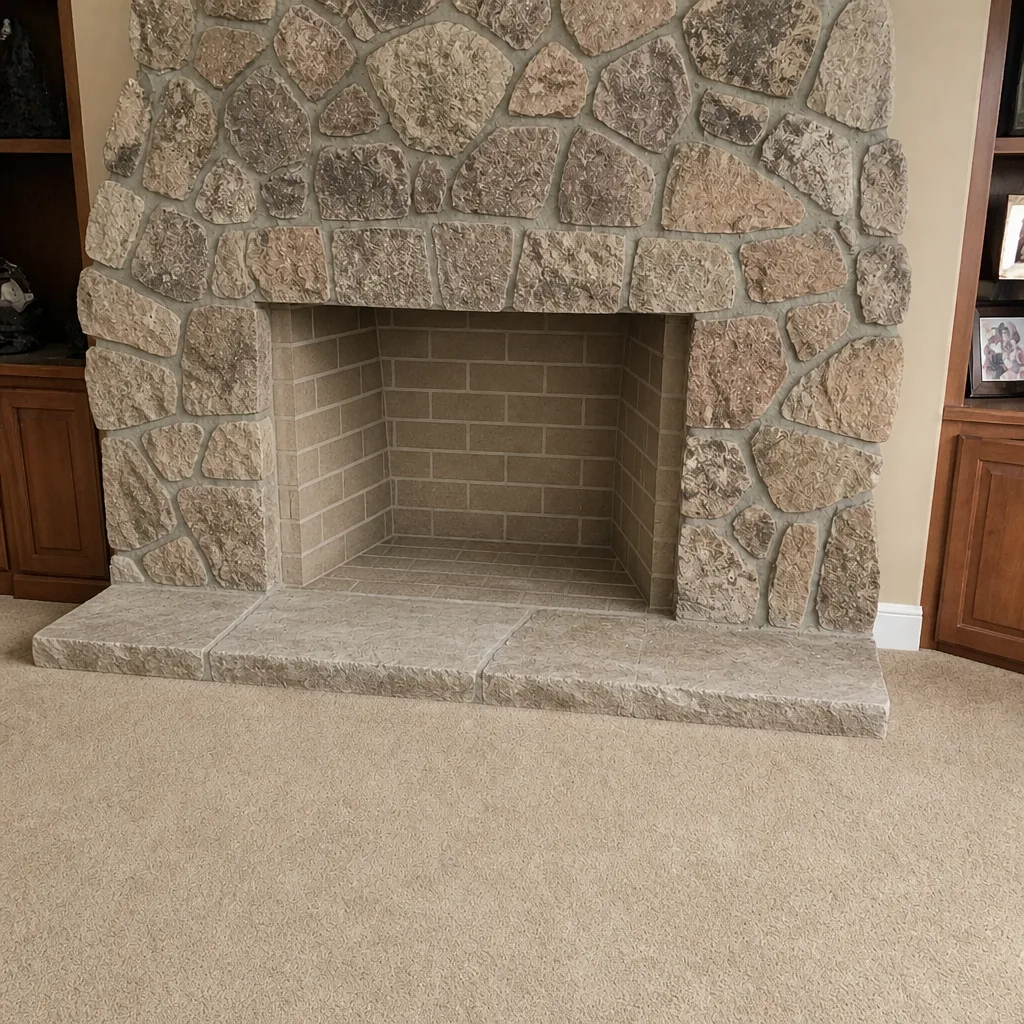
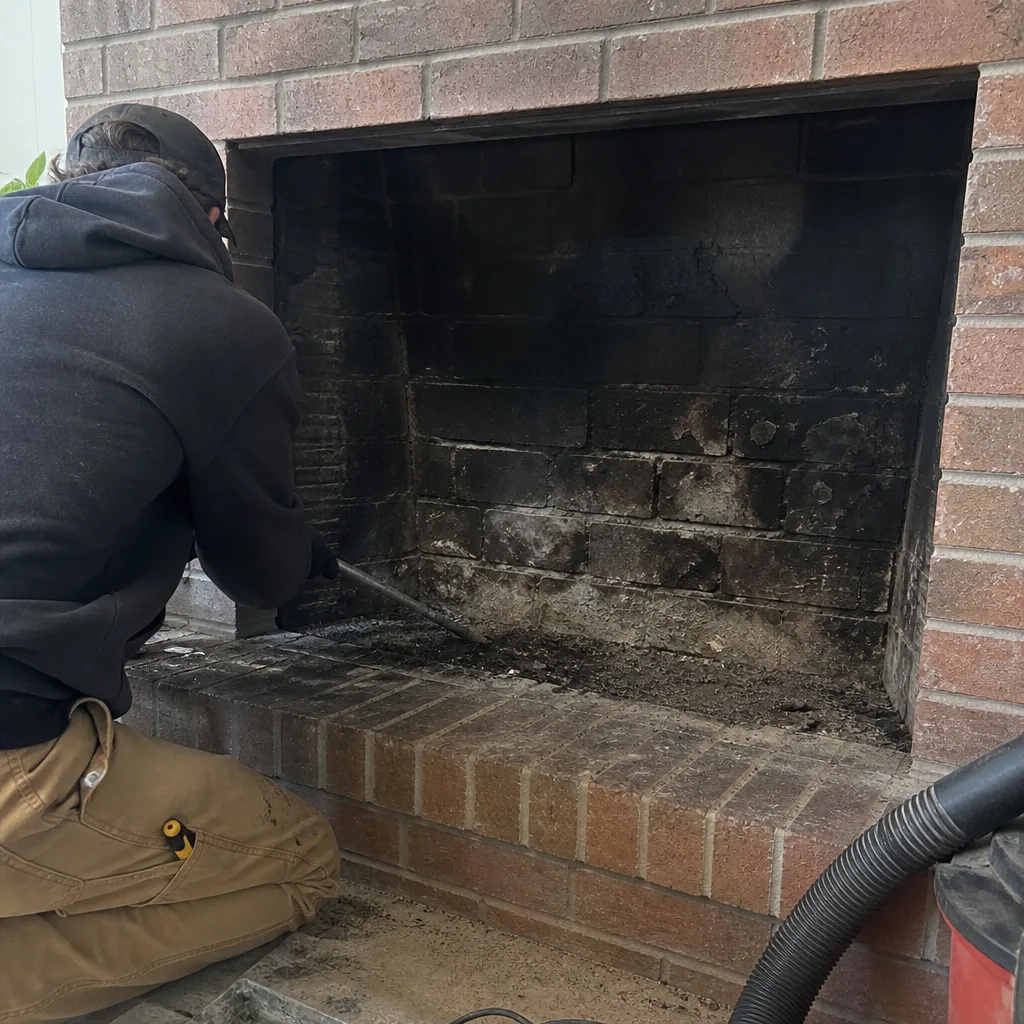
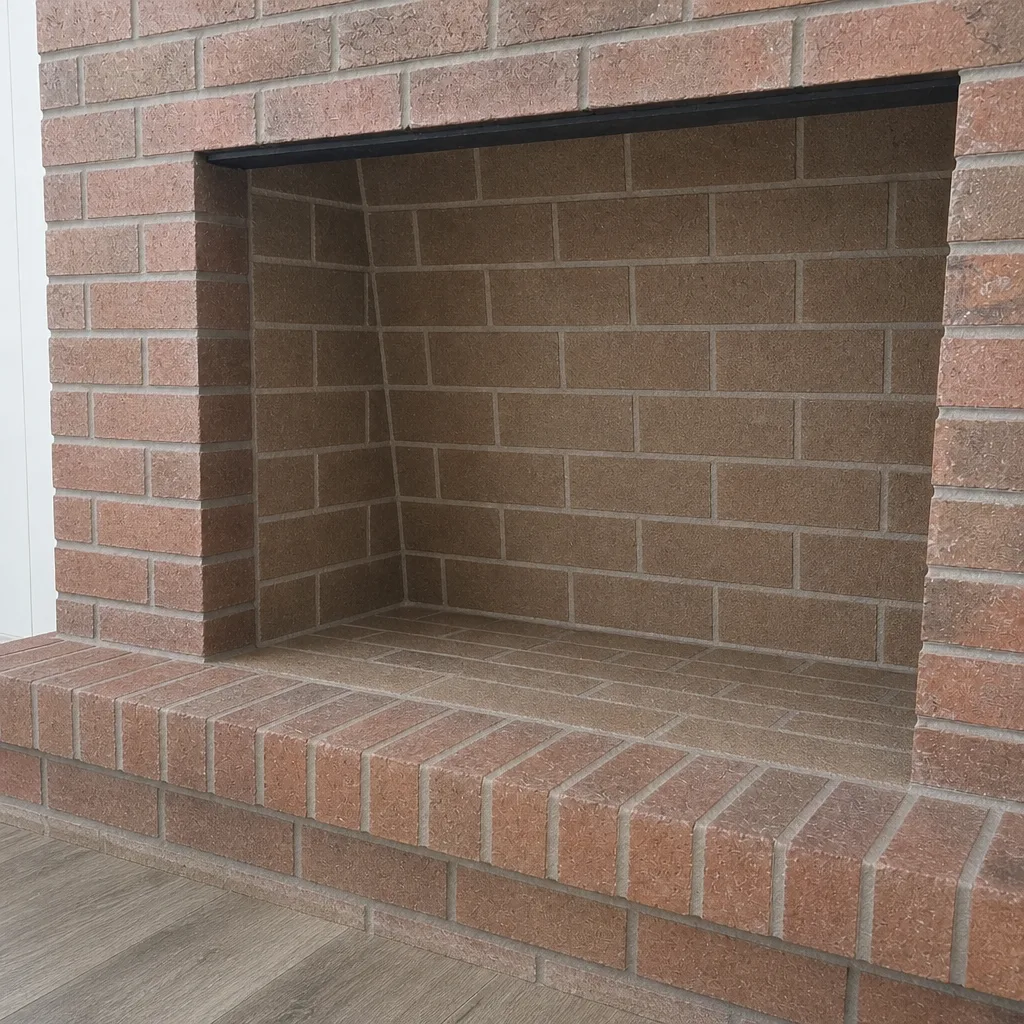
See the difference
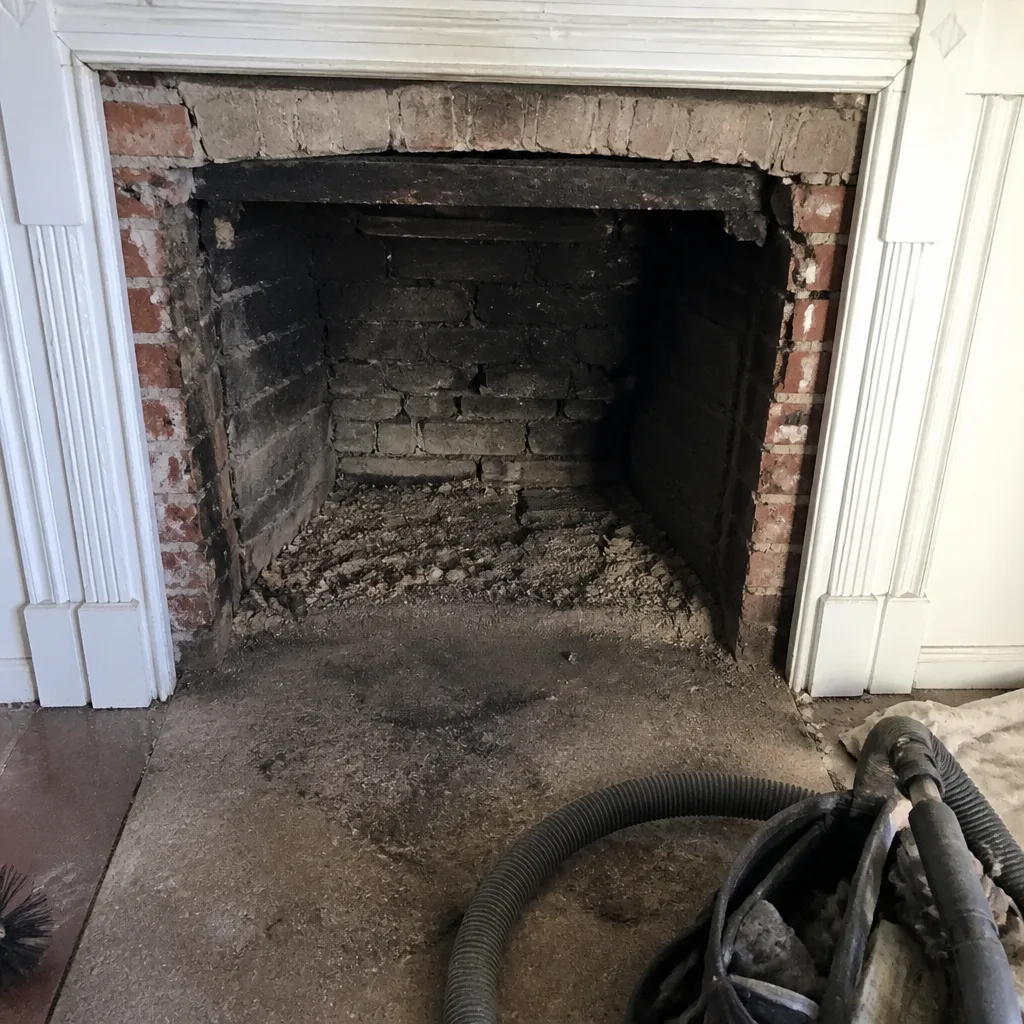 Before
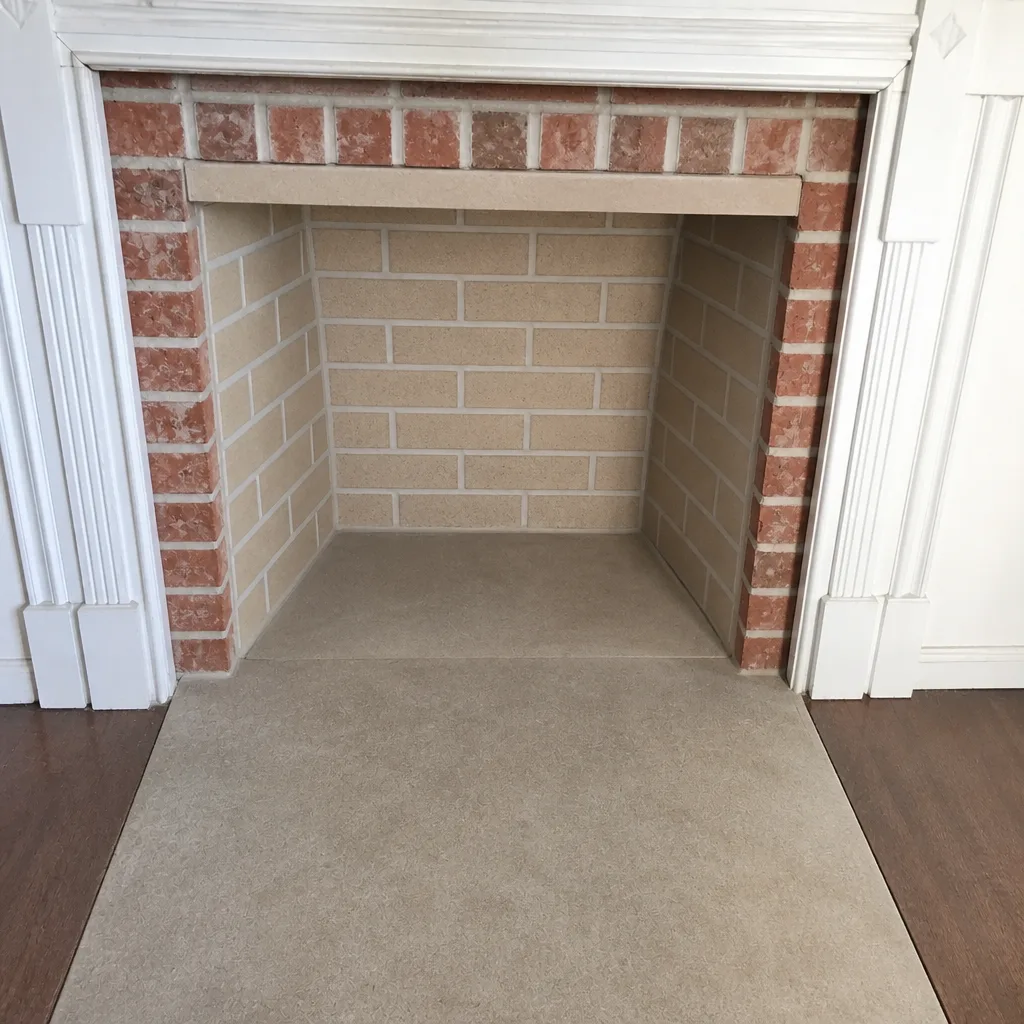 After
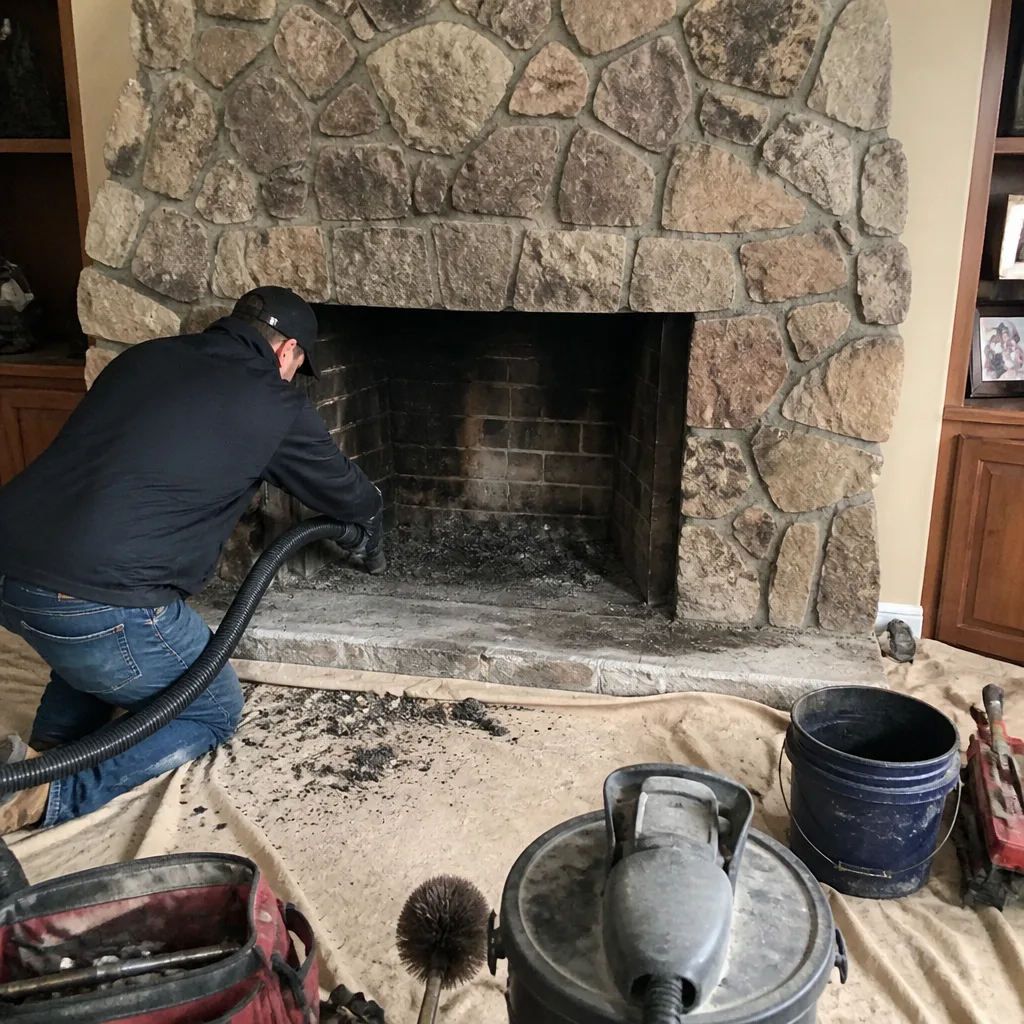 Before
 After
 Before
 After
When to call a professional
Call a professional if you’ve burned more than a cord of wood since your last sweep, if you’ve noticed smoke rolling back into the room, if you smell creosote on warm days, if your fire struggles to catch or draft, or if the cap on top of your chimney is loose, missing or visibly damaged. Call if you’ve had a chimney fire, even a small one, because a liner needs to be scoped before you burn again. Call if you’re buying a home in Eagle Mountain and don’t know when the chimney was last serviced. Call if the crown is cracked or if water is staining the firebox or smoke chamber. The cost of a sweep and inspection is far lower than the cost of a correction, and the inspection is what tells you which side of that line you’re on. Chimney Sweep Eagle Mountain offers free estimates in Eagle Mountain – call (844) 948-2069.
Frequently Asked Questions
A standard chimney sweep in Eagle Mountain typically costs $150 to $250, and a sweep bundled with a Level 1 inspection is usually $200 to $350. Gas fireplace service runs $125 to $200 because there’s no creosote to remove. The written estimate after the technician sees your system sets the final price. Call (844) 948-2069 for an exact quote – estimates are free.
Only if the inspection finds a defect that a repair can’t fix. Cracked or spalling liner tiles often respond to HeatShield resurfacing rather than full replacement, and that’s a middle path many sweep-only companies can’t offer. If the liner is too far gone for resurfacing, or if the existing flue doesn’t meet modern clearance standards, a DuraFlex stainless liner is the durable answer. Ask to see the camera footage before you approve anything. Call (844) 948-2069 for a camera-based assessment.
Once a year for a fireplace in regular use, and more often if you burn softwoods or have a heavily used wood stove. If your burning adds up to more than a cord of wood season-to-season, an annual sweep is the baseline. If the fireplace is decorative or used only a few times a year, the sweep interval can stretch, but the annual inspection is still worth keeping on schedule. Call (844) 948-2069 to book a sweep.
Creosote builds by stage. Stage 1 is soot and flake; Stage 3 is glazed and fire-prone, and it’s the stage most often tied to chimney fires and liner damage. The other skip cost is water intrusion: a crown crack widens each freeze-thaw cycle and water gets deeper into the structure each winter. Both problems are far cheaper to catch early. Call (844) 948-2069 for a free estimate and a current scope report.
A sweep plus a Level 2 camera inspection in Eagle Mountain typically costs $300 to $500. The camera run is the extra step; it lets the technician see the liner interior and check for cracked or offset tiles that a visual-only inspection can’t catch. If you’ve had a chimney fire, changed fuel types, or bought a home without service records, Level 2 is the right call. Call (844) 948-2069 for an exact quote on your system.
Because they’re not quoting the same service. A $99 sweep is a brush-and-vacuum job with no inspection, no camera run, and no evidence trail; a $350 quote usually bundles a sweep with a Level 1 inspection and a photo report. Both can be legitimate. The question is what you actually want: a clean flue or a clean flue and a report of the condition of the rest of the system. If you want the report, compare the two on that basis. Call (844) 948-2069 to book a sweep with inspection.
Cap installation in Eagle Mountain typically runs $200 to $450 for a standard cap, and crown repair or rebuild is commonly $250 to $1,200 depending on whether it’s a reseal or a rebuild. We install Gelco and Famco products, which are built for weather protection rather than appearance alone. Call (844) 948-2069 for a free estimate on your specific chimney top.
The Bottom Line
Chimney pricing in Eagle Mountain isn’t mysterious once you separate it into scope. A basic sweep at $150 to $250 covers the cleaning. Add a Level 1 inspection and you’re at $200 to $350. Add a Level 2 camera run and you’re at $300 to $500. Everything above that is correction work, quoted per system after inspection, and it should come with camera evidence you can see. The single most useful habit is to ask what’s included before you book, and to compare quotes on that basis. An annual sweep is a small purchase that keeps you off the more expensive line items. If something does come up, choose a crew that handles diagnosis and repair together, uses professional-grade materials like DuraFlex, HeatShield, Gelco, Olympia Chimney, Famco and Copperfield, and will show you the footage before quoting a repair. From the firebox to the crown, that’s the full-system approach.
Call (844) 948-2069. We answer 24/7. Fast dispatch from 7am to 7pm, Sunday through Friday. Estimates are free, and the written estimate sets the final price.
Written by the team at Chimney Sweep Eagle Mountain.