
Last updated November 24, 2026
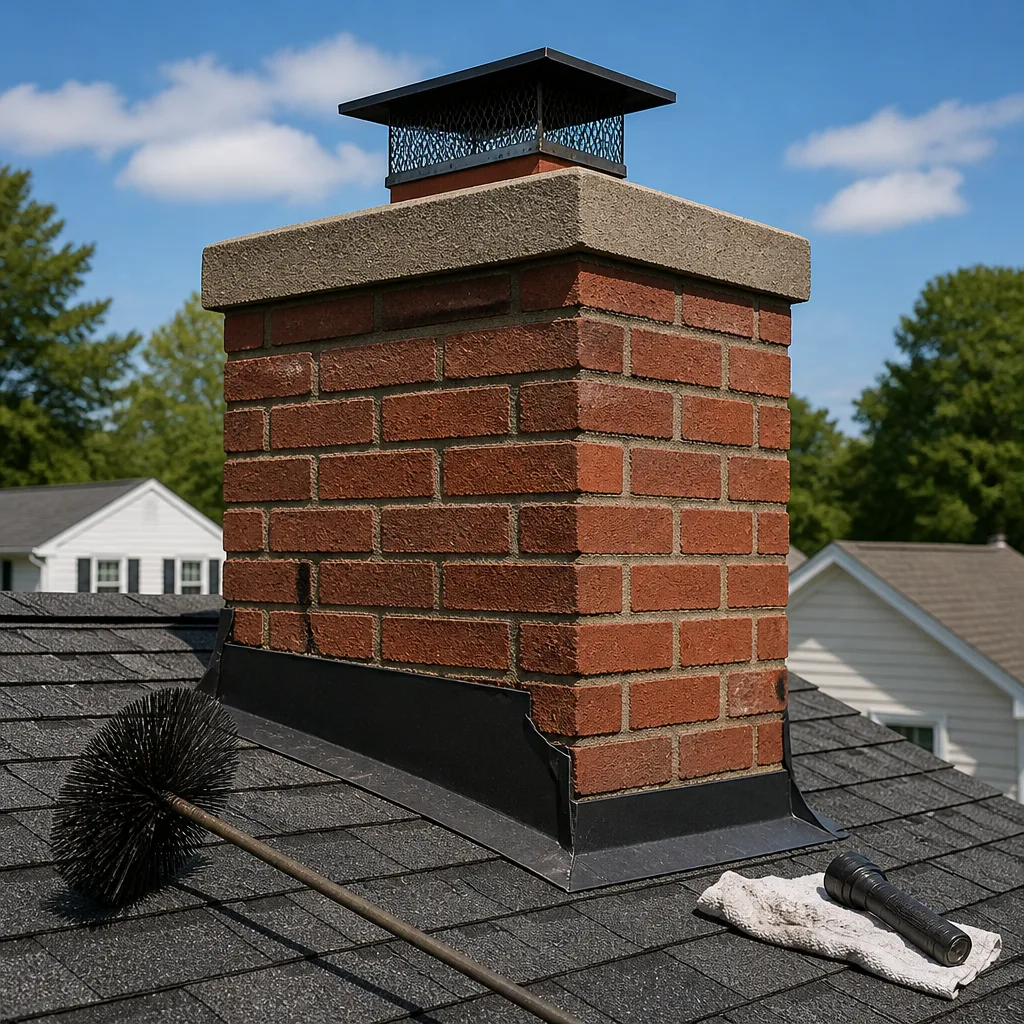 Sweep & inspection
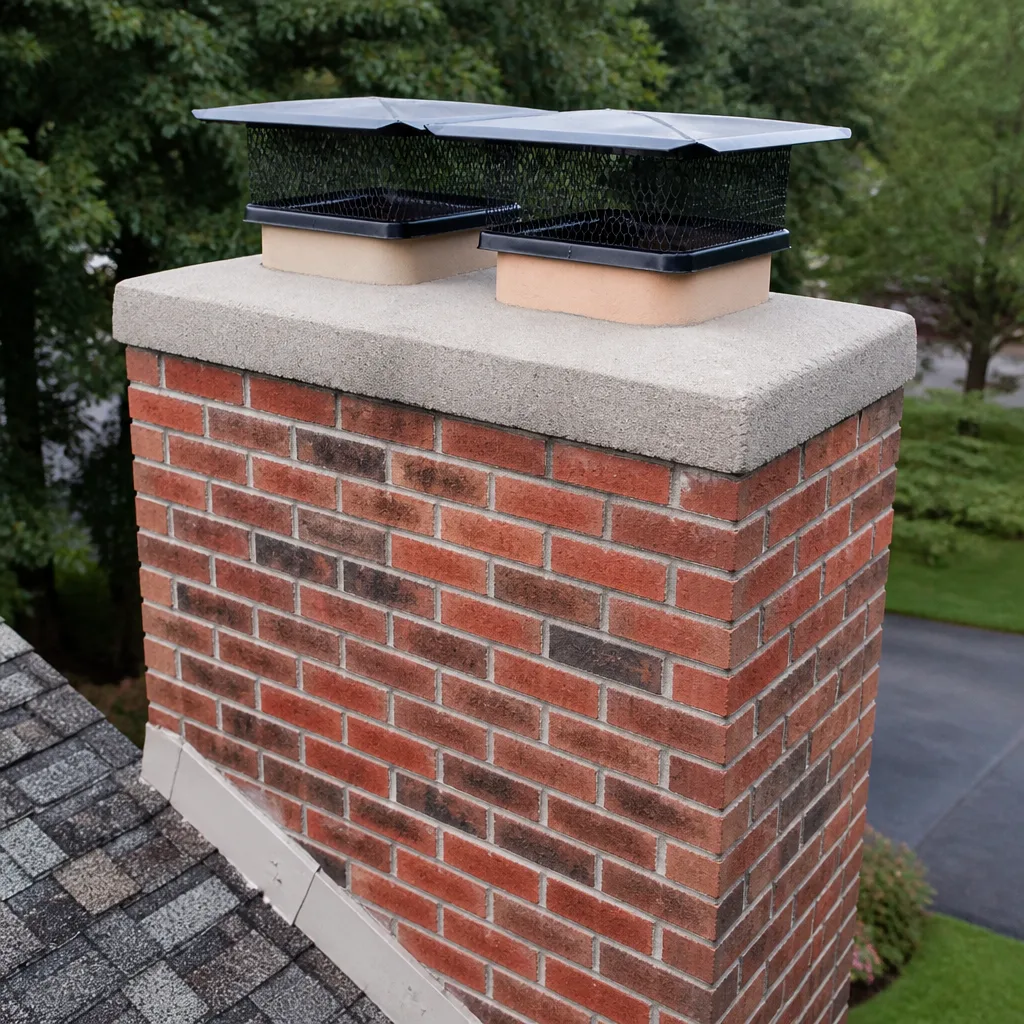 Caps & crowns
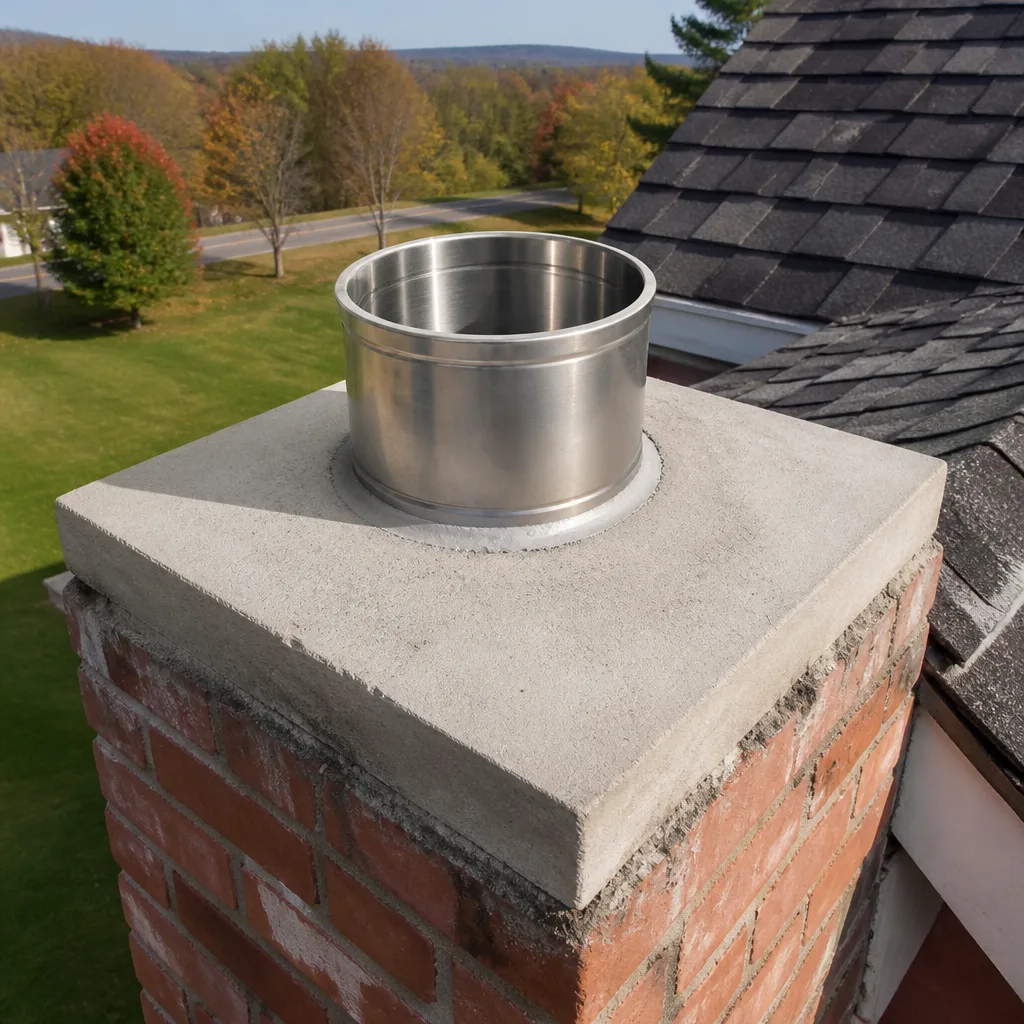 Flue relining
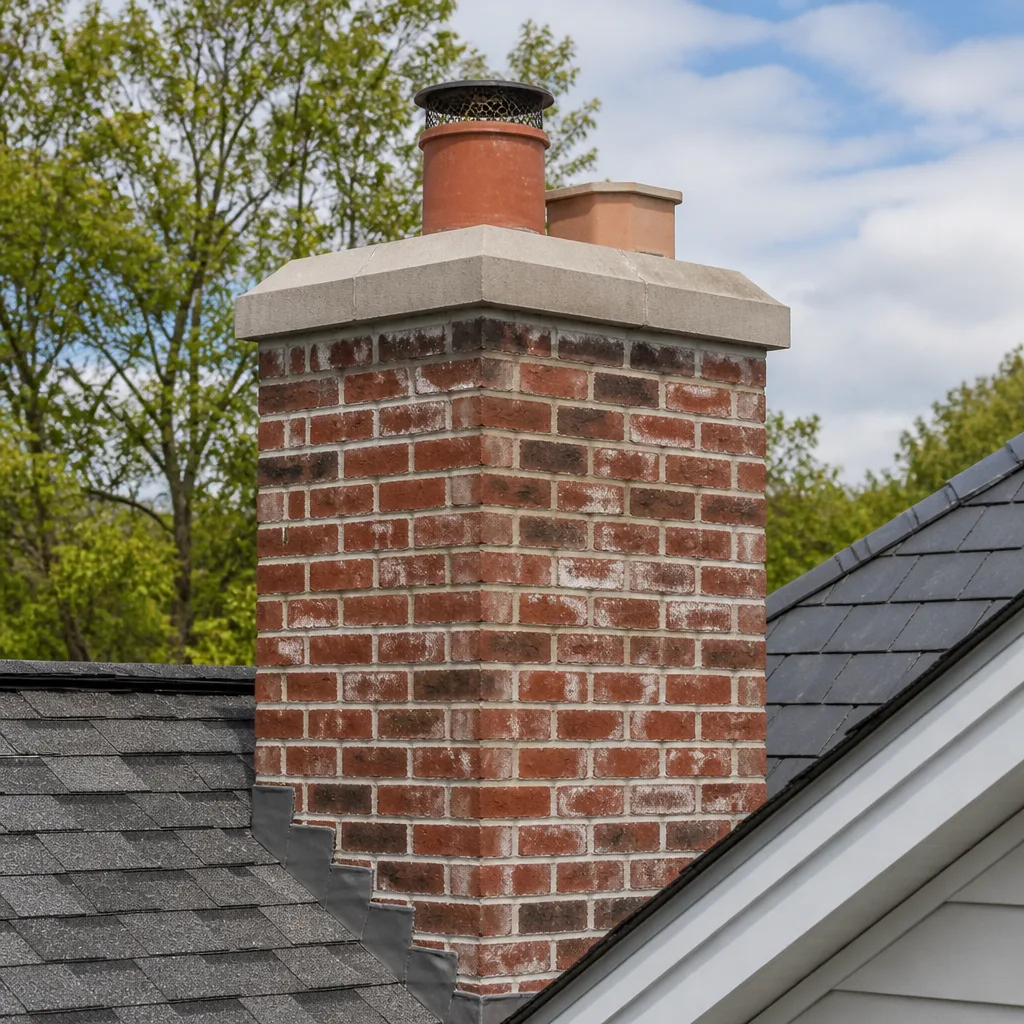 Masonry repair
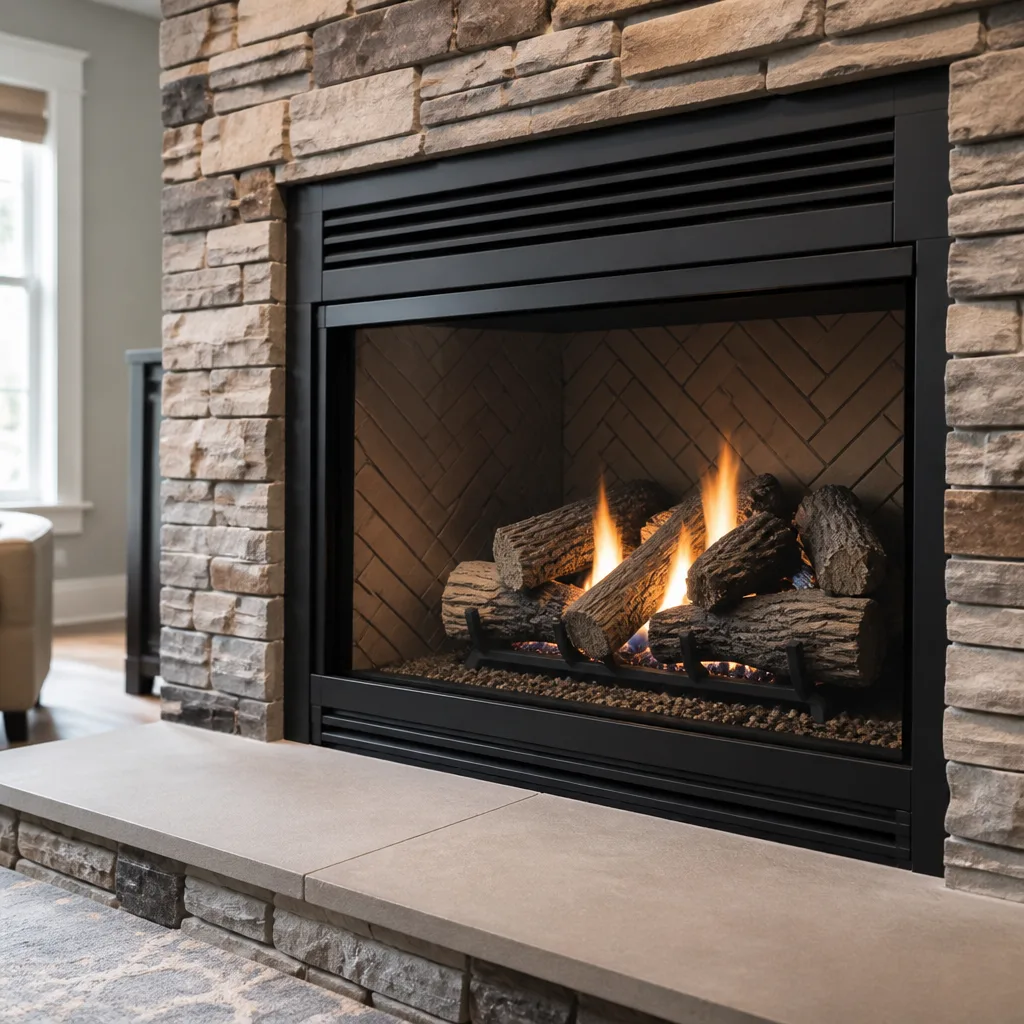 Gas fireplace service
Level 1 sweep and inspection to the NFPA 211 annual standard - flue, crown, cap, and flashing checked and photographed
Chimney sweep logs do not sweep chimneys. They loosen some creosote - which then falls where a brush and vacuum still have to collect it.
Chimney Cleaning Warning Signs: An Eagle Mountain Homeowner’s Reference Guide
That smoky smell in your living room on a gusty afternoon doesn’t always mean a dirty flue. Sometimes it’s a pressure problem: Eagle Mountain’s canyon winds pushing against a house that’s sealed too tightly for its own draft. A dirty chimney and a pressure imbalance can feel identical from the couch, but they need completely different fixes. Treat a pressure problem like a cleaning job and you’ll pay for a sweep that doesn’t solve anything. This guide connects each warning sign to what it actually says about your system. Read it and you’ll know when to stop using the fireplace immediately, when to book a sweep, and when a symptom is simply normal behavior.
Quick Answer
Chimney warning signs fall into two groups. Stop using the fireplace right away if you see smoke rolling back into the room, smell strong creosote or burning, or notice cracked or crumbling flue tiles – these point to a blocked or failing flue that can cause a chimney fire or carbon monoxide exposure. Monitor and book a sweep for white staining on exterior masonry, slow draft, a sooty smell when the fireplace is idle, or a damaged cap or crown. In Eagle Mountain, wind-driven downdraft is a third category that mimics a dirty flue but isn’t fixed by cleaning.
Styles & brands we work with
- Sweep & inspection
- Caps & crowns
- Flue relining
- Masonry repair
- Gas fireplace service
Table of Contents
- The Symptom-to-Cause Matrix
- Urgent Stop-Use Signs vs. Monitor-and-Schedule Signs
- Warning Signs Unique to Eagle Mountain’s Wind Patterns
- What White Staining (Efflorescence) Tells You
- Interior Warning Signs Most Homeowners Misread
- Reading Creosote: Why Degree Matters
- Cap and Crown Failure: The Moisture Pathway
- Your Seasonal Reference Checklist
The Symptom-to-Cause Matrix
Most chimney guides describe “warning signs” in a way that tells you nothing actionable – “unusual odors” or “drafting problems” without connecting the sign to what’s broken. Here’s a table in list form, organized by symptom and what it typically points to in a wood-burning or gas system.
- Smoke rolling back into the room on lighting or reloading. Usually a flue obstruction (creosote, a bird nest, a collapsed tile), a flue that’s too cold, or a negative-pressure condition in the house. If it happens only on windy days, suspect pressure; if it happens every time, suspect obstruction.
- Persistent weak draft, even in calm weather. Undersized flue, a flue that doesn’t meet current clearance or height standards, or a liner that has separated from the interior wall.
- Strong sooty odor when the fireplace is cold. Creosote residue releasing volatile compounds as humidity and temperature shift. This is a classic indicator that a sweep is due.
- White, powdery staining on exterior brick (efflorescence). Moisture moving through masonry and evaporating at the surface, usually from a failed crown, flashing, or a liner that’s letting water in.
- Visible cracks, spalling, or missing mortar in the firebox or flue tiles. Heat damage or water damage to the flue lining – a stop-and-look situation before the next fire.
- A sooty smudge on the face of the fireplace surround. Smoke escaping past a gasket or a firebox that isn’t drawing cleanly.
- Peeling wallpaper, a ceiling stain, or a musty smell near the chimney chase. Water infiltration from the top of the system, not a plumbing leak – though it’s often misdiagnosed as one.
Each of these symptoms is a signal, not a verdict. The inspection confirms which cause is actually in play before any repair is recommended.
Urgent Stop-Use Signs vs. Monitor-and-Schedule Signs
Homeowners tend either to panic or to ignore, and both are the wrong response. The harder and more useful skill is sorting symptoms into “stop using the fireplace tonight” and “book a sweep before the season.” Here’s how we break it down.
Stop using the fireplace immediately
- Smoke rolling steadily into the room with the damper fully open and a warm flue.
- A strong, acrid creosote smell or visible smoke that appears even with no fire burning.
- Cracked, crumbling, or missing flue tile visible from the firebox or the cleanout.
- Any sign of a chimney fire in the past – puffy, honeycombed creosote, discolored metal, or a distorted cap.
- Headache, dizziness, or nausea in the home while a gas appliance is running. Treat as possible carbon monoxide and get everyone outside, then call for help.
Monitor and schedule
- White staining on exterior masonry with no interior symptoms.
- A draft that’s gotten slowly weaker over the season but still works.
- A sooty smell when the fireplace is cold.
- A cap that has lost its screen or a crown with a hairline crack.
- Soot visible on the firebox face after a fire.
Those monitor items still deserve a look. Deferred chimney maintenance becomes expensive repair when water gets into the system for a full winter. The difference is whether you need to shut the fireplace down tonight.
Warning Signs Unique to Eagle Mountain’s Wind Patterns
Eagle Mountain sits at elevation on the west side of Utah Valley, and canyon winds come through regularly. That matters for chimney diagnosis in a way most guides skip. A fireplace that drafts beautifully on a still evening and smokes on a gusty one is not a dirty flue – it’s a pressure problem.
Here’s the mechanism. When wind hits the house, it creates positive pressure on the windward side and negative pressure on the leeward side. If the chimney’s termination is in a spot where wind creates a downdraft, or if the house is tight enough that the only air path in is the flue itself, the fireplace can’t pull. Modern construction and recent weatherization make this worse: a house that used to leak air now doesn’t, and the fireplace loses its makeup air supply.
How to distinguish downdraft from obstruction:
- Downdraft: smoke rolls back on windy days only, is often a puff or two at lighting, and clears once the fire is hot. It’s worse when a bathroom fan or kitchen hood is running.
- Obstruction: smoke rolls back on every fire regardless of weather, and the flue feels noticeably cooler or weaker near the firebox.
- Undersized or too-short flue: consistent weak draft plus soot on the firebox face, worse in cold weather.
In our experience, a fair number of “we need a sweep” calls from Eagle Mountain homeowners turn out to be a pressure balance issue that a chimney cap change or a makeup air adjustment corrects. A sweep-only outfit will clean the flue and leave the underlying problem in place. A chimney sweep who also handles cap and crown work can address both at once.
What White Staining (Efflorescence) Tells You
Efflorescence is the white, powdery salt-like bloom that appears on exterior brick or mortar. It looks cosmetic and often gets treated that way. In practice, it’s a moisture map – a visible record of where water is entering the chimney system and evaporating at the surface.
When masonry gets wet, water dissolves salts from the brick and mortar. As the surface dries, those salts are left behind as a white crust. The staining itself doesn’t damage the brick directly, but it tells you water is moving through masonry in a way it shouldn’t. Common entry points:
- A crown with a crack or a failed seal at the flue tile.
- Missing or deteriorated flashing at the roof line.
- A liner that has failed and is allowing moisture to contact the brick from inside.
- Brick with open mortar joints that absorb water.
Why we call this a “foundation-up” problem: water entering at the crown works its way down through the chimney, through the flue wall, and often into the framed chase below. Along the way it corrodes dampers, rusts firebox components, and in freeze cycles it spalls the brick face off in layers. In Eagle Mountain, the freeze-thaw cycle between fall and spring makes that damage move faster than in a mild climate.
If you see efflorescence, the fix isn’t a masonry sealer. Start with an inspection that identifies the entry point from the top of the system down. A crown repair, a flashing repair, or liner restoration with a product like HeatShield can address the actual pathway far better than surface sealing.
Interior Warning Signs Most Homeowners Misread
The clearest chimney warning signs are often inside the house, and they almost always get blamed on something else. Here are the ones we see misattributed most often.
- Ceiling stains near the chimney chase. Usually the first thought is plumbing. If the stain is anywhere along the vertical line of the chimney chase – upstairs ceiling, attic space above the fireplace, or the wall behind the chimney – suspect a crown or flashing leak before calling a plumber.
- Peeling wallpaper or bubbling paint on the chimney wall. Moisture migrating through the masonry from the top of the system. It shows up first on the wall face closest to the flue.
- A musty, damp smell in the room with the fireplace. Often read as an HVAC problem. If it’s strongest near the firebox and gets worse in wet weather, the source is usually the chimney itself.
- Rust on the damper or firebox hardware. Moisture entering from the top and working down. Rust on a damper is rarely just humidity from the room – the flue is the likelier path.
- Whistling or howling at the fireplace on windy days. Not always a warning sign. Some air movement through a flue is normal. Persistent whistling during gusts points to a pressure issue that a properly sized cap can often reduce.
The pattern here: water and pressure. Almost every misread interior sign falls into one of those two buckets. When we look at a chimney from the firebox to the crown, we can generally identify which one is at work and whether it’s a chimney repair job or a top-end sealing fix.
Reading Creosote: Why Degree Matters
Creosote is the residue left behind when wood smoke cools on the flue walls. It builds in degrees, and the degree determines how urgent the cleaning is. Here’s the reference most homeowners never get.
- First-degree creosote: a light, dusty soot. Cleanup is straightforward with a standard sweep. This is what you want to catch on an annual basis.
- Second-degree creosote: a flaky, crusty deposit that clings to the flue wall. It’s still removable, but it takes more work and often signals that combustion is inefficient – unseasoned wood, poor draft, or a flue that’s too cold.
- Third-degree creosote: a glossy, hardened, tar-like layer. It’s the most flammable form, it doesn’t come off with a standard brush, and it’s the stage most associated with chimney fires. If a technician tells you the flue has third-degree creosote, stop using the fireplace until it’s addressed.
Two things raise your risk of getting to third-degree faster in Eagle Mountain: burning wood that hasn’t dried fully, and letting the fire smolder overnight. A hot, clean-burning fire leaves less residue than a slow, cool one. If you’re not sure what stage your flue is at, that’s the entire reason for a professional inspection before the heating season.
Cap and Crown Failure: The Moisture Pathway
The cap sits at the top of the flue and keeps out rain, snow, animals, and wind-driven debris. The crown is the concrete surface that crowns the chimney top and sheds water away from the flue. Both fail over time. The damage they cause when they do is the leading driver of long-term chimney structural problems, and it starts with moisture.
Signs your cap or crown is failing:
- A cap with a torn or missing screen, or one that’s visibly leaning.
- A crown with a hairline crack, crumbling edge, or standing water after rain.
- A gap between the flue tile and the crown, where you can see daylight or a shadow.
- Bird activity near the flue opening, or debris in the firebox.
What happens next, in order:
- Water gets into the flue and contacts the interior masonry.
- Freeze-thaw cycles in Eagle Mountain winter accelerate spalling and cracking in the tile.
- The moisture migrates into the chimney chase and shows up as interior stains.
- Metal components – damper, firebox hardware, and the liner itself – corrode.
The fix is usually a crown rebuild with a Gelco product or a new cap installation using a properly sized Famco cap. Both are relatively straightforward when caught early. Left alone, the same problem becomes a liner replacement, and the difference in scope is significant.
Your Seasonal Reference Checklist
A useful annual routine for Eagle Mountain homeowners, with wood-burning or gas fireplaces used regularly:
- Before the heating season (late summer, early fall). Book a professional inspection. The technician checks liner condition, cap and crown, damper operation, and firebox integrity, and takes photos you can see for yourself.
- On the first cold snap. Test the draft with a small fire. If smoke rolls back on a calm day, stop and book an inspection before using the fireplace again.
- Monthly during the season. Look in the firebox for soot on the surround, and glance at the fireplace exterior wall for peeling paint.
- After a hard wind event or storm. Look up at the cap and crown from the ground. A leaning cap or visible crack in the crown gets a call.
- Before the burning season ends. If you’ve burned more than a cord of wood or see heavy creosote on the firebox walls, a mid-season sweep may be worth scheduling.
One thing to skip: don’t climb onto the roof to inspect the crown yourself. Steep pitch and wind are a bad combination, and the damage is easy to misjudge from a ladder. Let a chimney inspection with a camera do that work.
Common Mistakes to Avoid
- Treating every smoky fire as a dirty flue. In Eagle Mountain, wind-driven downdraft is a real cause of rollback, and a sweep won’t fix it. Observe the pattern – calm weather vs. gusty – before booking.
- Sealing efflorescence with a masonry sealer as the “fix.” That hides the symptom while water keeps moving through masonry. The entry point needs to be closed from the top of the system down.
- Blaming interior wall stains on plumbing. If the stain tracks the chimney chase, get a chimney inspection before opening up walls for a plumbing repair that may not be needed.
- Ignoring a hairline crown crack. Small cracks become freeze-thaw failures in Eagle Mountain winters. Fixing the crown early is far cheaper than repairing a flue liner later.
- Burning unseasoned wood to “save a little money.” Wet wood drops flue temperatures and accelerates creosote buildup toward third degree. It’s also the fastest route to a chimney fire risk.
- Skipping a sweep for two or three years because “it’s gas.” Gas fireplaces still produce deposits, and the flue still needs inspection. The signs are just quieter.
- Calling a sweep-only operation for a structural symptom. A cracked crown or a deteriorating liner needs repair, not just a cleaning. Look for a company that handles the full system from firebox to crown.
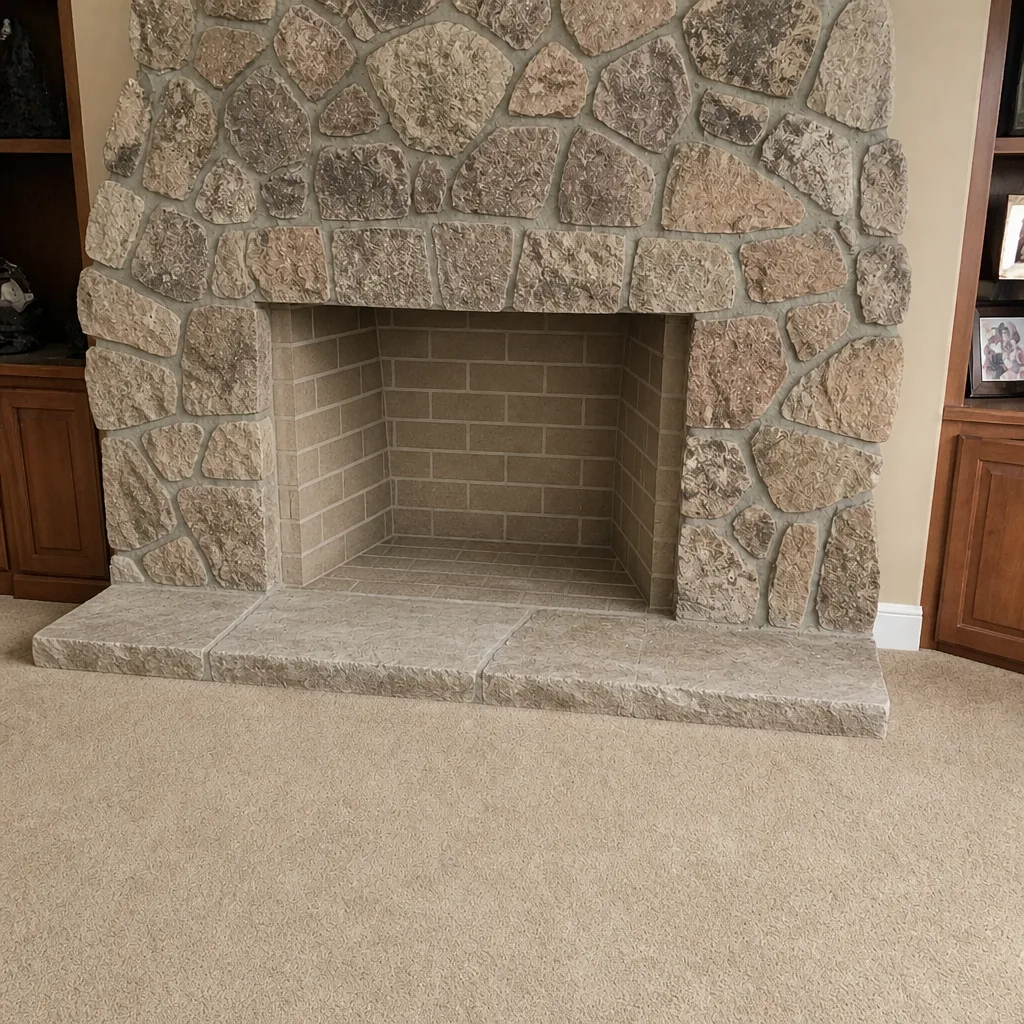
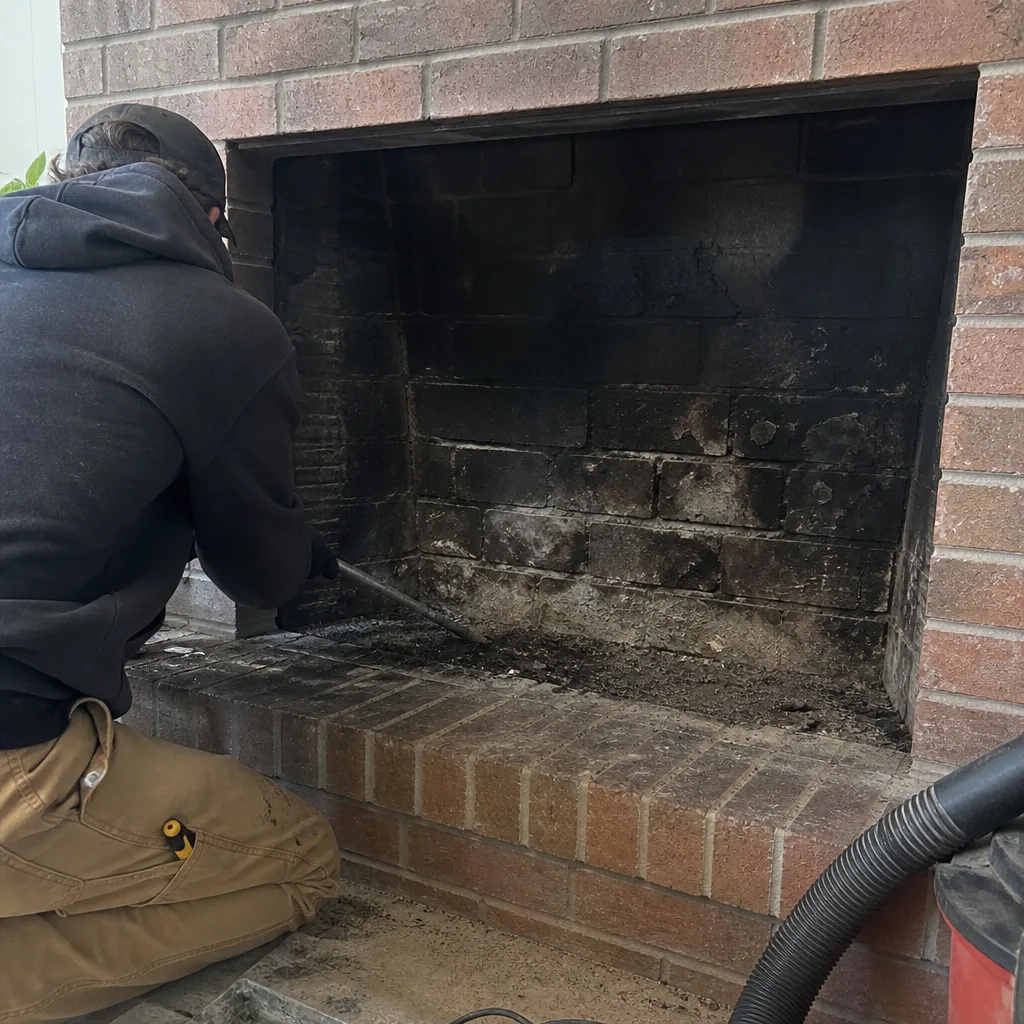
See the difference
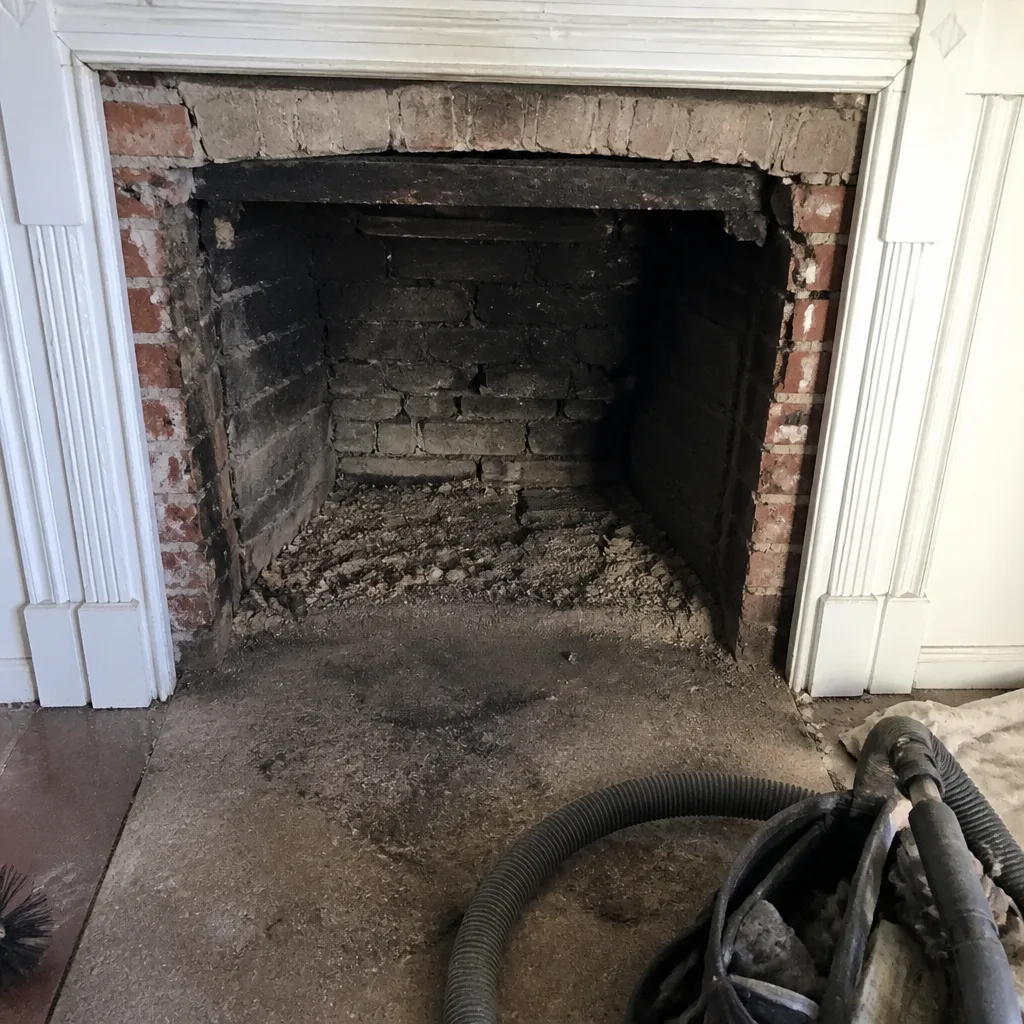 Before
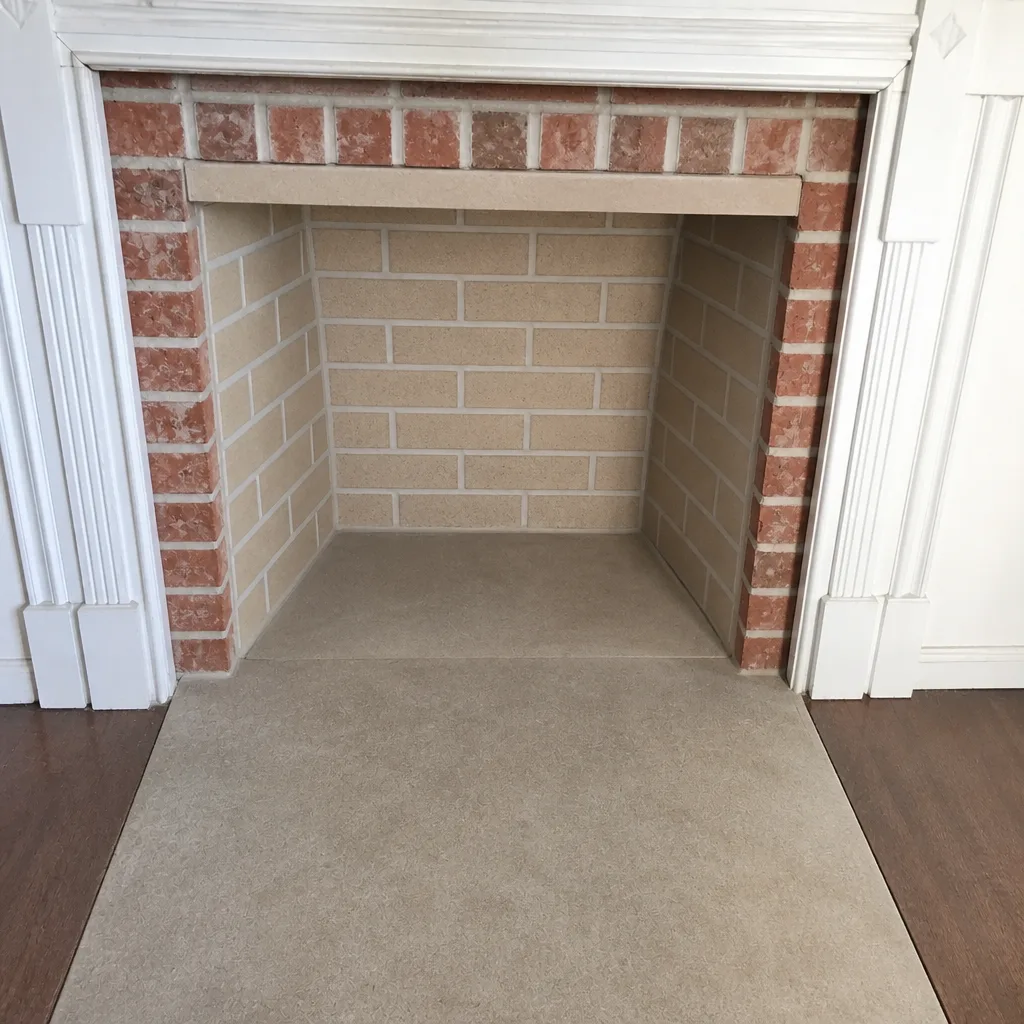 After
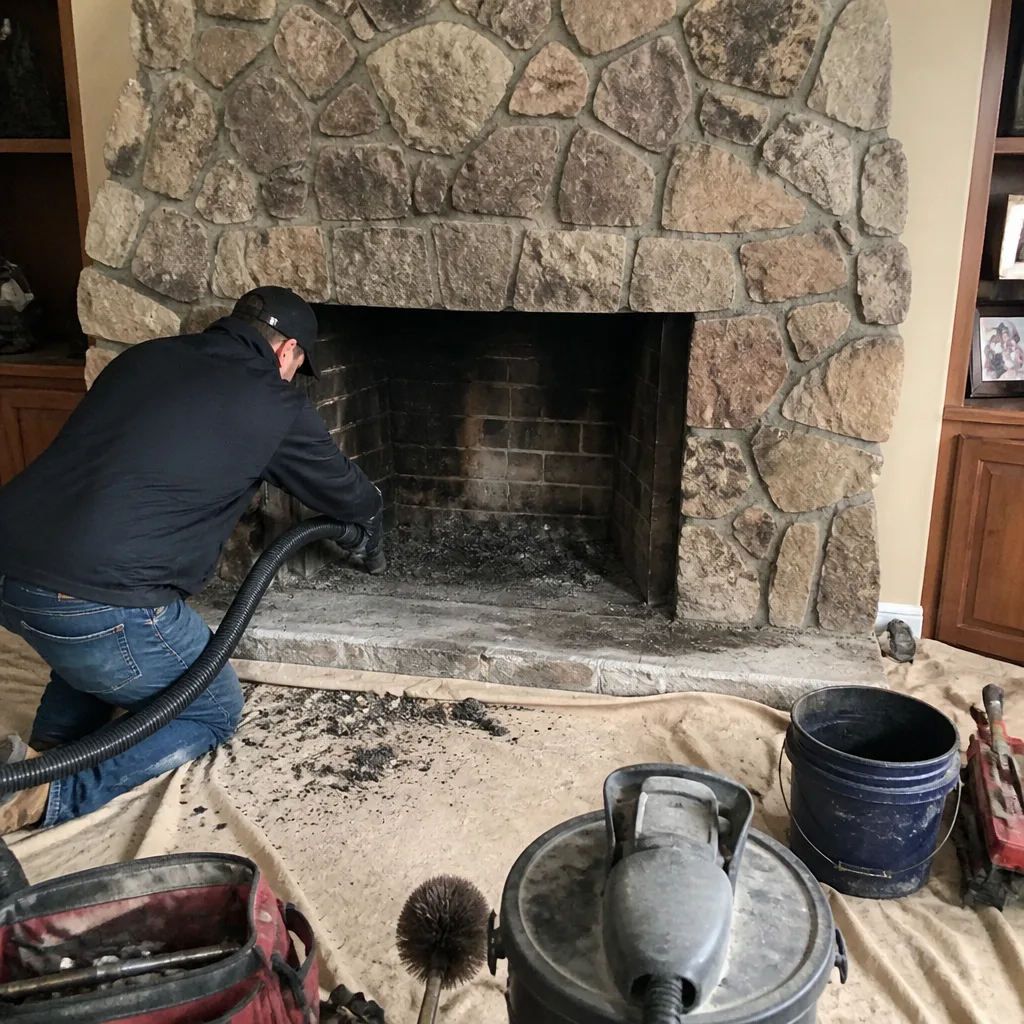 Before
 After
 Before
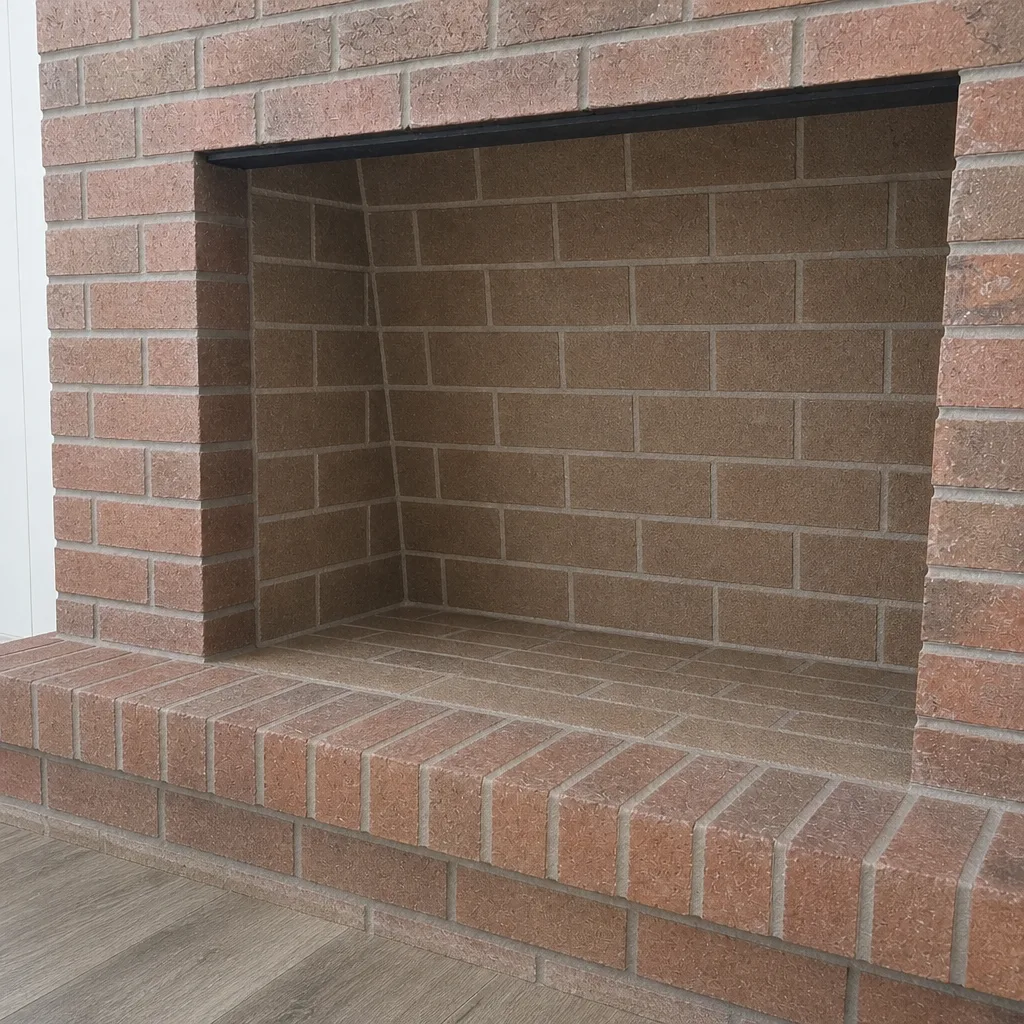 After
When to Call a Professional
Call for a professional inspection when you see smoke roll into the room on a calm day, notice cracked or crumbling flue tiles, find interior stains along the chimney chase, or spot a crack in the crown that’s visible from the ground. Book a standard sweep if it’s been over a year since the last cleaning, if the creosote smell is strong when the fireplace is idle, or if you’ve burned more than a cord of wood this season. In our experience, the signs that get missed are the ones handled by “watch and see.” A chimney inspection with camera evidence reveals what’s actually happening and whether work can wait. Chimney Sweep Eagle Mountain offers free estimates in Eagle Mountain – call (844) 948-2069 to schedule.
Frequently Asked Questions
The most serious are smoke rolling back into the room on a calm day, cracked or crumbling flue tiles, and any sign of a past chimney fire such as puffy, honeycombed creosote or a distorted cap. These indicate a blocked or failing flue that should be inspected before the next fire, not cleaned over. If you’re unsure, stop using the fireplace and book an inspection. Call (844) 948-2069 for an exact quote on an inspection – estimates are free.
White staining, called efflorescence, is a sign that water is moving through the masonry and evaporating at the surface. It usually points to a failed crown, damaged flashing, or a liner that’s letting moisture into the flue wall. The fix is to find and close the actual water entry point from the top of the system down, not to seal the surface. A camera inspection confirms the source before any repair.
No. In Eagle Mountain, canyon winds create pressure differences that cause downdraft on gusty days even when the flue is clean. If smoke rolls back only on windy days and clears once the fire is hot, suspect pressure. If it happens on every fire regardless of weather, suspect an obstruction. The two have very different fixes, so the pattern matters. Call (844) 948-2069 and we’ll help you sort out the likely cause before dispatching a technician.
Once a year if you use the fireplace regularly, and before the heating season. A sweep is due when you see heavy creosote deposits, smell soot when the fireplace is cold, or have burned more than a cord since the last cleaning. Annual inspection is the pattern most chimney professionals recommend because it catches crown and liner problems before they become structural repairs.
We don’t recommend it. The crown work has to shed water correctly and seal against the flue tile, and a poor repair lets water back in – often worse than the original crack. Crown repair with a product like Gelco is a rooftop job on a steep pitch, and Eagle Mountain wind makes it hazardous. A chimney repair company can do it safely and correctly the first time.
A sweep is the cleaning: brushing soot and creosote from the flue to reduce fire risk. An inspection is the diagnostic: checking liner condition, cap and crown, damper operation, and clearance. You need both, and in most cases they run together. A company that handles the full system from sweep to chimney repair can give you a single report you can act on. Call (844) 948-2069 to book both together.
The Bottom Line
Chimney warning signs are specific, and each one points to a specific cause. Smoke rollback on a windy day is a pressure issue; on a calm day it’s an obstruction. White staining on the brick maps where water is getting in. Interior wall stains follow the chimney chase, not the plumbing. Dark, glossy creosote means stop using the fireplace; sooty smell when it’s idle means book a sweep. Across Eagle Mountain, the same pattern holds: the signs handled early are the ones that stay simple. Get an on-the-ground look at your firebox, flue, and crown, and every one of these warning signs has a clear next step. Reach us at (844) 948-2069 for a free estimate – we answer 24/7, with fast dispatch from 7am to 7pm.
Written by the team at Chimney Sweep Eagle Mountain.