
Last updated November 24, 2026
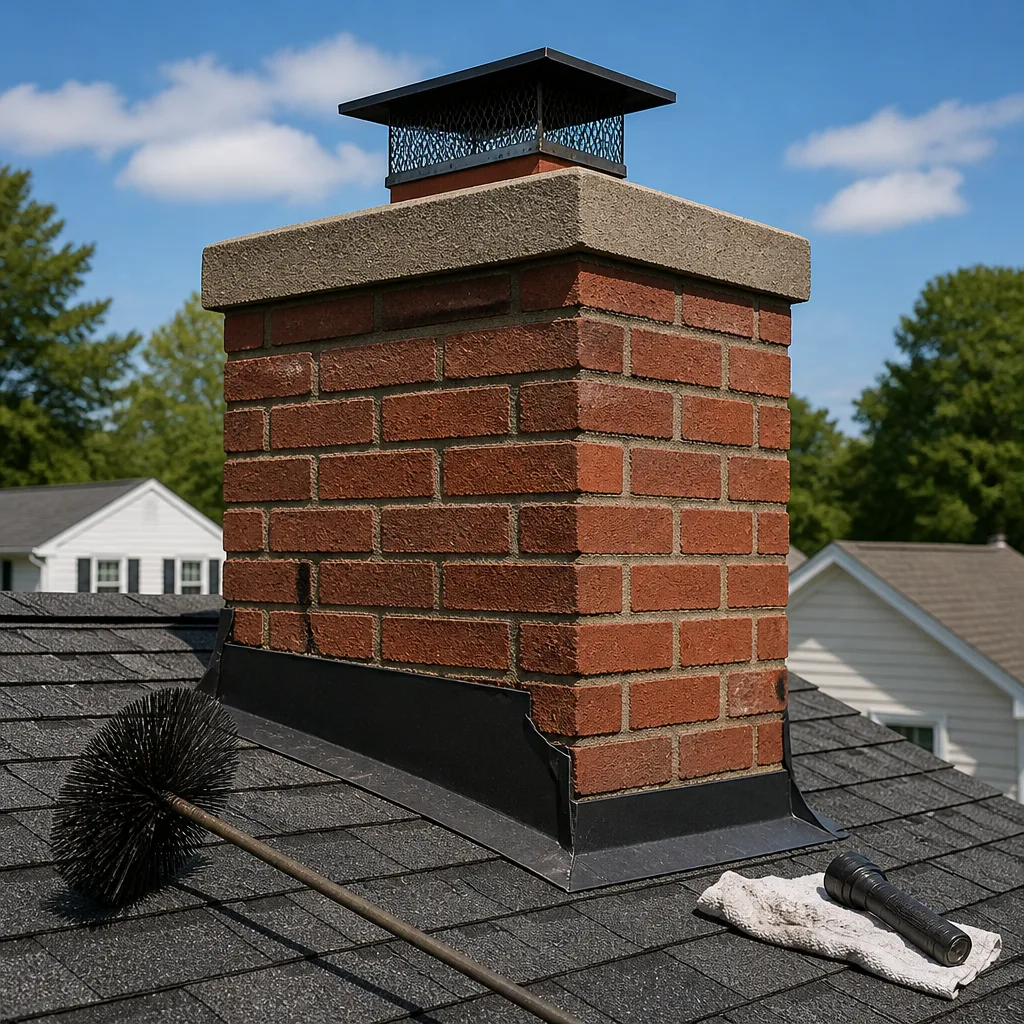 Sweep & inspection
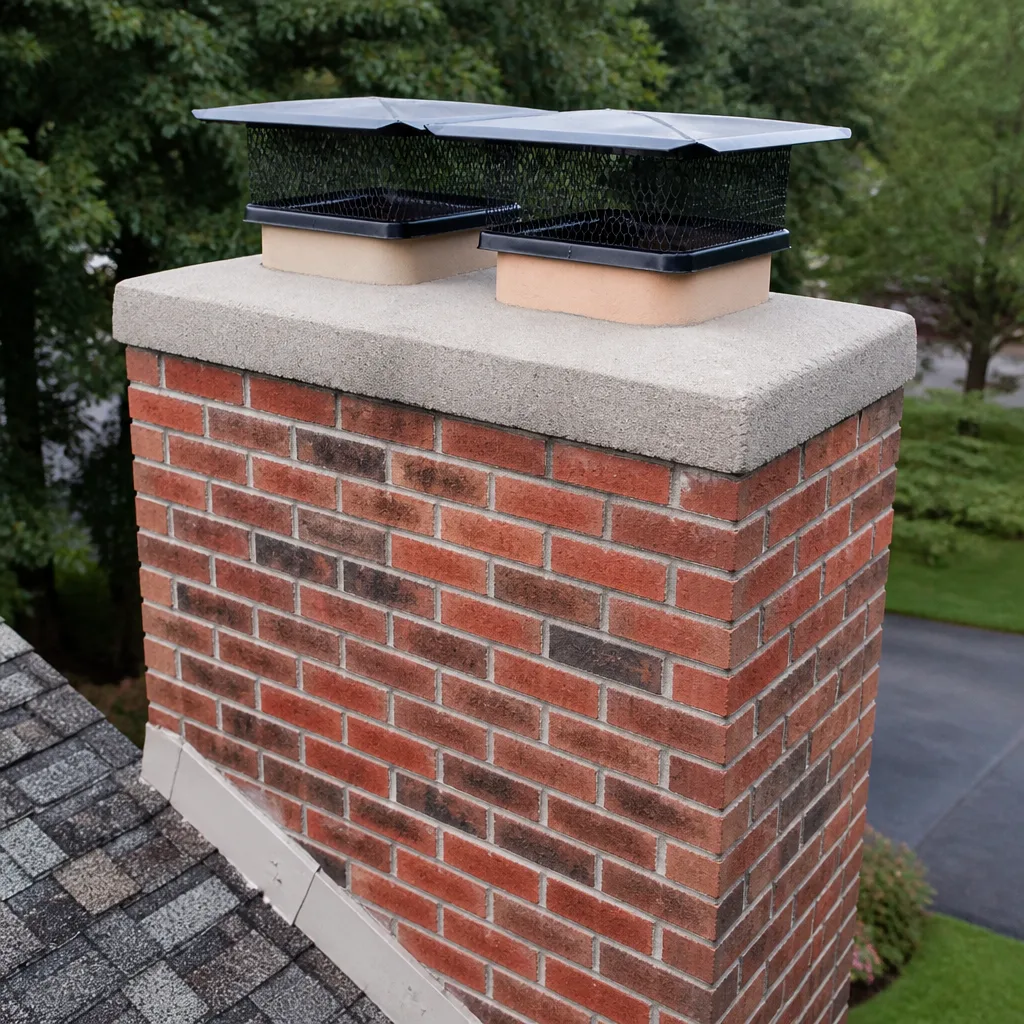 Caps & crowns
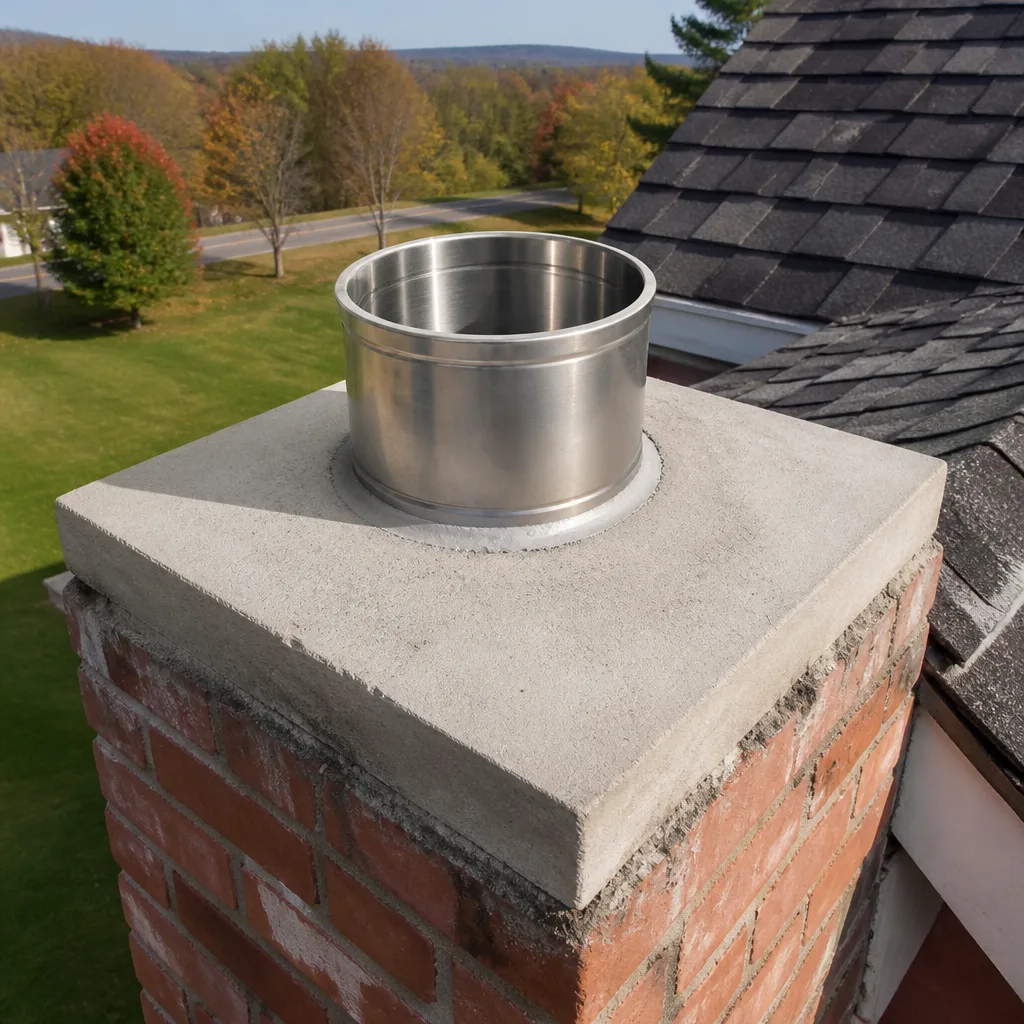 Flue relining
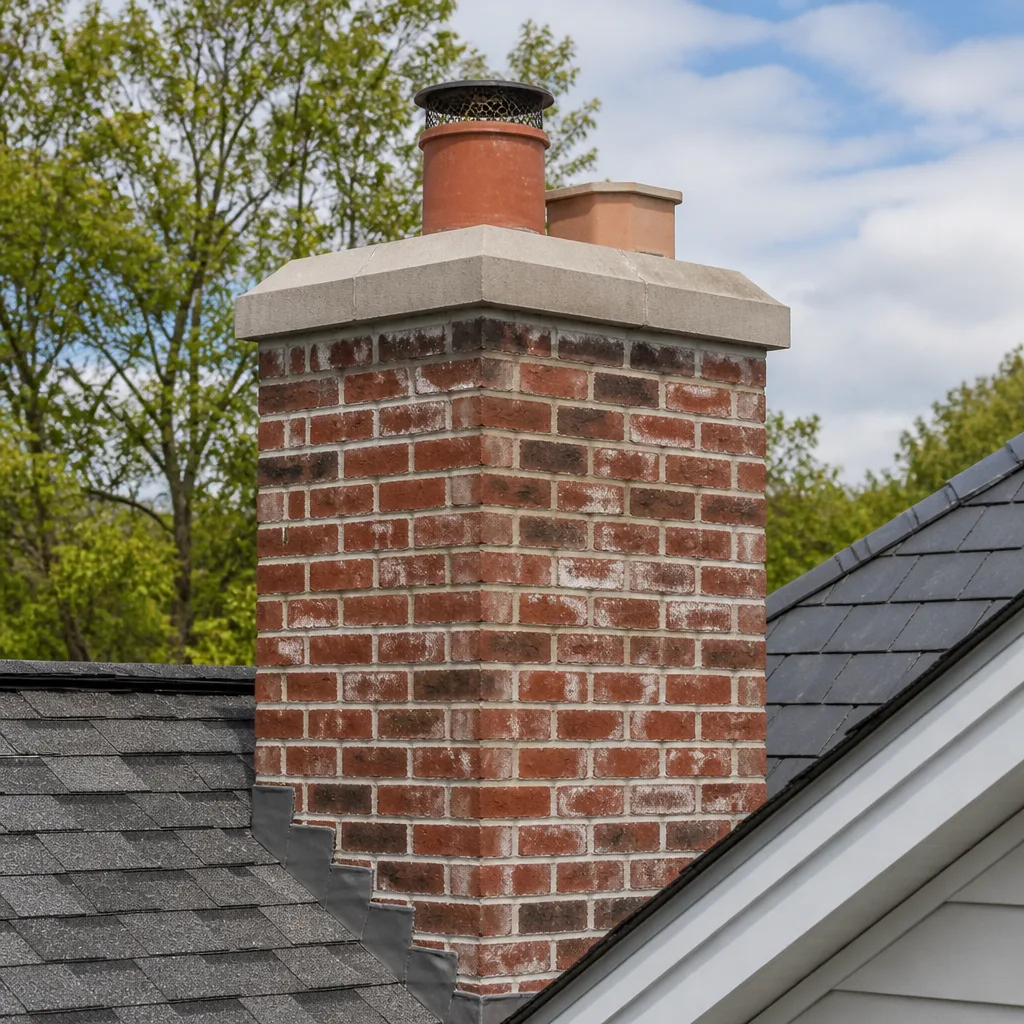 Masonry repair
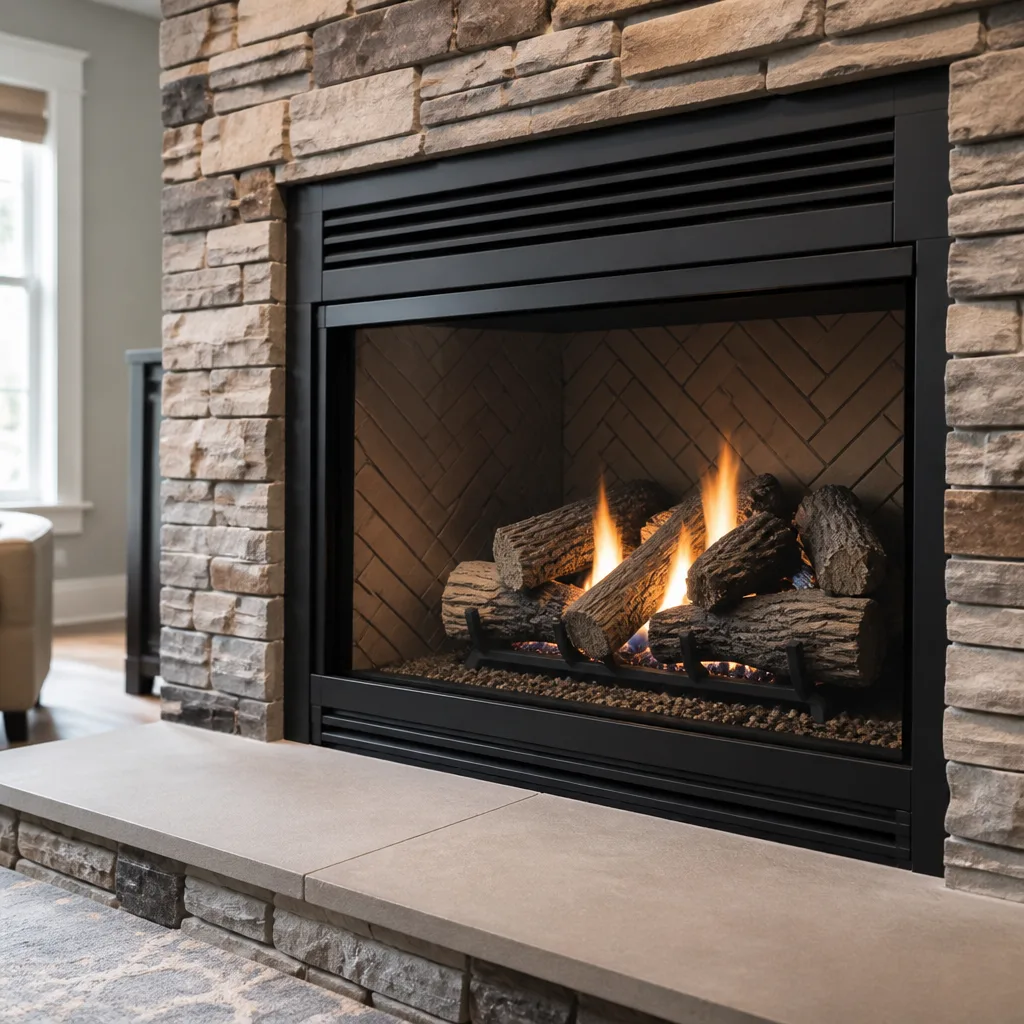 Gas fireplace service
Level 1 sweep and inspection to the NFPA 211 annual standard - flue, crown, cap, and flashing checked and photographed
Chimney sweep logs do not sweep chimneys. They loosen some creosote - which then falls where a brush and vacuum still have to collect it.
Seasonal Chimney Cleaning Care for Eagle Mountain: Year-Round Homeowner’s Guide
Most chimney advice you’ll find online says the same thing: book your sweep in the fall, right before you start burning. In Eagle Mountain, that timing gets the logic backwards. October is when the freeze-thaw cycle is already underway, which means an October sweep cleans a flue that just spent an entire summer collecting UV damage and monsoon moisture with nobody looking at it. The real question isn’t “is my chimney dirty?” It’s “what did last winter do to it, and what will another winter do if I don’t find out?” That shift in timing is what this guide is about. You’ll learn how the Eagle Mountain calendar actually runs, season by season, from the crown down to the firebox.
Quick Answer
Sweep and inspect in spring, not fall. In Eagle Mountain’s climate, freeze-thaw damage shows up in the crown, mortar joints, and flue tiles during the March-to-April swing, and catching it then gives you six months to repair before the next heating season. Fall is for the pre-season sweep, damper check, and confirming the system is ready. Summer is for cap and crown protection before monsoon rain returns.
Styles & brands we work with
- Sweep & inspection
- Caps & crowns
- Flue relining
- Masonry repair
- Gas fireplace service
Table of Contents
- Why Eagle Mountain Chimneys Run on a Different Calendar
- Spring: The Most Important Service Window of the Year
- The Shoulder Seasons: What to Do When You’re Not Burning
- Summer: Cap, Crown, and Animal Intrusion Checks
- Fall: The Pre-Season Sweep and Damper Test
- Winter: Mid-Season Checks You Can Do Yourself
- Signs Your Chimney Needs Attention Right Now
- How to Build a Year-Round Chimney Schedule
Why Eagle Mountain Chimneys Run on a Different Calendar
Eagle Mountain sits high in Utah County, and that altitude changes what a chimney goes through in a year. The heating season starts earlier and lasts longer than it does down in the valley. The freeze-thaw cycle kicks off around October and can reappear as late as April, sometimes in the same week as a warm afternoon. Those swings matter because chimney masonry and mortar absorb moisture, and water expands when it freezes.
The pattern plays out like this: a wet fall storm saturates the crown or a mortar joint. A cold night freezes that moisture, and it expands. The next sunny afternoon thaws it, and it contracts. Repeat that cycle a few dozen times in a season and small cracks grow into open ones, spalled brick faces flake off, and the crown that was sealing the top of the system starts letting water in. Nothing dramatic happens overnight. The damage compounds quietly, and you find out about it either when you look for it or when it turns into a repair bill.
That’s why the standard “clean in the fall” advice doesn’t fit here. A fall sweep is a good habit, but it comes at the end of the damage window. A spring visit catches the winter’s damage while the weather is still moving enough to schedule repairs in sensible conditions.
One more local factor: Eagle Mountain homes sit in a dry, windy, high-altitude environment. Wind drives rain sideways under a bad cap. Sun on unshaded masonry up high bakes moisture out of the surface during the summer but leaves the deeper moisture alone. Both matter when you’re deciding what to inspect and when.
If you’re new to the area or new to a wood-burning home, start with a full chimney sweep and inspection, then use that visit as the baseline for everything else in this guide.
Spring: The Most Important Service Window of the Year
March through April is the strategic service window for an Eagle Mountain chimney, and it’s the visit most homeowners skip. Here’s what a spring inspection is actually looking for:
- Crown condition. Cracks, spalling, or separation between the crown and the flue are the first thing a trained eye checks. The crown is the concrete or mortar cap at the top of the chimney that sheds water away from the masonry. When it’s compromised, everything below it gets wet.
- Mortar joint erosion. Look for recessed, sandy, or crumbling joints between bricks and stones. Freeze-thaw cycles over the winter are what erode them.
- Flue tile integrity. Cracks in the flue tiles are harder to see from the ground but are exactly what a camera inspection is for. A crack in a flue liner is a path for heat and carbon monoxide to reach places they shouldn’t.
- Liner condition. Stainless liners and older clay tiles can both show wear after a hard heating season. A flue with missing or cracked sections needs evaluation before it goes back into service.
- Cap and spark arrestor. A winter of wind can move, dent, or loosen a cap. A displaced cap lets water and animals in.
Spring is also when repairs get scheduled and completed in decent weather, so the system is back to full condition well before the fall. Catching spalled crown work in April means it’s sealed before summer monsoon moisture arrives. Catching cracked flue tiles in April means liner work gets done with a full season of margin.
What a spring visit typically covers
- Exterior inspection from the roofline, including crown, cap, and flashing.
- Interior firebox and damper inspection.
- Camera inspection of the flue to check tile integrity and liner condition.
- Sweep, if the sweep wasn’t already done at the end of the heating season.
- A photo report of anything the camera and inspector found.
- A written recommendation on what needs repair, what can wait, and what to watch.
For a chimney that’s showing active structural issues, spring is the moment to bring in chimney repair before the damage has another wet season to grow.
The Shoulder Seasons: What to Do When You’re Not Burning
The shoulder seasons in Eagle Mountain are the awkward stretches where you’re not running the fireplace but the weather keeps swinging. Late spring and early fall both put a chimney through hot-cold cycles without any fires going. That’s actually a useful period for two things:
- Assessment. Any damage that was hidden by active winter use becomes obvious when the system is quiet. Cracks in the firebox, loose mortar, a chimney that suddenly draws differently on a warm day, all show up more clearly when the fireplace isn’t constantly in use.
- Correction. Masonry repairs, cap replacement, and crown work can be done in milder weather. Sealants and restoration materials cure better in moderate temperatures than they do in either extreme.
There’s also the creosote question. Creosote accumulates on the flue walls from every fire, and it stays there regardless of what the calendar says. If you didn’t sweep at the end of last heating season, the shoulder season is when you find out how much has built up, and how glazed it’s gotten.
If you ever noticed the fire not drafting well the previous winter, or smoke rolling back into the room, don’t write it off as bad wood. That’s a symptom worth investigating in the shoulder season, when the technician can run a proper check without needing to work around active use.
Summer: Cap, Crown, and Animal Intrusion Checks
Summer in Eagle Mountain brings monsoon moisture and one other thing most homeowners don’t think about: animals. An open flue is an ideal nesting spot for birds and squirrels, and a loose cap is exactly the kind of opening they look for. A blocked flue means carbon monoxide has nowhere to go the next time you light a fire. That’s the reason to check the cap and flue for obstructions before fall, not after.
Here’s what summer is for, in a practical sense:
- Check the cap. Is it fully seated, undamaged, and does the spark arrestor screen have any holes? A cap that’s shifted lets rain in at an angle and gives animals a way past it.
- Inspect the crown. Summer is when you can see exactly what winter did to the crown’s surface. Any crack, separation, or spalling is worth sealing now, before the summer rain gets to test it.
- Look for animal evidence. Nesting material, droppings in the firebox, or a flue that smells odd when the fireplace is off are all worth a look.
- Seal the crown. A properly sealed crown sheds water reliably and prevents the freeze-thaw entry point that causes the most structural damage.
- Check flashing. Roof flashing at the chimney base is another common entry point for water. Loose or lifted flashing is easy to miss and easy to fix.
For the crown work itself, we use products designed for the job, including Gelco and Famco crown and cap systems. These are made for chimney weather protection, not general-purpose masonry sealant, and they hold up better to Eagle Mountain’s UV load and temperature swings than a substitute would.
If your summer inspection turns up cracked or spalling crown sections, that’s the exact reason we keep fireplace repair in the same visit window as chimney repair. One team handles diagnosis and correction, so nothing gets handed off.
Fall: The Pre-Season Sweep and Damper Test
Fall is when the pre-season sweep belongs, not because it’s the most important visit of the year, but because it’s the last one before the system goes back into regular use. Here’s what a good pre-season check should cover:
- Sweep the flue. Remove the creosote from last winter’s fires so the new season starts with a clean flue.
- Test the damper. The damper should open and close cleanly. A sticking or rusted damper affects draft and can leave the fireplace burning poorly.
- Confirm the cap and crown. A quick re-check that the summer repairs are still intact and the cap is secure.
- Check the firebox. Look for loose mortar, cracked bricks, and any sign the firebox has moved or shifted.
Seasoning fire vs. service call: which first?
Some homeowners like to build a small “seasoning fire” in the fall to test the draft and warm the flue. That’s fine, but only if the system was inspected earlier in the year. A seasoning fire on an uninspected chimney puts smoke into a flue that hasn’t been checked for cracks, obstructions, or animal nesting, and that’s exactly the scenario where people end up with smoke in the room or carbon monoxide trouble. Sweep and inspect first, then test. If anything flagged on the inspection hasn’t been corrected yet, don’t build the fire at all until it is.
One more note for Eagle Mountain: the altitude means air is thinner and fires can draw differently from what a homeowner experienced at lower elevation. If your draft feels weak on the first fire of the season, don’t chalk it up to that. A quick damper and flue check answers it.
For a full procedure-driven visit that covers all five of our service lines in one call, Chimney Sweep Eagle Mountain handles the sweep, inspection, and any repair it uncovers without a second contractor.
Winter: Mid-Season Checks You Can Do Yourself
Once the heating season is running, your job is observation, not inspection. You’re looking for changes from how the system behaved in the fall. When any of the following appears, don’t wait until spring to call.
- Smoke roll-back into the room. A fire that used to draft cleanly and now puts smoke into the living space is a change worth a call.
- Reduced draft. The fire is sluggish, hard to start, or the smell of smoke lingers after the fire is out.
- Creosote smell in the room, even when the fireplace is off. That usually means buildup has reached a point where it’s giving off odor, or there’s a new obstruction.
- Visible cracks or shifting mortar in the firebox. Loose pieces of mortar on the firebox floor, or bricks that have moved, are a stop-burning signal.
- Water stains or damp smell around the chimney. This means moisture is finding a path in.
- Any unusual sound from the flue. A rattle or scrape can mean a loose liner section or an animal.
One critical safety point: creosote is flammable, and the heavier and more glazed it gets, the more it takes to ignite. A chimney fire can go undetected and do real damage to the flue and surrounding structure. Carbon monoxide is another real risk when a flue is blocked, cracked, or poorly drafting. This is why the fall sweep and the annual inspection exist, and why a mid-season change is worth a call rather than a wait-until-spring decision.
Signs Your Chimney Needs Attention Right Now
Not every problem can wait for a scheduled window. Some signals mean stop burning and get eyes on the system. Here’s a short priority list:
- Smoke in the room. Stop burning and call. This points to a blocked or damaged flue or a damper problem.
- A carbon monoxide alarm going off. Evacuate per your alarm instructions and don’t relight until a professional has checked the flue and venting.
- Visible white or black staining on exterior masonry. Both point to moisture or smoke escaping where it shouldn’t.
- Pieces of tile, mortar, or metal in the firebox. That’s material coming off the liner or firebox assembly.
- Cracks in the firebox that pass through the brick. Surface crazing is one thing. A crack that goes through the brick is a different matter.
- A strong creosote smell through the house, even with the fireplace closed. Worth a call, especially if you haven’t been swept this season.
Firebox and flue work dealing with high heat and combustion byproducts is not a homeowner DIY job. Getting the diagnostic right is what keeps a small issue from turning into a real hazard.
How to Build a Year-Round Chimney Schedule
Here’s a simple calendar framework for an Eagle Mountain wood-burning home. It’s a starting template, not a rigid rule. Homes with heavy use, older flues, or gas appliances may need more frequent checks:
- Spring (March-April): Full inspection including camera work on the flue, exterior check on crown and cap, sweep at end of heating season, and written recommendations.
- Shoulder season (May and September): Complete any recommended repairs. Schedule crown work, liner work, or firebox repairs in moderate weather.
- Summer (June-August): Cap and crown inspection, animal intrusion check, seal any crown cracks before monsoon moisture returns. Verify flashing.
- Fall (October): Pre-season sweep, damper test, firebox check, final confirmation that summer repairs are holding.
- Winter: Observe the fire and flue during use. Call if anything changes.
Some jobs fit that pattern more easily than others. Liner work is one. If your spring inspection shows a failing flue, our technicians can install a flexible stainless liner from DuraFlex in the same service visit window rather than pushing it into a separate appointment. For moderate cases where the flue tile is cracked or deteriorating but the structure is intact, HeatShield flue resurfacing can restore the liner without a full replacement. That option is one most sweep-only services can’t offer, and it’s a real reason a spring inspection is worth the call.
Cap work fits the summer window for the same reason. We use Olympia Chimney caps for long-term protection, and getting the cap seated and sealed before the fall is what keeps rain and animals out of a flue that’s now ready for the heating season.
Common Mistakes to Avoid
- Sweeping in the fall only. A fall-only sweep cleans the flue but doesn’t tell you what winter did to the crown, mortar, or flue tiles. Spring is when those findings show up.
- Assuming the crown is fine because the chimney is “only” a few years old. Age isn’t the measure. One hard freeze-thaw winter on a poorly sealed crown can do more damage than several mild winters.
- Skipping the cap because “nothing’s gotten in yet.” The cap’s job is to prevent intrusion, not respond to it. An open flue is a standing invitation for animals, rain, and eventually a blockage.
- Lighting a “test fire” before being swept. A seasoning fire is useful on a checked system. On an unchecked one, it’s a fire in a flue nobody has looked at since last winter.
- Treating cracks in the flue tile as cosmetic. A cracked flue tile creates a path for heat and carbon monoxide to reach framing and the interior of the home. That’s not cosmetic.
- Waiting to schedule repairs until the damage is obvious from the ground. By the time a crown failure or a liner issue is visible from the driveway, the repair is usually bigger than it needed to be.
- Mixing seasons on one system. If you only ever call in fall, your summer cap and crown work never gets done, and your winter damage never gets caught before it compounds. Year-round coverage is the point.
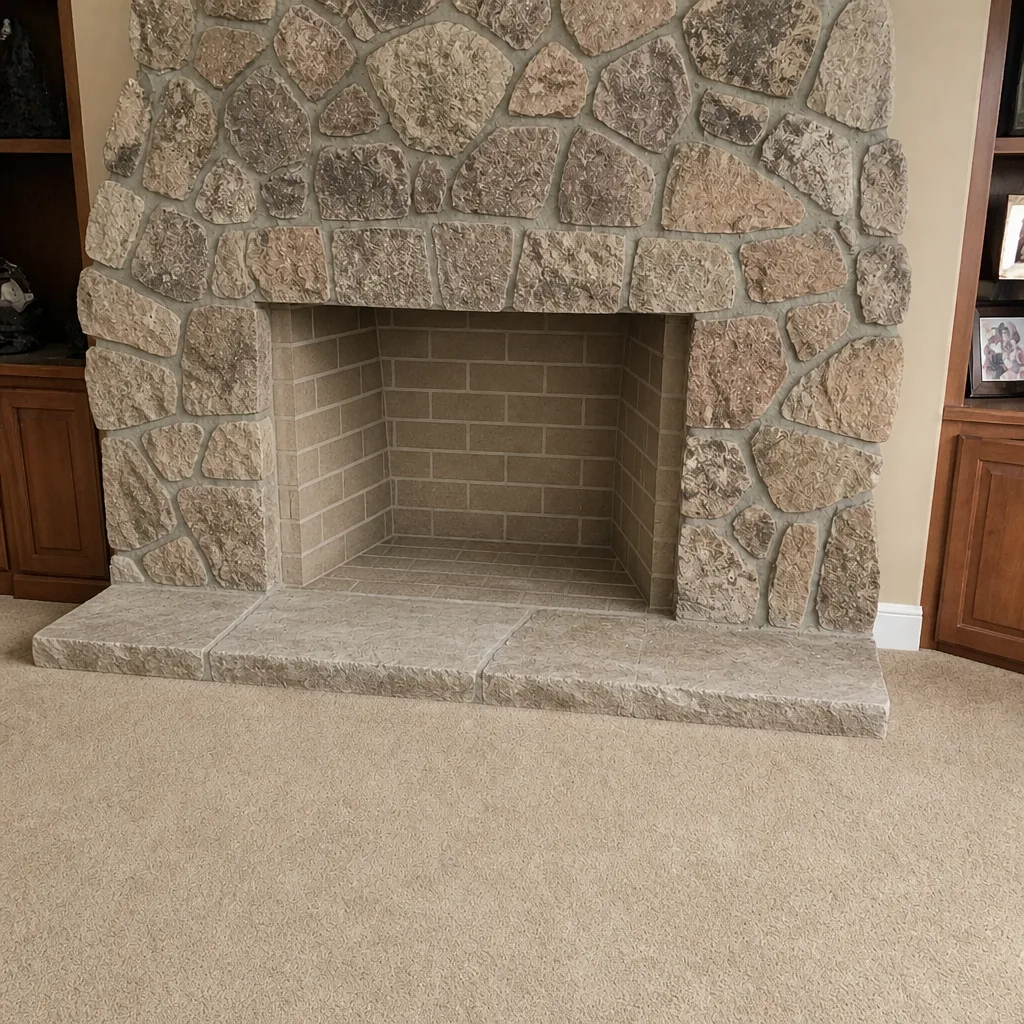
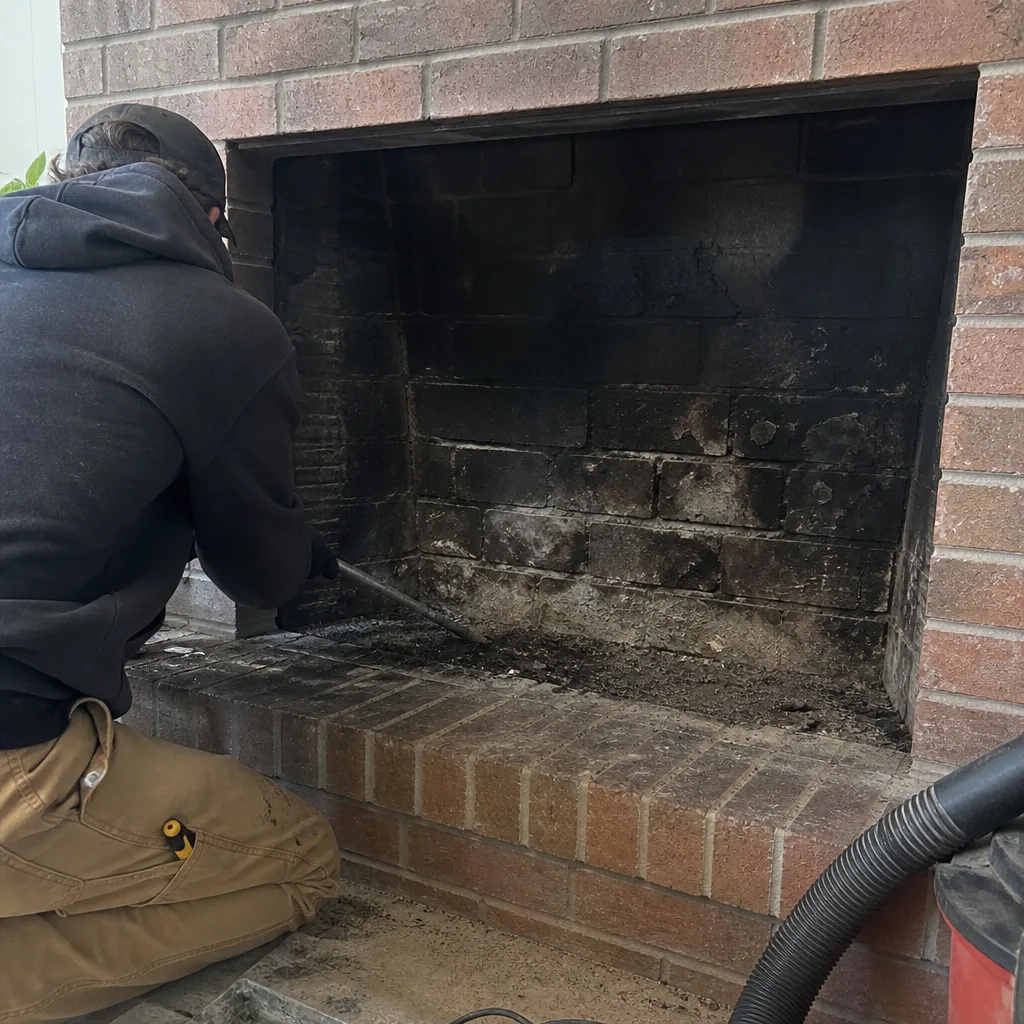
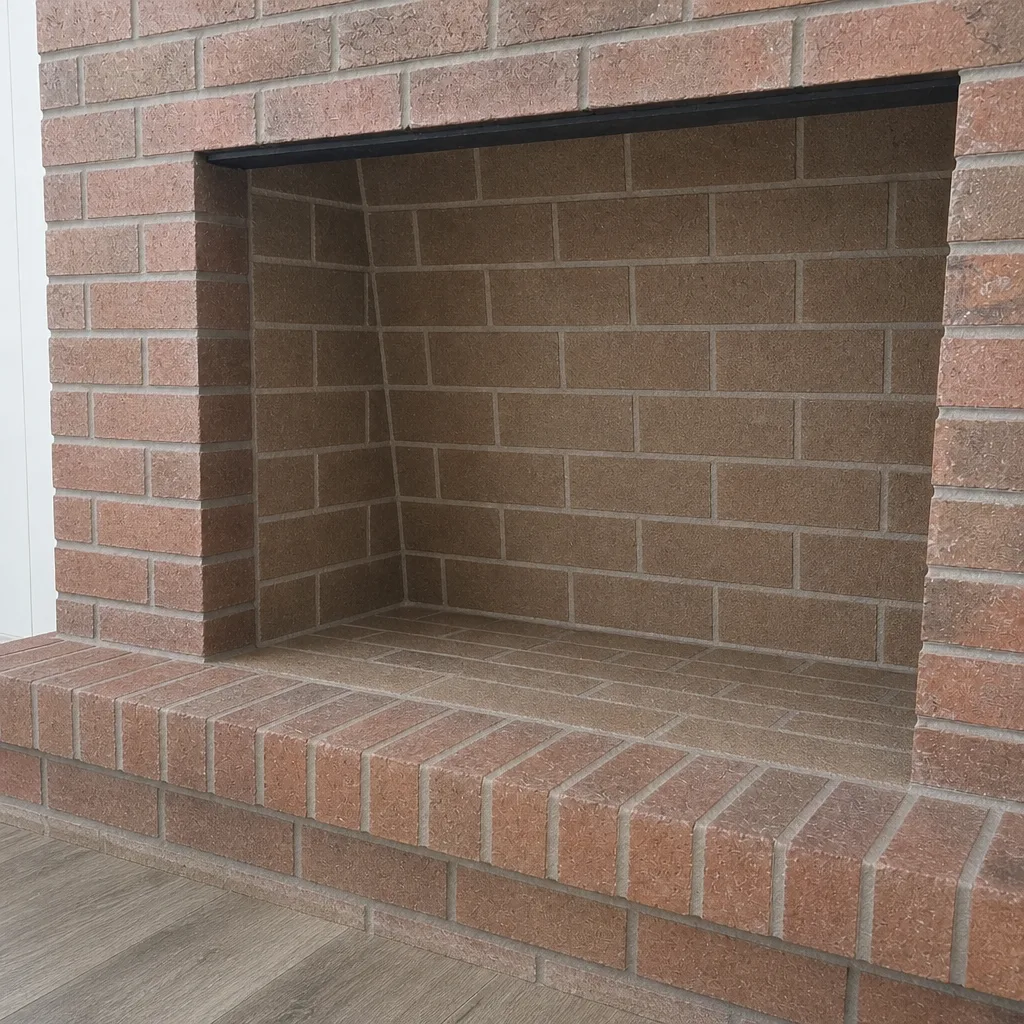
See the difference
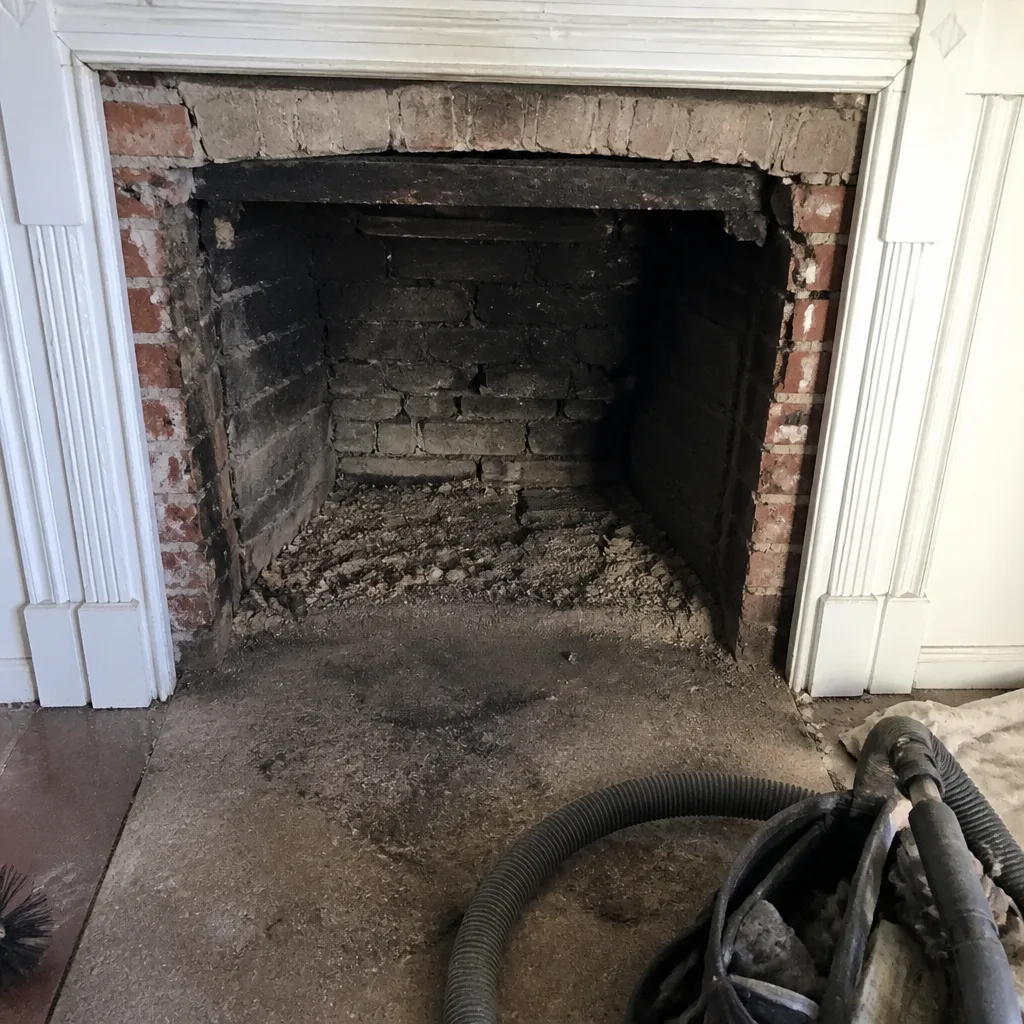 Before
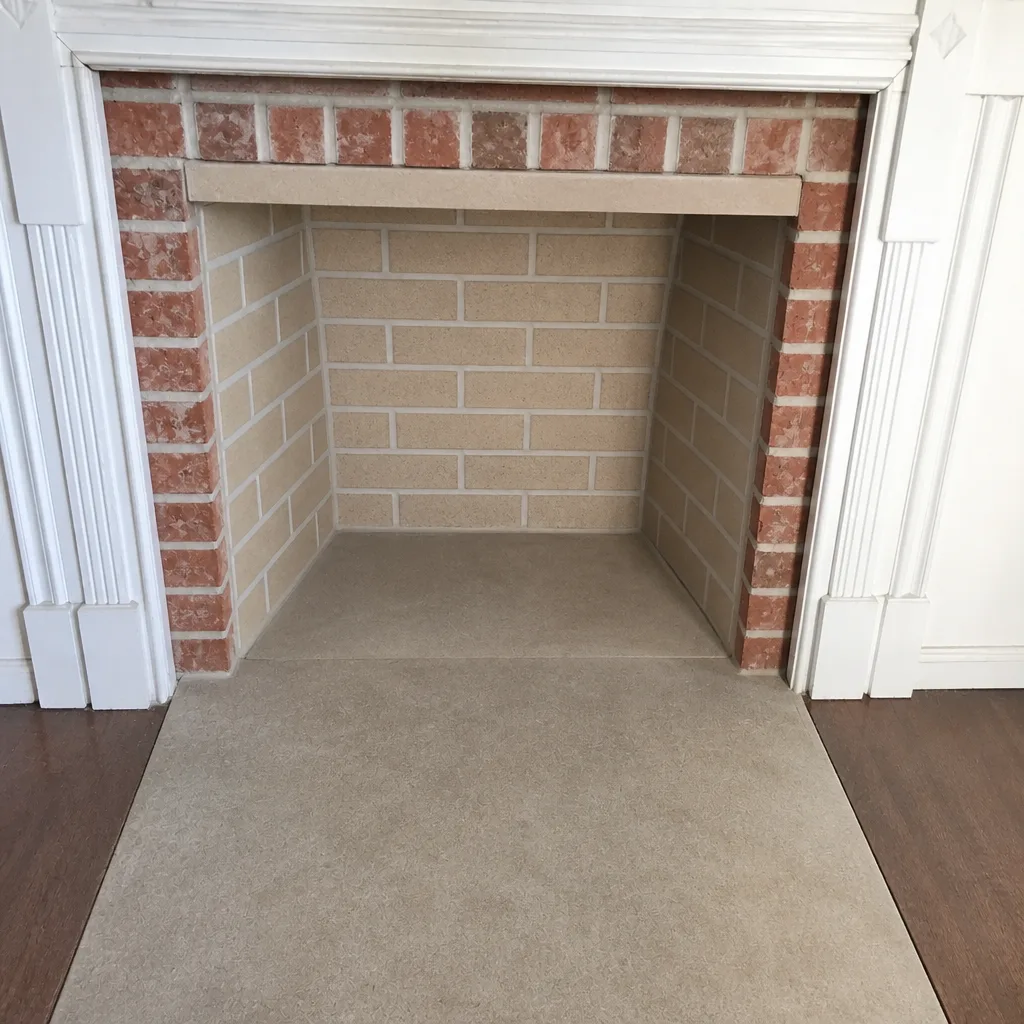 After
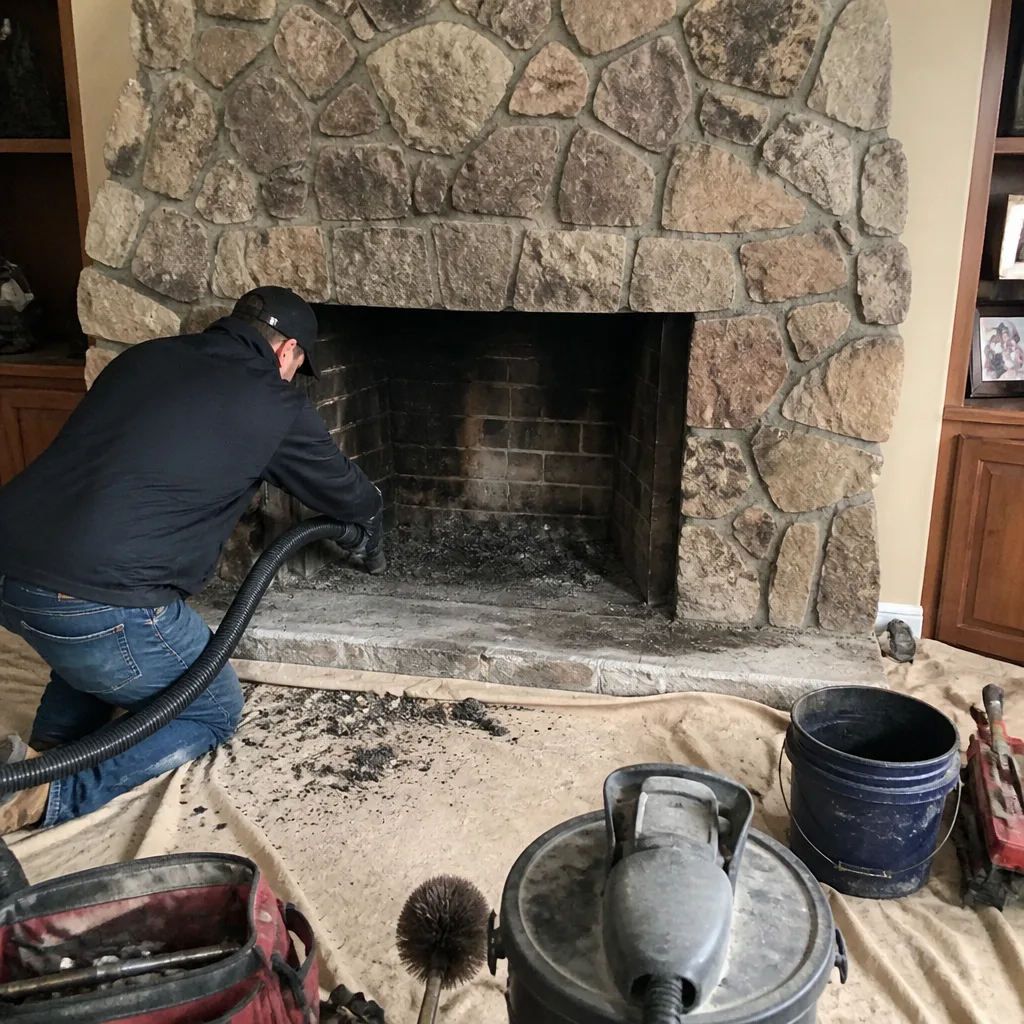 Before
 After
 Before
 After
When to Call a Professional
Call a professional if the firebox or flue has visible cracks, if smoke rolls back into the room during use, if a carbon monoxide alarm goes off, if you see white or black staining on exterior masonry, if the firebox has pieces of tile or mortar in it, or if it’s been a full heating season since the last sweep. Don’t relight a fire you’re unsure about. In our experience, the homeowners who avoid costly problems are the ones who treat the spring inspection as the main event and the fall sweep as a follow-up, not the other way around. Chimney Sweep Eagle Mountain offers free estimates in Eagle Mountain at (844) 948-2069. Our technicians have up to 9 years of experience, and inspections come with a camera report and photo evidence so you see what we see. We answer 24/7. Fast dispatch from 7am to 7pm, Sunday through Friday.
Frequently Asked Questions
Spring for the inspection, fall for the pre-season sweep. Eagle Mountain’s freeze-thaw cycle runs from roughly October through April, so a spring inspection catches winter damage to the crown, mortar, and flue tiles while there’s still time to repair before the next heating season. A fall sweep makes sure the system is clean before regular use begins. Call (844) 948-2069 for an exact quote. Estimates are free.
Once per heating season for most wood-burning homes, and more often if you burn frequently or use unseasoned wood. Gas fireplaces typically need an annual inspection even if they don’t need a sweep. A good rule: sweep and inspect every year, and use the spring inspection to catch the problems the fall sweep won’t reveal. Call (844) 948-2069 to schedule one.
A full inspection covers the crown, cap, flashing, mortar joints, flue tiles, firebox, damper, and venting pathway from the top of the chimney to the firebox. A camera inspection of the flue is what reveals cracks and liner condition you can’t see from the ground. If the crown or flue shows damage, we’ll recommend repair options and explain in plain terms what can wait and what can’t. Call (844) 948-2069 for an exact quote. Estimates are free.
It depends on what the camera finds. A cracked or deteriorating flue liner that’s structurally intact can sometimes be resurfaced with HeatShield rather than replaced. A liner with missing sections or clearance failures usually needs a new flexible stainless liner, which our technicians install from DuraFlex. The inspection report is what tells you which case you’re in, and you’ll see the photos before any recommendation is made. Call (844) 948-2069 and we’ll walk you through it.
That smell usually means creosote buildup has reached a point where it’s giving off odor, or there’s an obstruction in the flue, or the damper isn’t sealing properly. Warm days with a cool chimney can reverse the draft and pull the smell into the house. It’s a signal to get the system looked at, not a signal to ignore. Call (844) 948-2069 to book an inspection. Our fast dispatch runs from 7am to 7pm, Sunday through Friday.
Creosote keeps accumulating, and heavier glazed creosote is more flammable and harder to remove. In the meantime, small cracks in the crown, mortar, and flue tiles keep growing through freeze-thaw cycles and summer moisture, so the repair grows with them. The safety side is real too: a blocked or cracked flue is a path for carbon monoxide. Skipping a year doesn’t always cause a problem, but it removes the chance to catch one early. Call (844) 948-2069 for a free estimate.
The Bottom Line
The Eagle Mountain chimney calendar doesn’t run on the standard fall-cleaning schedule. It runs on spring inspection, shoulder-season repair, summer cap and crown work, fall pre-season sweep, and winter observation. That order exists because the local freeze-thaw cycle runs through April, and any damage it caused needs to be found and repaired before the next wet season. Sweeping in the fall is still worth doing, but it’s the confirmation step, not the main event. From the crown to the firebox, the whole system works best when it’s checked on the timeline the climate actually sets, not the one the generic advice assumes.
If you’re ready to set up a year-round schedule, Chimney Sweep Eagle Mountain handles the full system: sweep, inspection, fireplace repair, chimney repair, cap and crown, and liner work, using professional brands like HeatShield, DuraFlex, Gelco, Olympia Chimney, and Famco. Call (844) 948-2069 for a free estimate. We answer 24/7. Fast dispatch from 7am to 7pm, Sunday through Friday.
Written by the team at Chimney Sweep Eagle Mountain.