
Last updated November 24, 2026
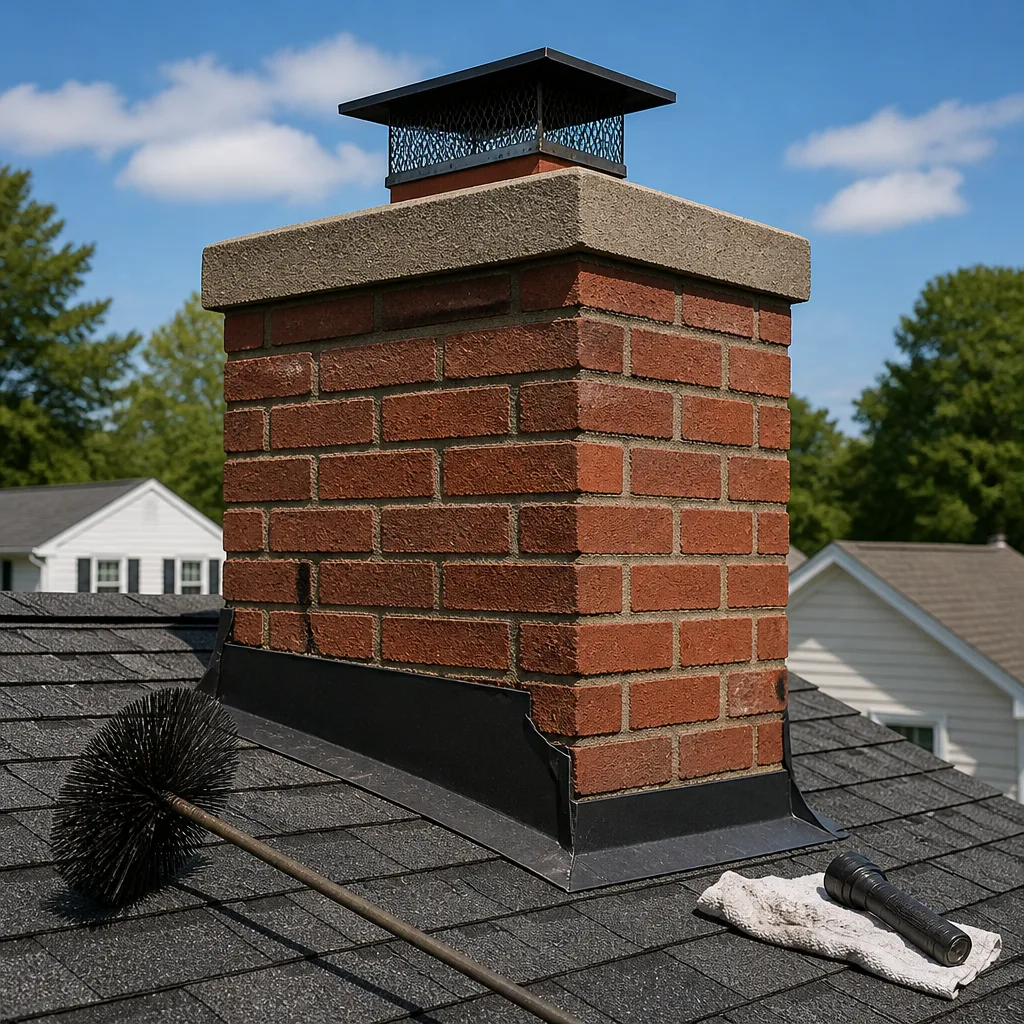 Sweep & inspection
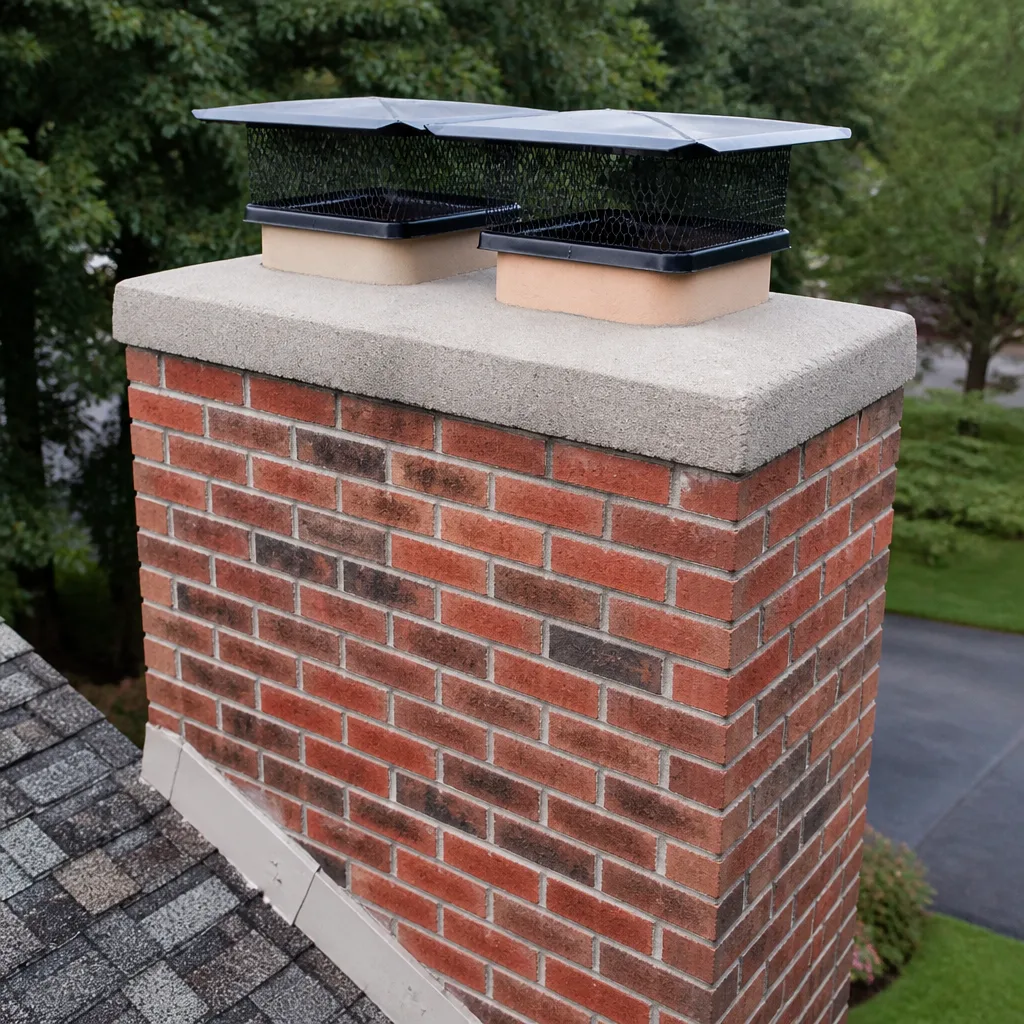 Caps & crowns
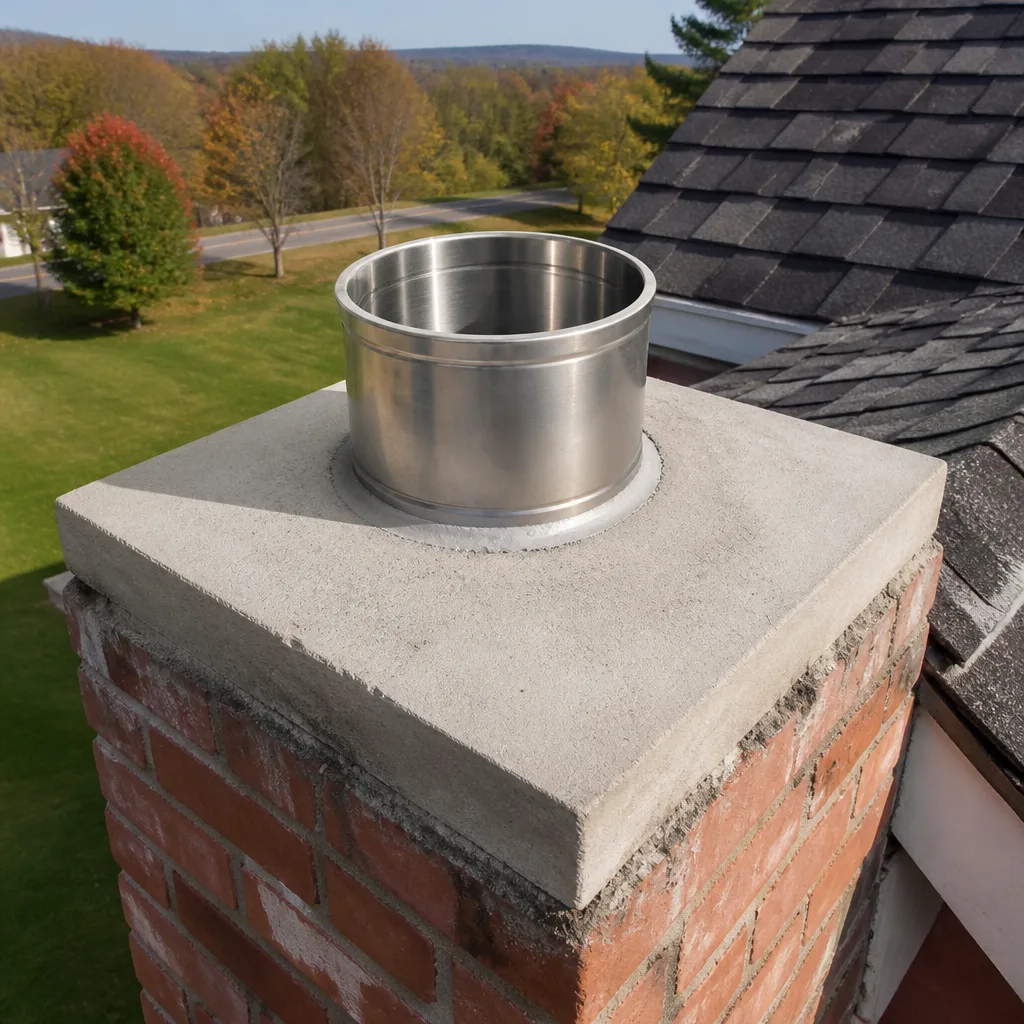 Flue relining
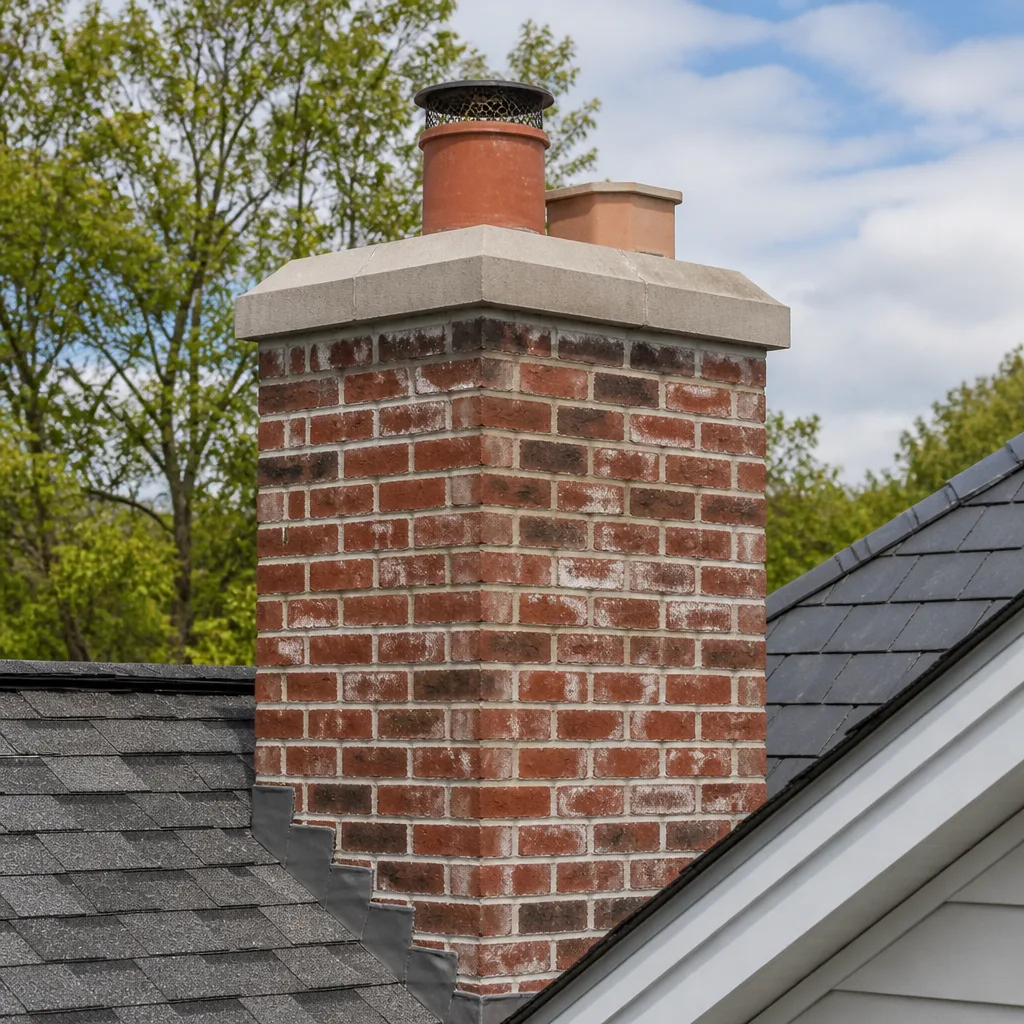 Masonry repair
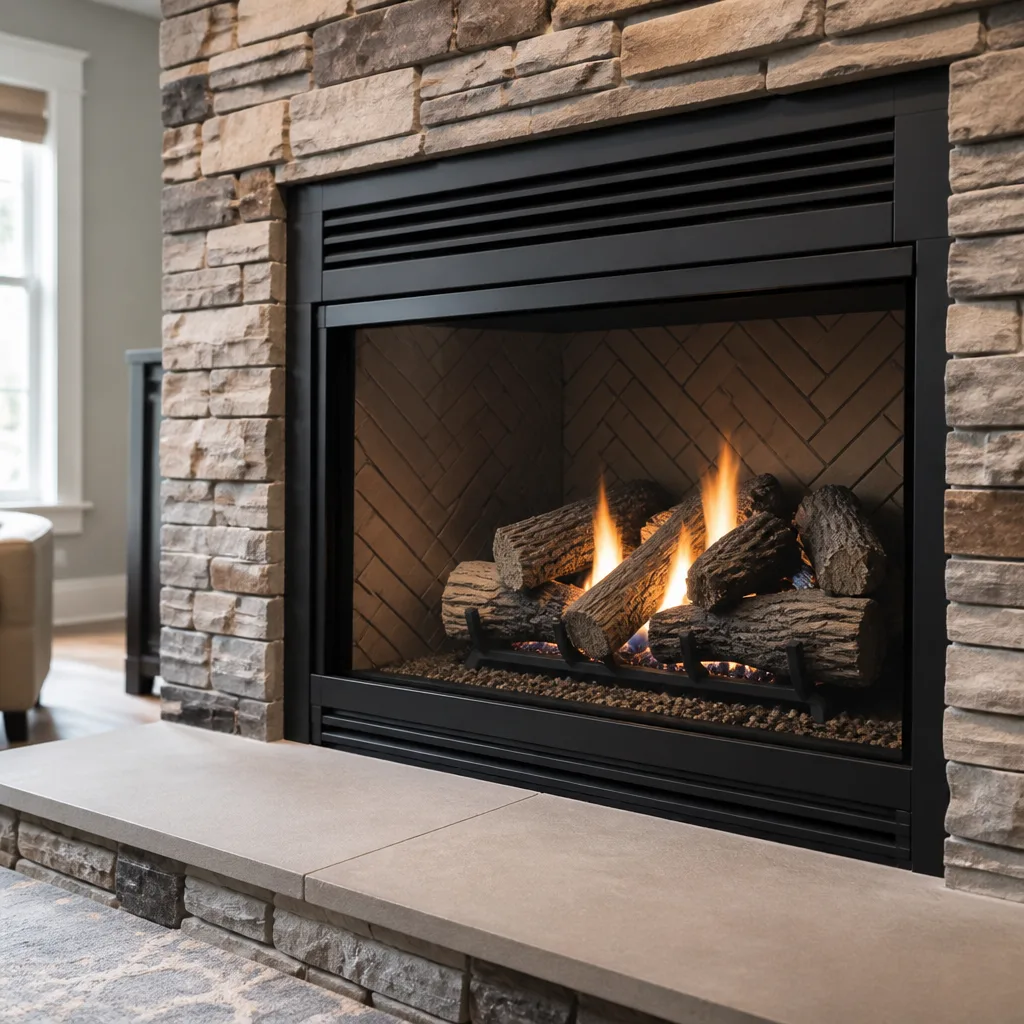 Gas fireplace service
Level 1 sweep and inspection to the NFPA 211 annual standard - flue, crown, cap, and flashing checked and photographed
Chimney sweep logs do not sweep chimneys. They loosen some creosote - which then falls where a brush and vacuum still have to collect it.
Chimney Cleaning Permits, Codes & Inspections in Eagle Mountain, UT: What You Need to Know
A chimney cap replacement doesn’t need a permit. A new flue liner installation does. The confusion between those two categories has caused real problems for Eagle Mountain homeowners trying to sell a house where unpermitted work shows up on an inspection report. A routine sweep is maintenance, and maintenance almost never crosses into permitted territory. But the repairs that follow a bad inspection often do, and the line between the two isn’t obvious to most homeowners. This guide draws that line clearly for Eagle Mountain, covering what Utah residential code actually requires, how NFPA 211 and the IRC apply to your chimney, what “passing a Level 2 inspection” means during a real estate transaction, and how to handle the permit question for common post-inspection repairs.
Quick Answer
In Eagle Mountain, a routine chimney cleaning does not require a permit because it is maintenance, not alteration. Permit requirements kick in when work changes the structure or function of the chimney system, including new liner installation, firebox rebuilds, damper replacement that alters the flue, and any masonry rebuild. Home sales in Utah County typically trigger a Level 2 inspection, and inspectors reference NFPA 211 and IRC Section R1001 when evaluating a chimney. If you’re unsure which category your job falls into, ask before work starts.
Styles & brands we work with
- Sweep & inspection
- Caps & crowns
- Flue relining
- Masonry repair
- Gas fireplace service
Table of Contents
- Maintenance vs. Permitted Work: Where Eagle Mountain Draws the Line
- How NFPA 211 and IRC Section R1001 Apply to Your Chimney
- What “Passing a Level 2 Inspection” Means in a Utah County Home Sale
- The Permit Process for Common Post-Inspection Repairs
- How Unpermitted Chimney Work Surfaces and What Remediation Looks Like
- Why Eagle Mountain Chimneys Face Specific Code Pressure
- The Three Inspection Levels and When Each Applies
- Small Repairs That Don’t Need a Permit (But Still Need Doing)
Maintenance vs. Permitted Work: Where Eagle Mountain Draws the Line
The permit question comes down to one principle: does the work change the chimney system, or does it clean and protect what’s already there?
A sweep removes creosote. A cap replacement covers the flue. Neither alters the structure or function of the chimney, so neither triggers a permit under Utah residential code. Most jurisdictions, including those in Utah County, treat this kind of routine upkeep as homeowner maintenance. When we work in Eagle Mountain, this is the bulk of what we do, and it’s specifically why a sweep belongs on an annual schedule rather than a project list.
Permitted work looks different. It involves altering the system itself, and the categories most likely to come up are:
- Liner replacement or installation. A new stainless liner, whether flexible or rigid, changes the flue’s composition and must meet modern clearance and draft standards.
- Firebox rebuilds. Rebuilding the firebox alters a structural component of the chimney, which is why it lands in permitted territory.
- Damper replacement when it affects the flue. A simple top-sealing damper swap may not require a permit, but any damper work that modifies the flue assembly typically does.
- Masonry rebuilds and structural work. Rebuilding a chimney stack or repairing significant structural damage crosses this line every time.
- New chimney construction. A chimney added to a home, or a new appliance connection to an existing flue, requires a permit and inspection.
The trap many Eagle Mountain homeowners fall into is assuming an inspection finding equals a permit job. Sometimes it does. Sometimes the fix is a crown repair or a HeatShield liner restoration, which resurfaces the existing flue rather than replacing it. Each repair needs a specific determination on the permit question, and the answer isn’t always obvious.
The safest approach: ask your contractor to state explicitly whether a permit is required before work begins. A chimney repair professional who handles permitted work regularly will know the answer without guessing.
How NFPA 211 and IRC Section R1001 Apply to Your Chimney
Two standards govern the chimney on your Eagle Mountain home, and they overlap enough that understanding both helps you talk to a contractor or an inspector without feeling lost.
NFPA 211 is the National Fire Protection Association’s standard for chimneys, fireplaces, vents, and solid fuel-burning appliances. It’s the reference document for how a chimney should be constructed, how much clearance is needed from combustibles, what constitutes a safe flue, and how inspections should be performed. When your inspector references “a Level 2 inspection per NFPA 211,” they’re pointing to this document as the standard for evaluation.
IRC Section R1001 is the International Residential Code’s chapter on chimneys and fireplaces. It picks up where NFPA 211 leaves off and addresses how a chimney integrates with a residential structure – clearances, foundation, masonry construction, and flue sizing. Many jurisdictions adopt the IRC locally, so R1001 becomes the actual code for compliance purposes.
What inspectors actually check
During a home sale inspection or a code review, the following elements get the most attention:
- Liner condition and whether a continuous flue exists from appliance to termination
- Clearances between the chimney and combustible materials
- Crown integrity and whether water is being directed away from the masonry
- Cap presence and function
- Firebox condition and whether any crack compromises the containment
- Flue sizing relative to the appliance connected to it
You’ll notice that creosote buildup doesn’t appear in that list. Code and NFPA 211 both treat creosote as a maintenance concern, not a structural one. That’s why a chamney sweep is not a permitted activity – it’s the cure for a condition the code doesn’t regulate directly, only by prescribing that the flue be kept clean. A well-maintained chimney sweep schedule is what keeps your system compliant between inspections.
What “Passing a Level 2 Inspection” Means in a Utah County Home Sale
A Level 2 inspection is a chimney evaluation performed with video scanning equipment, and “passing” means the chimney meets NFPA 211 standards for continued use – not that it’s in perfect cosmetic condition.
The National Fire Protection Association defines three inspection levels. A Level 1 is a visual check appropriate for routine annual maintenance. A Level 2 adds a camera-based inspection of the flue interior and is required during a property transfer, after a chimney fire, or after any change in fuel type or appliance. A Level 3 goes further, opening concealed areas for evaluation, and it’s typically only needed when a Level 2 uncovers something that requires direct access to evaluate.
In Utah County real estate transactions, Level 2 inspections are the standard expectation. When a buyer’s inspector flags the chimney, the findings usually fall into one of three buckets:
- Condition flags. Creosote buildup, minor masonry cracks, a missing cap. These are repair items, not failures, and they don’t block a sale.
- Defect flags. A cracked flue tile, inadequate clearance, or a compromised crown. These require correction and, depending on scope, may require a permit.
- Safety flags. A deteriorated liner with gaps, evidence of a previous chimney fire, or carbon monoxide risk indicators. These stop the sale until resolved, which is why they’re rarer and the most expensive to ignore.
What “passing” means in practice: the inspector can document that the flue is continuous, clearances are adequate, and the chimney is suitable for continued use. It doesn’t mean every tile is new or the crown is pristine. A HeatShield liner restoration, for example, can bring a deteriorating flue back to a passable condition without full liner replacement, which is one reason we offer it in Eagle Mountain. The liner restoration brings the flue back to a condition that meets standards – it doesn’t just hide a problem.
When a sale is pending, get the inspection performed with camera documentation. The photo report matters as much as the pass/fail verdict, because the buyer’s inspector will want to see the evidence.
The Permit Process for Common Post-Inspection Repairs
When a Level 2 inspection finds a defect, the repair may require a permit from the local building authority. Here’s how the process generally works for the three repairs we see most often in Eagle Mountain.
Flue liner installation
A new stainless liner, such as a DuraFlex flexible liner, changes the flue assembly and almost always requires a permit. The process typically involves:
- Get the estimate and permit scope in writing. Your chimney repair professional should state clearly that a permit is required and include the permit in the job scope.
- Submit to the local building authority. In Eagle Mountain and the surrounding Utah County jurisdictions, the permit application goes to the municipal building department serving the property.
- Confirm the schedule. Permit timelines vary by jurisdiction, so confirm with the building authority before scheduling installation around a closing date.
- Schedule the inspection. Once the liner is installed, the inspector verifies the installation meets code and NFPA 211 clearances.
- Close the permit. A closed permit is the documentation that protects your sale, and it’s the document that shows up in title records as a completed, approved project.
Firebox rebuilds
A firebox rebuild is structural work and typically requires a permit. The process follows the same general flow: scope, application, work, inspection, closure. Firebox rebuilds in older Eagle Mountain homes sometimes reveal additional issues – masonry spalling, inadequate clearance – that expand the job scope. Get the permit before the work, not after, and the expanded scope stays inside the approved permit.
Damper replacements
Damper work falls on either side of the line depending on scope. A direct replacement of a top-sealing damper component may not require a permit. Any damper work that modifies the flue assembly, changes the venting path, or connects a new appliance typically does. When in doubt, ask the building department. A quick call to the jurisdiction saves a long headache later.
We install and service Olympia Chimney and Copperfield dampers as part of our system-wide approach, and we’ll tell you upfront which jobs in Eagle Mountain require permits and which don’t.
How Unpermitted Chimney Work Surfaces and What Remediation Looks Like
Unpermitted chimney work usually doesn’t surface during a routine sweep. It surfaces during a title search, a home inspection, or an insurance review, and by then the work is finished and the paper trail is blank.
Here’s how it tends to show up:
- Title search. When a lien search or title search turns up no permit record for a structural change like a liner installation or firebox rebuild, the buyer’s inspector may flag the work as unverified.
- Home inspection. A visual or Level 2 inspection that shows a new liner without a permit record raises the question of whether the installation met code.
- Insurance claim. If a chimney fire or carbon monoxide issue arises and the carrier discovers the chimney was altered without a permit, coverage can become complicated.
- Resale negotiations. Unpermitted work becomes a bargaining chip against the seller, sometimes at a cost that dwarfs what the permit would have cost in the first place.
Remediation is straightforward in process, though not always in cost. The typical path is:
- Document what’s there. A Level 2 inspection produces camera evidence of the existing installation.
- Apply for an after-the-fact permit. Most jurisdictions allow this, though the process can include inspection of the existing work and, occasionally, correction of anything that doesn’t meet code.
- Correct any deficiencies. If the original installation failed on clearances, liner connection, or crown sealing, those items get corrected before the permit closes.
- Complete the inspection. The building authority inspects and, if it passes, closes the permit.
The lesson: a permit isn’t a formality you can skip and fix later. It’s the paper that makes a future sale, an insurance review, and a code inspection uncomplicated. We tell Eagle Mountain homeowners that a permitted repair from the start is cheaper than an after-the-fact one for the same reason a clean chimney sweep is cheaper than a post-fire restoration.
Why Eagle Mountain Chimneys Face Specific Code Pressure
Eagle Mountain sits in Utah County at the high desert edge, and that geography shapes how chimneys perform and what code compliance means in practice.
The town has grown fast, and a lot of the housing stock is newer construction. That changes the maintenance pattern. Newer homes tend to have chimney systems built to current code, with factory-built or stainless configurations that are easier to inspect. Older homes on larger lots often carry masonry chimneys with the kinds of issues code and NFPA 211 were written to address. Both types need the same annual sweep, but the permitted-work profile differs.
The local climate is a factor too. Eagle Mountain gets a real winter with temperature swings that stress masonry, a long heating season that builds creosote quickly, and spring moisture that finds every weak point in the crown and cap. A crown that fails over winter starts water intrusion that ends up as a crack in the flue and a Level 2 inspection finding the following spring. Our soil is also expansive and shifts with moisture cycles, which can affect masonry foundations over time – one reason a chimney repair schedule matters as much here as a sweep schedule.
All of that combines into a pattern: Eagle Mountain chimneys get used hard, fail at their top and liner first, and tend to need permitted work sooner than homeowners expect. That’s why we push full-system service – the sweep, the inspection, and the cap and crown work that keeps water out. A licensed and insured local pro handles the permitted scopes in Eagle Mountain, and our role is to connect you with them and to walk you through what work is needed and why.
The Three Inspection Levels and When Each Applies
Understanding inspection levels helps you know which one to ask for, and it prevents a common Eagle Mountain mistake: asking for a Level 1 sweep when what you actually need is a Level 2 evaluation.
Level 1 inspection
A Level 1 is a visual check with accessible parts of the chimney and appliance. It’s the standard annual inspection and pairs naturally with a routine chimney sweep. It’s appropriate when the chimney hasn’t changed and no problems are suspected. Most Eagle Mountain homeowners only ever need this one.
Level 2 inspection
A Level 2 adds video camera evaluation of the entire flue interior and a closer look at accessible attic and crawl space areas. It’s required during a real estate transaction, after a chimney fire, after a change in fuel type or appliance, or when a Level 1 turns up something requiring a closer look. In Utah County home sales, this is the inspection that appears on the report. A Level 2 by a technician who can show you the camera footage is the standard we hold ourselves to.
Level 3 inspection
A Level 3 involves opening concealed areas – cutting into walls or removing masonry – to evaluate conditions the other two levels can’t reach. It’s requested only when a Level 2 finds a specific condition that requires direct access to assess. It’s rare, but when it’s needed, it’s needed.
If you’re not sure which inspection your situation calls for, ask your inspector to state the level and the reason. The answer should match the scenario, not a sales pitch.
Small Repairs That Don’t Need a Permit (But Still Need Doing)
Permitted work grabs all the attention, but a lot of what protects an Eagle Mountain chimney falls on the maintenance side – no permit, no inspection, just a schedule and a crew who shows up. These aren’t optional. They’re the reason your chimney passes the next Level 2.
- Chimney cap replacement. A missing or damaged cap lets water, animals, and debris into the flue. Replacement does not require a permit and is one of the highest-value repairs in a chimney system. We install cap and crown products from Gelco and Famco, engineered for weather protection.
- Crown repair. The crown is a masonry slab on top of the chimney that sheds water away from the stack. A cracked crown is the beginning of a structural problem, and crown repair or replacement falls on the maintenance side.
- HeatShield liner restoration. A deteriorated or cracked flue liner can sometimes be restored with HeatShield resurfacing rather than full replacement. It’s a specialized repair, and because it resurfaces the existing liner rather than altering the system, it often avoids the permit that a replacement would require. We apply HeatShield as a dedicated service.
- Routine sweep. An annual chimney sweep keeps creosote from becoming a fire risk. No permit. Just a call.
- Flashlight-level inspection. Our inspections identify liner condition, clearance issues, and crown integrity before they become fire or carbon-monoxide hazards. That diagnosis is what makes the permit question specific rather than hypothetical.
The cap and crown work we install is the difference between a system that survives an Eagle Mountain winter and one that starts the next spring with a water problem. Keeping the top sealed protects everything below it, and it’s exactly the kind of repair you want on the sanctioned side of the permit line: done early, done right, and never a future inspection finding.
Common Mistakes to Avoid
- Skipping the permit to save time. An unpermitted liner or firebox rebuild becomes a title-search problem. Remediation costs more than the permit would have, and it costs it at the worst possible moment: during a sale.
- Hiring a sweep-only company for repair work. A sweep-only operation can clean a flue but can’t determine which repairs require permits or perform the full scope. The handoff to a separate contractor is where permit confusion starts in Eagle Mountain.
- Confusing a sweep with an inspection. A sweep cleans the flue. An inspection evaluates its condition and documents it. They’re different services, and during a Utah County home sale, you need the inspection.
- Ignoring the crown and cap until the liner fails. Water intrusion from a failed crown is the leading pathway to masonry damage. Fixing the top early is a maintenance job; fixing it after a liner failure becomes a permitted repair.
- Assuming a Level 1 is enough before a sale. Real estate transactions call for a Level 2 with camera documentation. A Level 1 visual check won’t satisfy a buyer’s inspector, and you’ll end up paying for both.
- Taking “it passed” at face value without asking what passed. Ask which items were evaluated and what the inspector actually checked. A report that doesn’t reference the liner, clearances, and crown is incomplete.
- Letting unpermitted work from a previous owner ride. If you’ve recently bought an Eagle Mountain home and there’s no permit record for a liner installation, get a Level 2 and find out. Addressing it now is far cheaper than discovering it at your own sale.
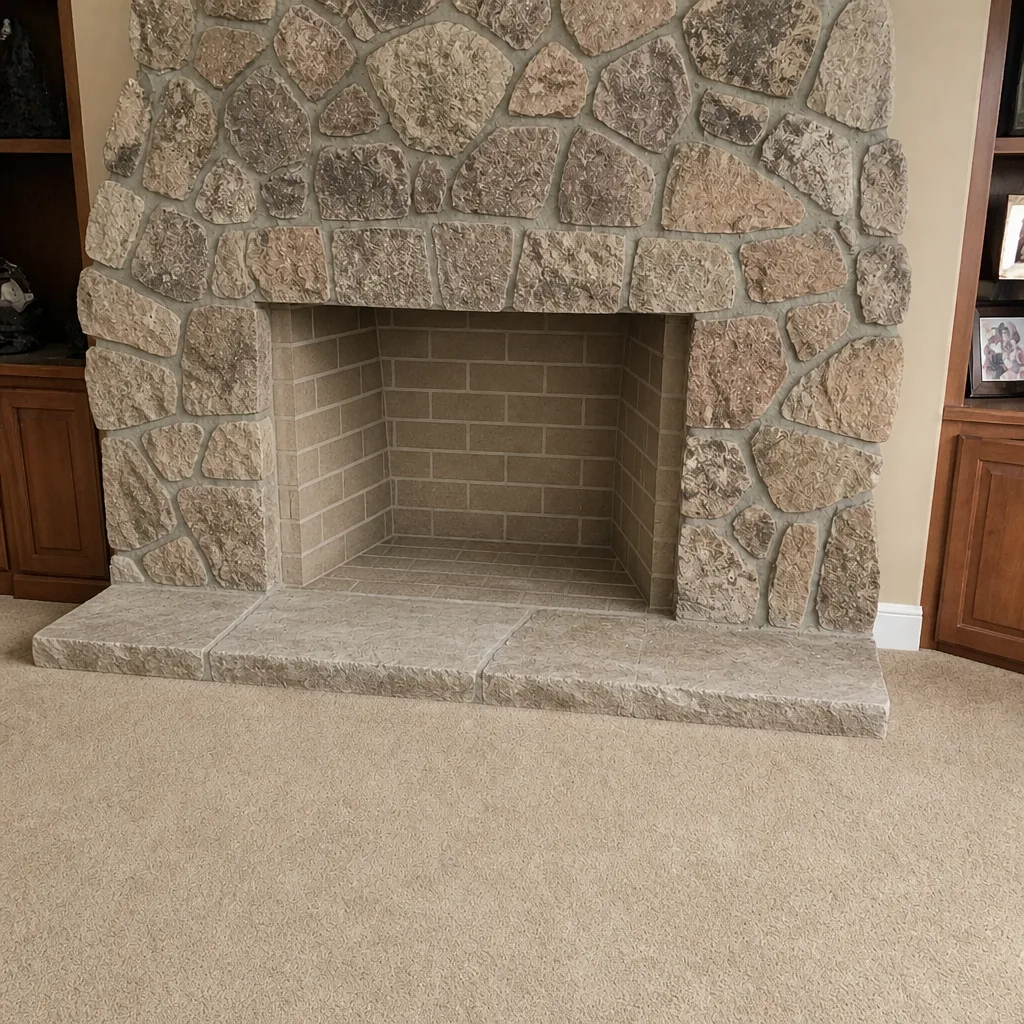
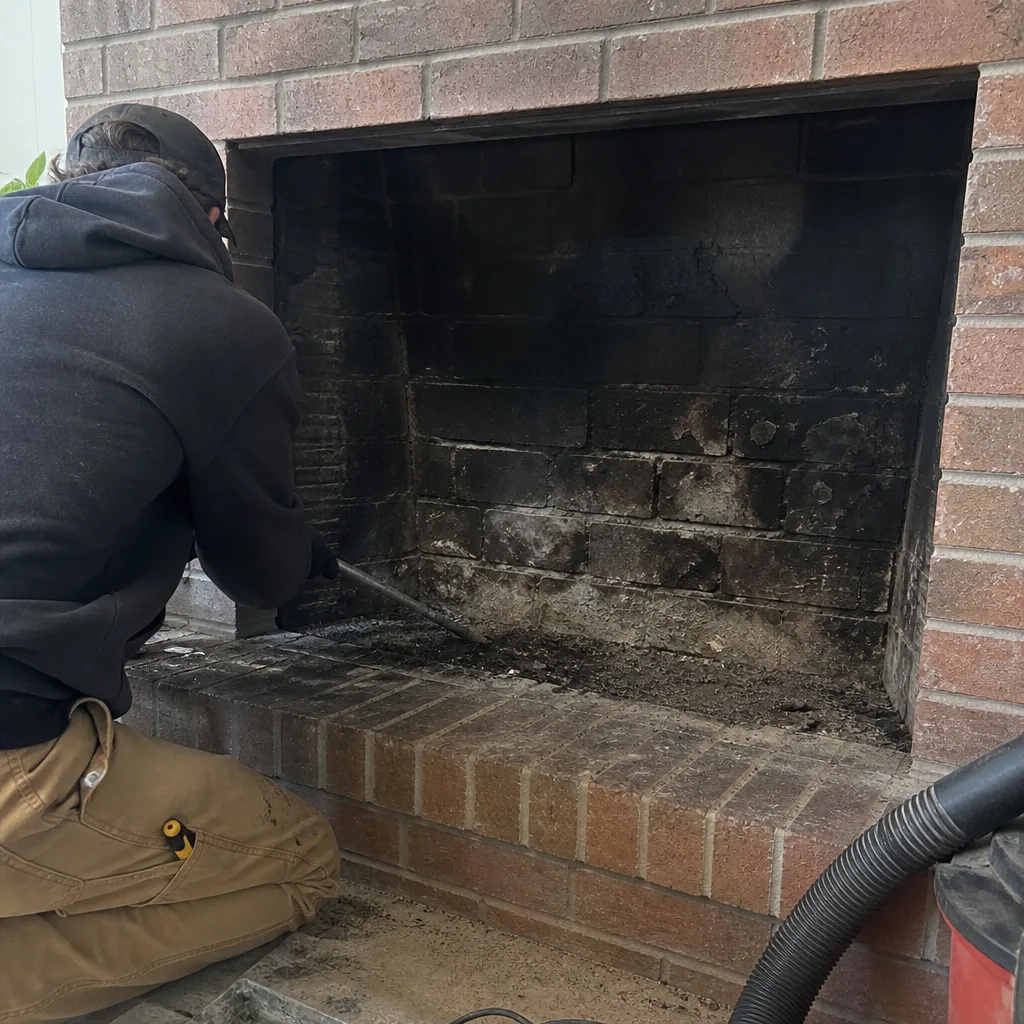
See the difference
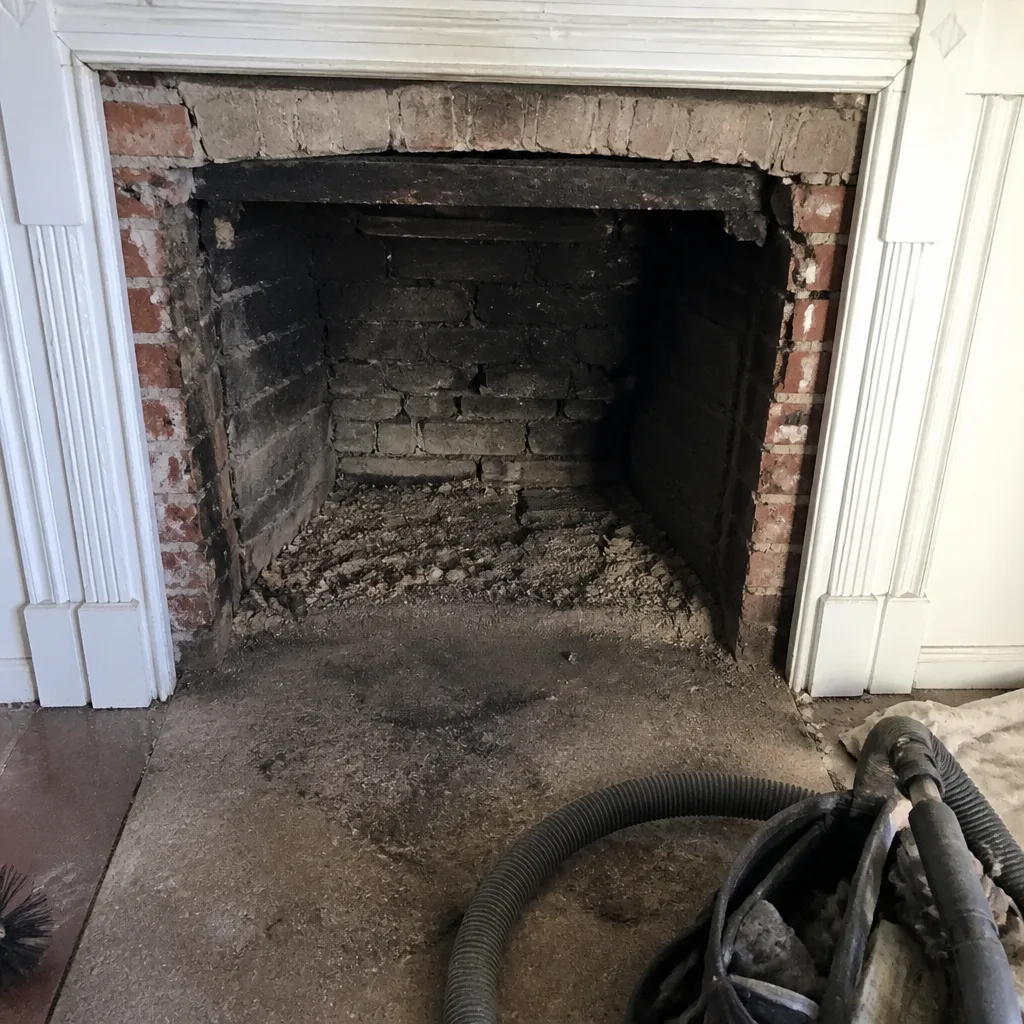 Before
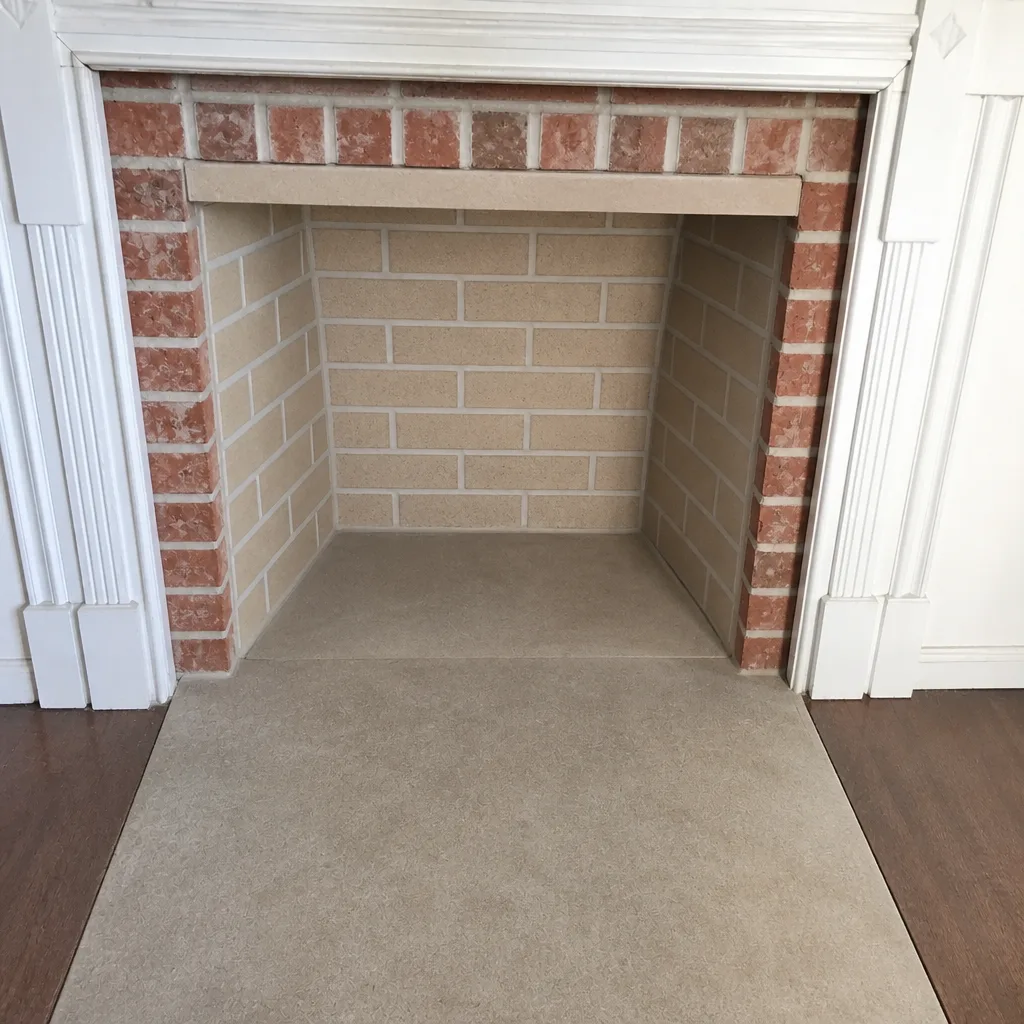 After
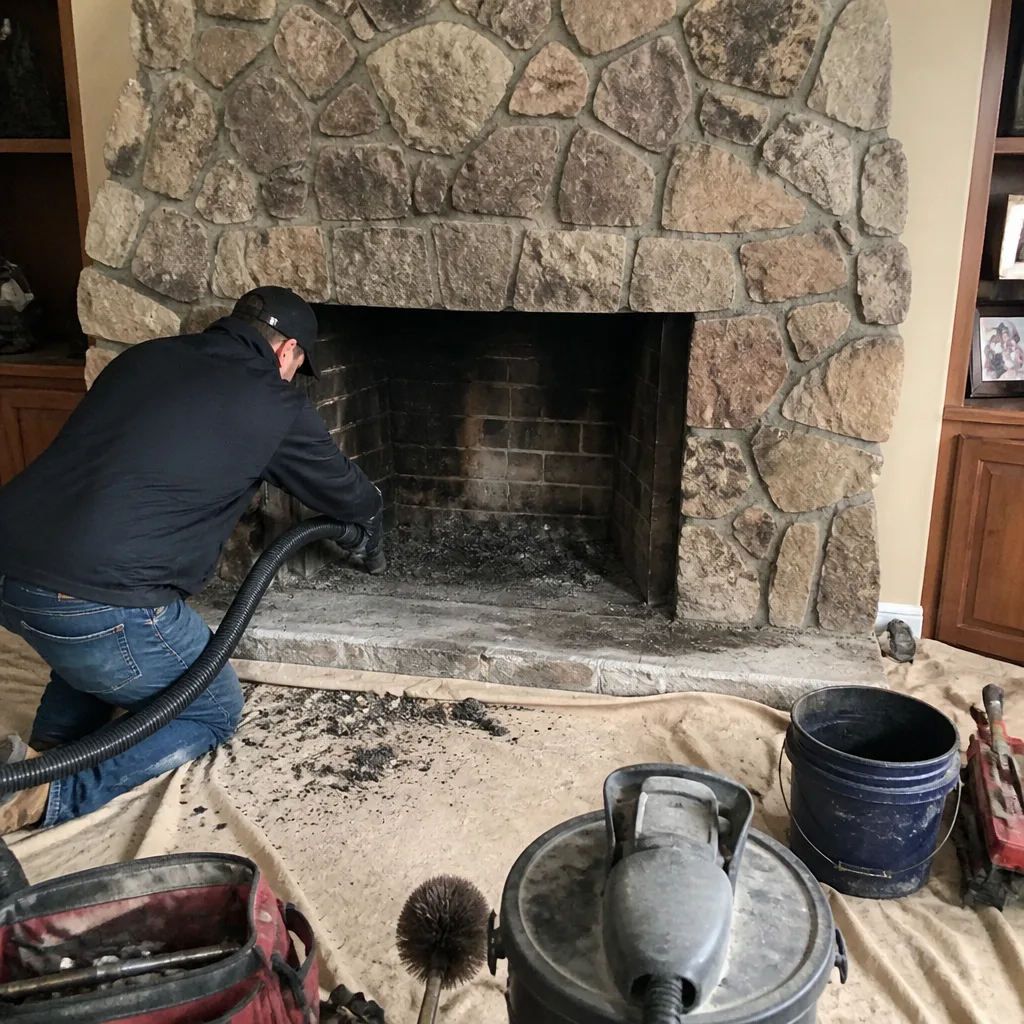 Before
 After
 Before
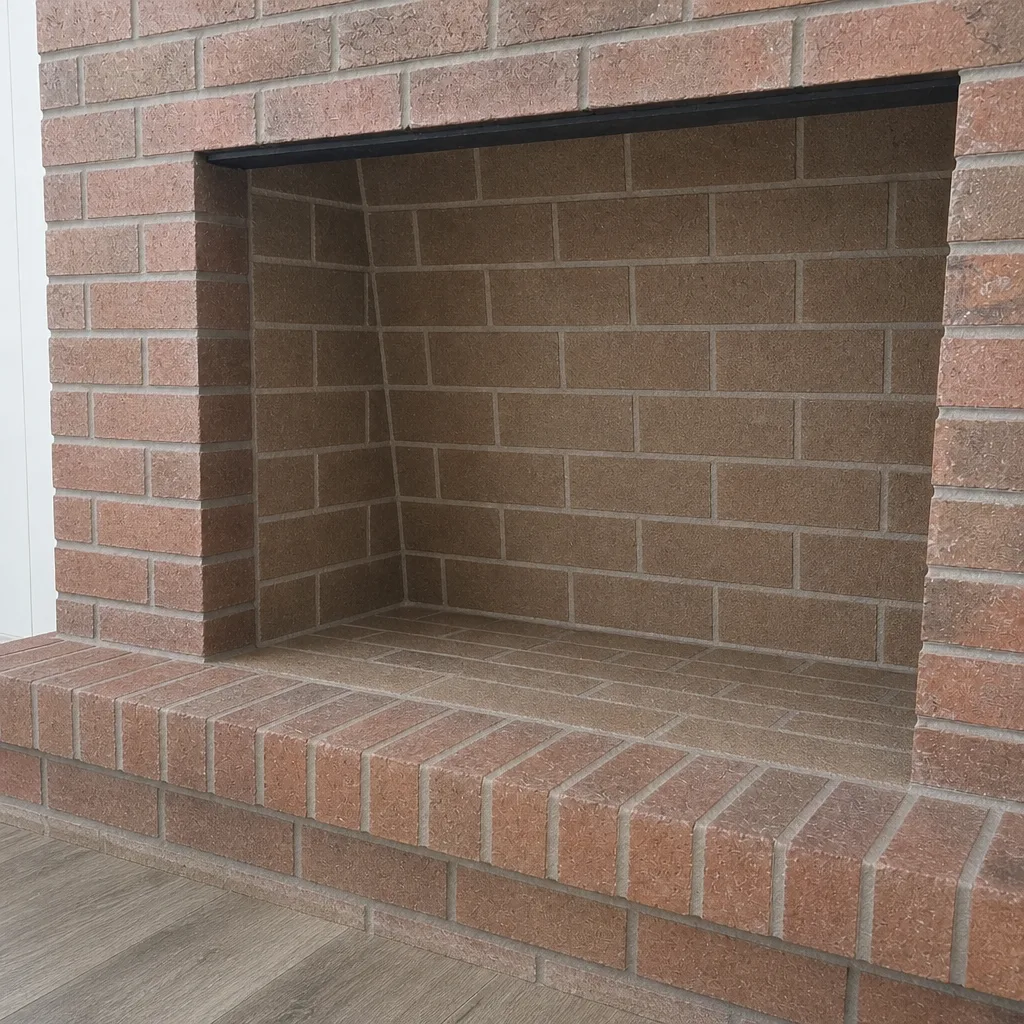 After
When to Call a Professional
Call a professional when any of these apply: you’re buying or selling an Eagle Mountain home and the chimney hasn’t had a Level 2 inspection; the cap is missing, cracked, or the crown has visible damage; you burn wood regularly and haven’t had a chimney sweep in over a year; a previous inspection flagged a liner, clearance, or crown condition; or you suspect a previous owner had unpermitted work done. Any of these scenarios calls for a full-system evaluation from the firebox to the crown, not a blind sweep and a goodbye. Chimney Sweep Eagle Mountain offers free estimates in Eagle Mountain. Call (844) 948-2069. We answer 24/7. Fast dispatch from 7am to 7pm, Sunday through Friday. A written estimate sets the final price, and we include a camera inspection and photo report so you can see what we see.
Frequently Asked Questions
No. A routine chimney cleaning is maintenance and does not require a permit under Utah residential code. Permits apply to work that alters the chimney system, such as liner installation, firebox rebuilds, or any structural masonry repair. Call (844) 948-2069 for a free estimate if you’re unsure which category your job belongs in.
Passing a Level 2 inspection means the chimney meets NFPA 211 standards for continued use based on a video evaluation of the flue interior and a close assessment of accessible components. It doesn’t mean the chimney is new; it means the flue is continuous, clearances are adequate, and no safety flag is present. Call (844) 948-2069 for a free estimate and a camera report you can see for yourself.
In most cases, yes. Installing a new stainless liner, including a DuraFlex flexible liner, alters the flue assembly and typically requires a permit from the local building authority. The permit closes with an inspection confirming the installation meets code and clearance requirements. Call (844) 948-2069 for a free estimate and we’ll walk you through the permit scope.
The buyer’s inspector flags it, and remediation usually requires an after-the-fact permit plus correction of any code deficiencies found during inspection. The cost often exceeds what the original permit would have cost. The clean fix is to get a Level 2 inspection before listing. Call (844) 948-2069 for a free estimate.
Once a year for most homes, and more often if you burn wood heavily through the long Eagle Mountain heating season. Creosote builds faster in a chimney used daily, and the sweep is what keeps the fire risk down. Call (844) 948-2069 for a free estimate on a sweep and inspection.
Often yes. HeatShield resurfacing restores a deteriorating flue liner without replacing the liner itself, which is typically a maintenance repair rather than an alteration to the system. Whether a specific chimney qualifies depends on the extent of the damage found during inspection. Call (844) 948-2069 for a free estimate and we’ll tell you honestly whether restoration is possible or replacement is needed.
The Bottom Line
The permit question on a chimney comes down to one line: cleaning and protecting are maintenance; altering the system is permitted work. In Eagle Mountain, that means your annual chimney sweep and your cap and crown repairs stay on the maintenance side, while a liner installation, firebox rebuild, or structural repair typically requires a permit from the local building authority. Utah County home sales trigger a Level 2 inspection that references NFPA 211 and IRC Section R1001, and an unpermitted repair from a previous owner can surface at exactly the worst time. Get the inspection, get the permit when it’s required, and get repairs documented with camera footage. From the firebox to the crown, the same crew handles the diagnosis and the correction, and the paper trail protects the value of your home when it matters most.
Call (844) 948-2069 for a free estimate. We answer 24/7. Fast dispatch from 7am to 7pm, Sunday through Friday. Whether you need a chimney sweep, fireplace repair, or full chimney repair, our technicians have up to 9 years of experience, and we install professional-grade materials from brands like DuraFlex, HeatShield, and Gelco. The written estimate sets the final price, a camera inspection and photo report are included, and nothing gets recommended without evidence you can see for yourself. When you’re ready, Chimney Sweep Eagle Mountain is the team to call.
Written by the team at Chimney Sweep Eagle Mountain.