
Last updated November 24, 2026
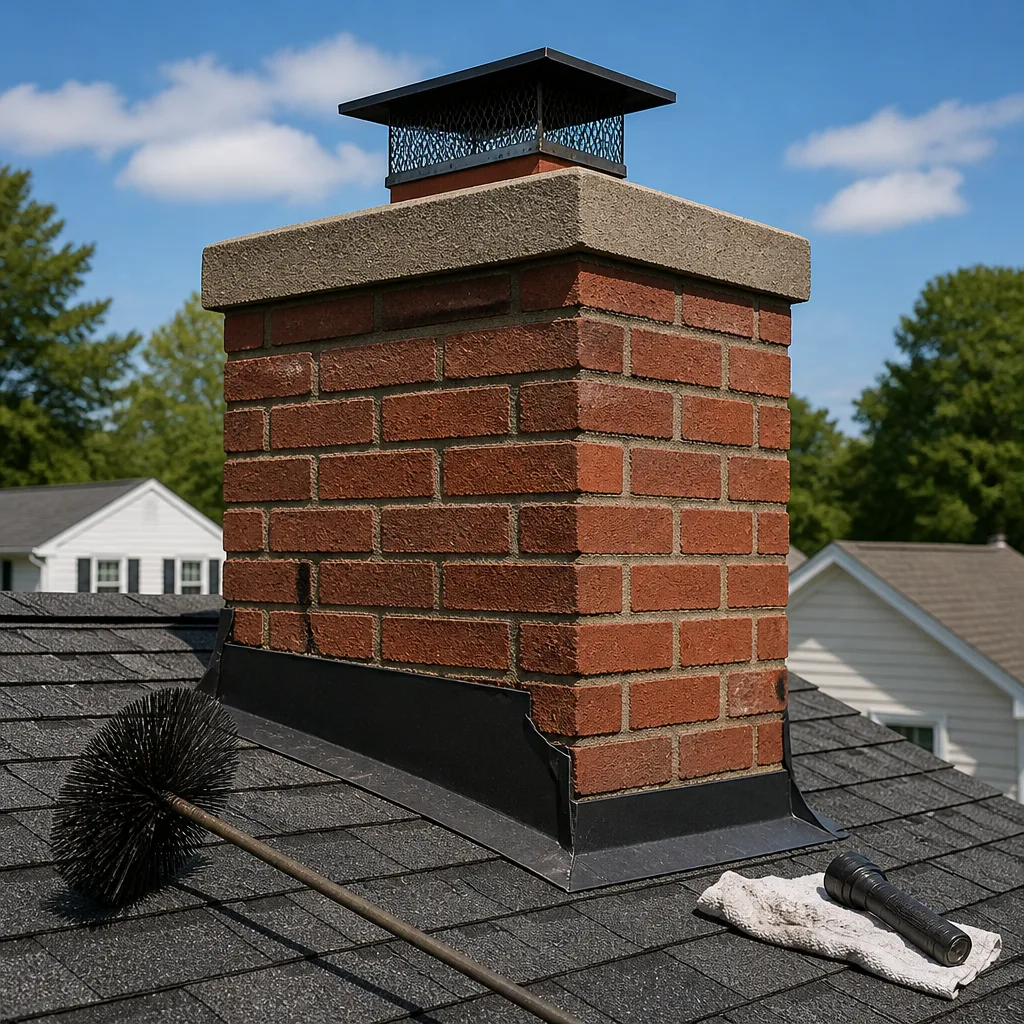 Sweep & inspection
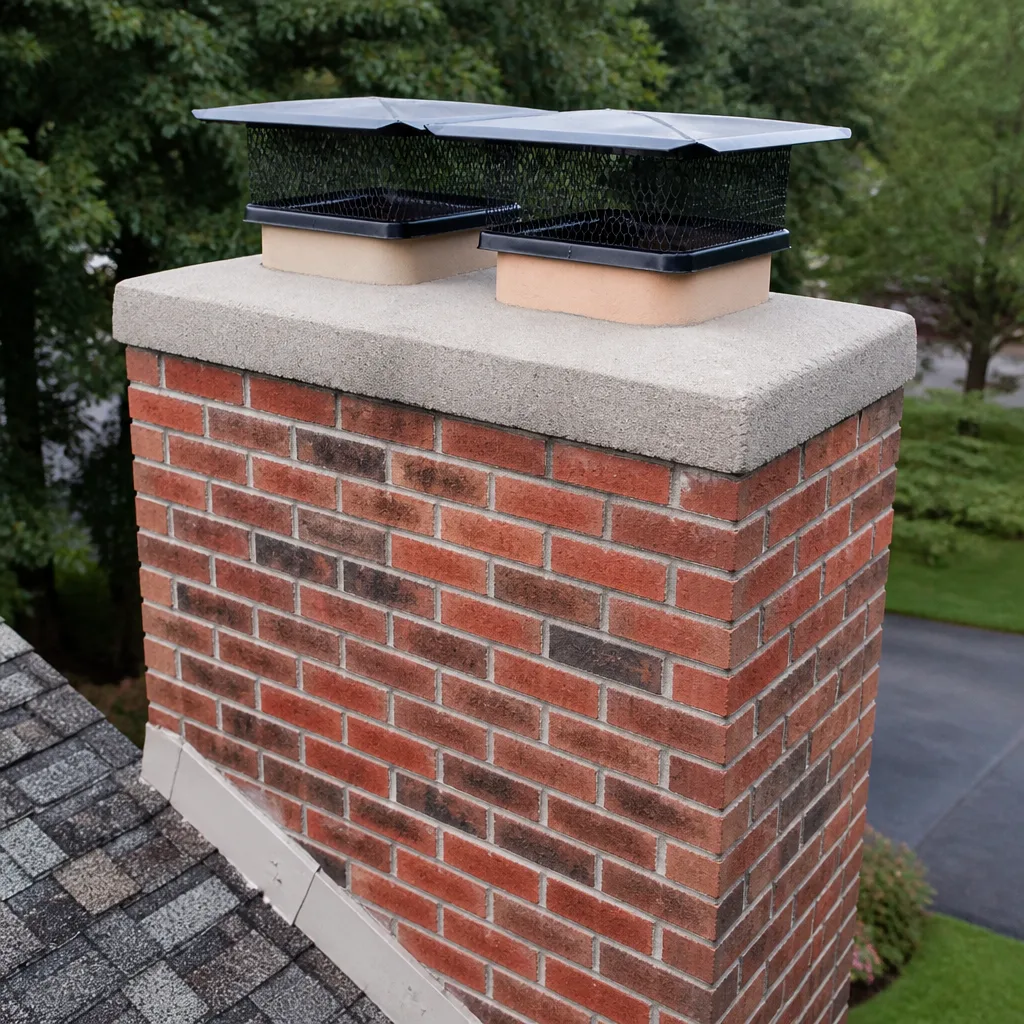 Caps & crowns
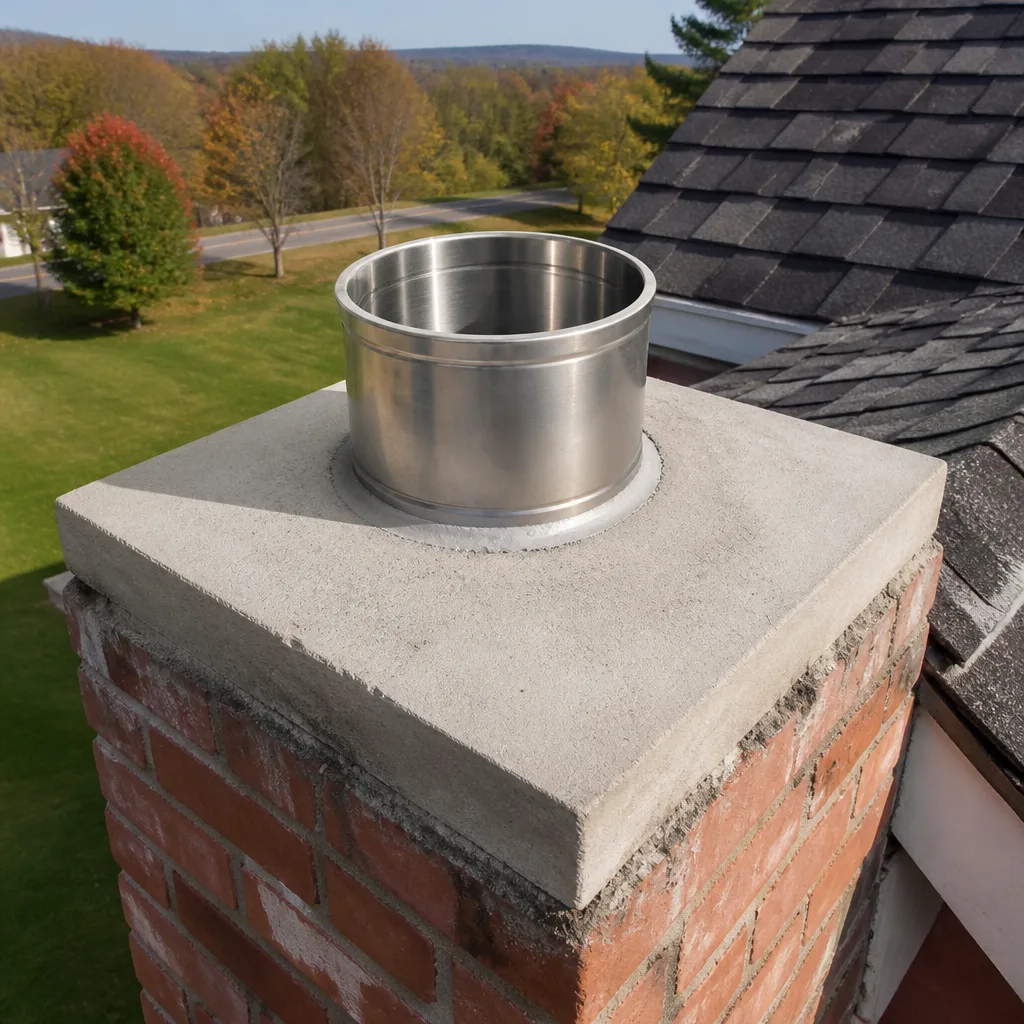 Flue relining
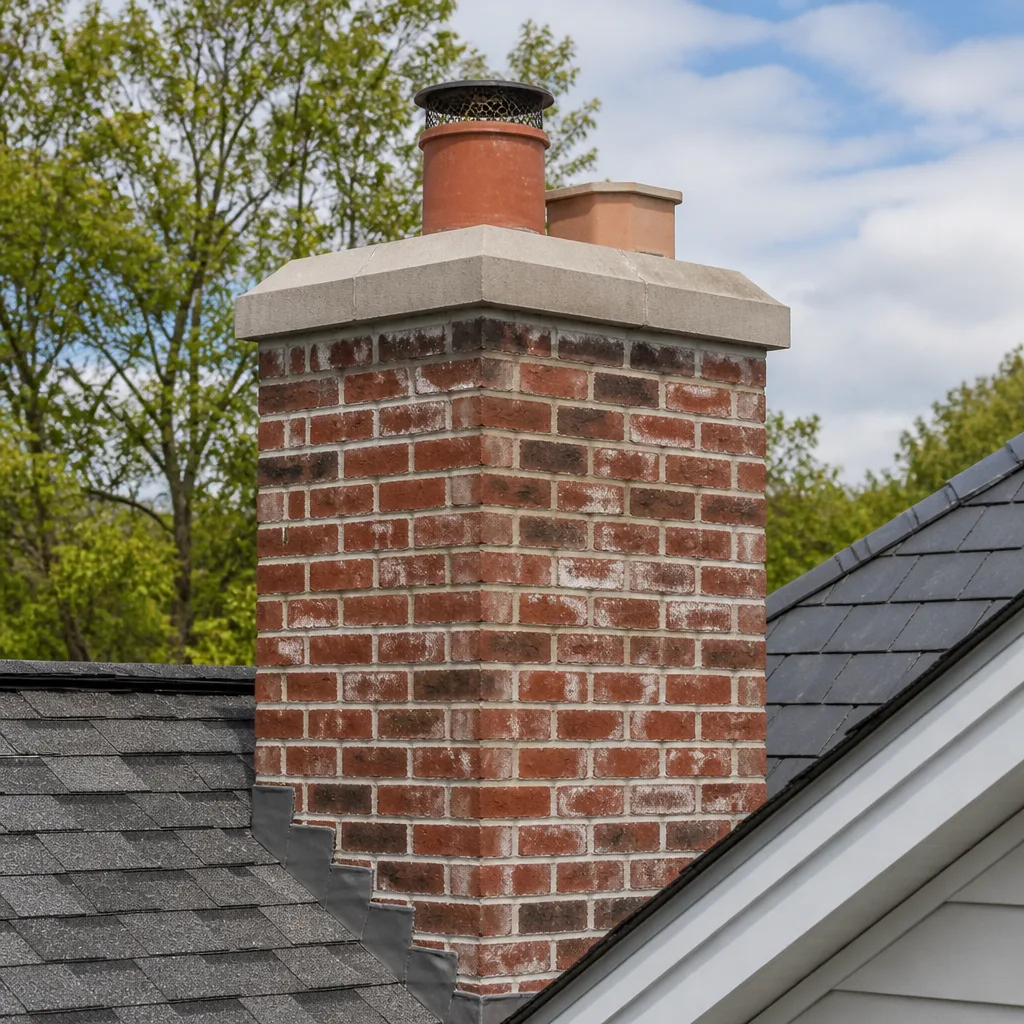 Masonry repair
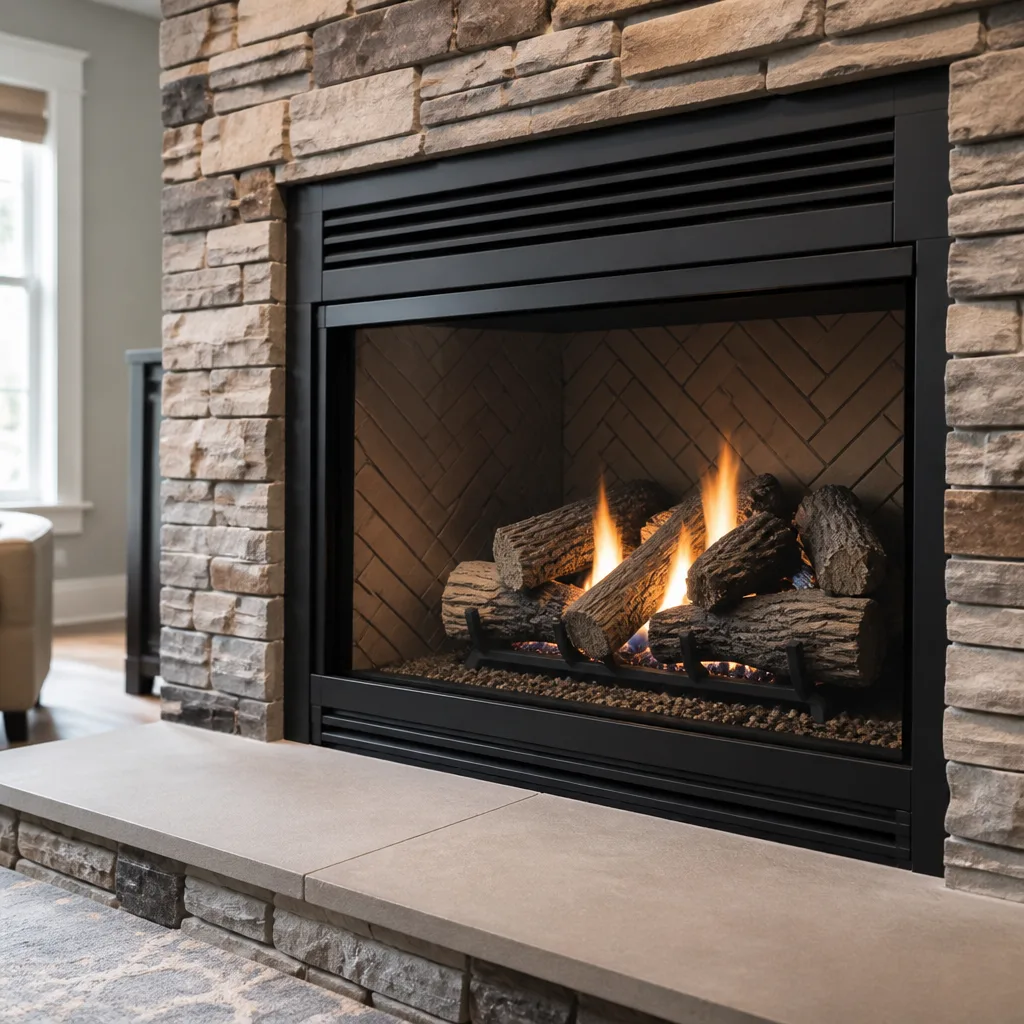 Gas fireplace service
Level 1 sweep and inspection to the NFPA 211 annual standard - flue, crown, cap, and flashing checked and photographed
Chimney sweep logs do not sweep chimneys. They loosen some creosote - which then falls where a brush and vacuum still have to collect it.
Chimney Sweep Maintenance Checklist for Eagle Mountain Homeowners
Most chimney advice you’ll find online was written for a 1920s house in a wet climate. Eagle Mountain doesn’t have many of those. Our housing stock skews newer, and that changes the failure pattern entirely. Builder-grade crowns, thin chase covers, and factory-built fireplaces that look perfect at the walkthrough start showing real wear around year five. The first repair bill usually surprises people who thought “new house” meant “no maintenance.” What follows is a checklist built around how chimneys actually behave here: the long freeze-thaw cycle, the fuel types in local homes, and the specific components that fail first.
Styles & brands we work with
- Sweep & inspection
- Caps & crowns
- Flue relining
- Masonry repair
- Gas fireplace service
Quick Answer
A working Eagle Mountain chimney maintenance checklist has three layers: monthly visual checks you can do safely from the ground, an annual professional sweep and inspection before burning season, and a documented record of your system’s condition so you can spot change over time. For most homes here, that means scheduling a sweep and inspection in late summer or early fall, before the freeze-thaw cycle starts in October and runs through April. Chimneys with wood inserts need annual sweeping; gas log sets need an annual inspection but sweep less often.
Table of Contents
- Why Generic Checklists Fail in Eagle Mountain
- The Freeze-Thaw Calendar: A Month-by-Month Breakdown
- What You Can Safely Check From Ground Level
- What Requires a Technician on the Roof
- Builder-Grade vs. Professional-Grade: What to Look For
- Three Fuel Profiles, Three Maintenance Schedules
- How to Document Condition Year Over Year
- Common Mistakes to Avoid
- When to Call a Professional
- Frequently Asked Questions
- The Bottom Line
Why Generic Checklists Fail in Eagle Mountain
National chimney maintenance lists assume a few things that don’t hold here. They assume mild winters, mature deciduous trees dropping debris into caps, and masonry chimneys built before modern clearance standards. Eagle Mountain has none of that at scale. What it does have is a freeze-thaw cycle that can run from October into April, wind exposure on the benches and ridges, and a lot of homes built within the last two decades using builder-grade components.
That combination creates a different failure sequence than what you’d read about on a national home-maintenance site. Water gets into a hairline crack in the crown coat, freezes overnight, expands, and widens the crack. It thaws during the day, refreezes that night. Repeat that cycle a hundred times across a mountain winter and a crown that looked fine in September is spalling by March. The same physics works on chase covers, cap seams, and mortar joints.
Here’s the counterintuitive part: newer Eagle Mountain homes are not automatically lower-maintenance. They’re differently maintained. A 1950s brick chimney has thick walls, deep mortar joints, and a lot of thermal mass. A modern factory-built system has thinner components, tighter clearances, and a crown or chase cover that’s often the weakest link in the whole assembly. Knowing which type you have tells you where to look first.
This guide covers both. It’s organized around what actually fails here, in what order, and what you can check yourself versus what needs a trained eye on a ladder.
The Freeze-Thaw Calendar: A Month-by-Month Breakdown
Chimney maintenance in Eagle Mountain is seasonal in a way it isn’t in warmer parts of the country. The work has a rhythm tied to the freeze-thaw window. Here’s how we’d structure the year.
Late Summer (August-September): Pre-Season Sweep and Inspection
This is the highest-value window on the whole calendar. Get the sweep and inspection done before the first hard freeze. Creosote gets removed while it’s still soft and easy to brush, and any crown cracks or cap damage gets sealed before water has a chance to freeze inside them. If your liner is showing deterioration, late summer gives you time to address it with the season still ahead of you rather than mid-winter.
October Through April: The Freeze-Thaw Watch
Once temperatures start swinging above and below freezing, water intrusion becomes the dominant risk. During this window, monthly ground-level checks matter most: look for new staining on the exterior chase, ice dams forming at the crown, or pieces of mortar appearing on the roof or ground. Any of those is a signal to book an inspection.
Late Spring (May-June): Post-Season Assessment
After the burning season ends and the ground thaws, do a full assessment. Winter is when cracks open and caps take wind damage. Spring is when you find out what happened. If your annual inspection flagged anything as “monitor,” this is when you check whether it progressed.
The Simple Rule
- Sweep and inspect before burning season, not during it.
- Do visual checks monthly through the freeze-thaw window.
- Assess damage in spring while repairs can still be scheduled ahead of the next season.
- Keep a written record so “monitor” items have something to be compared against.
If you want a broader picture of what a full chimney sweep includes at each of those windows, we cover it in detail. The short version: a sweep is a cleaning, an inspection is a diagnosis, and they’re most useful when done together.
What You Can Safely Check From Ground Level
A lot of chimney damage is visible from the ground with binoculars and a notepad. Catching it early is the whole point of a homeowner checklist. Here’s what’s safe to look at yourself, and what each thing tells you.
- Crown edges: Look at the concrete or metal top of the chimney. Hairline cracks are normal wear. Chunks missing, visible separation from the flue, or a crown that’s clearly sagging are not.
- Cap condition: Is the spark arrestor screen intact, or is it rusted through and sagging? A failing cap lets water, birds, and debris straight into the flue.
- Chase cover seams: On homes with a metal chase cover, look at where it meets the chase. Rust streaks, separated caulk lines, or standing water are all signals.
- Exterior staining: Dark streaks or white mineral deposits on the outside of the chimney often mean water is getting in somewhere and finding its way out.
- Mortar joints: From a distance, look for visible gaps or crumbling between bricks. Small recessed joints are normal. Crumbling or missing mortar is not.
- Ground-level debris: Bits of mortar, tile, or metal on the roof or ground near the chimney base are a clear signal that something above is failing.
Use binoculars rather than a ladder. Roof work on a chimney is the single most dangerous part of chimney maintenance, and a fall from a pitched roof causes serious injury far more often than a chimney problem does. Ground-level inspection is about spotting change, not diagnosing it. If something looks different from last year, that’s your cue to book a professional inspection.
For fireplace-specific issues that show up inside the firebox, a fireplace repair visit covers the parts you can’t see from outside: damper operation, firebox cracks, refractory panel condition.
What Requires a Technician on the Roof
Some checks need ladders, harnesses, and the right tools. Here’s what belongs to a trained technician and why skipping them is a bad idea.
- Flue interior inspection: A camera sweep or visual inspection from the top down is the only way to see liner condition, creosote thickness, and obstructions. Ground-level checks can’t see inside the flue.
- Crown integrity: A crown that looks fine from 30 feet can be cracked through on the surface. Testing it means physically inspecting it up close.
- Clearance verification: Factory-built systems have specific clearance requirements to combustibles. Only someone on the roof with a tape and a flashlight can confirm the installation still meets them.
- Chase cover and cap fasteners: Loose fasteners and rusted screws aren’t visible from the ground. A cap that’s worked loose in a windstorm will let water in until someone re-secures it.
- Creosote assessment: Glaze creosote looks different from fluffy creosote, and the difference determines how it gets removed. That requires being in the flue, not looking at a photo.
If the inspection turns up a cracked or deteriorated flue liner, there are two paths. Full replacement with a flexible stainless liner is one. HeatShield liner restoration is the other: it resurfaces a damaged flue from the inside, restoring integrity without tearing out the old liner. Our technicians are trained in HeatShield application, and it’s a service most sweep-only companies don’t offer. For homes with older flues that fail modern clearance or draft standards, DuraFlex flexible stainless liners cover the gap.
Cap and crown replacement is its own category. Both protect the top of the system from moisture, which is the leading cause of long-term structural damage in a chimney. We use Gelco and Famco products engineered specifically for weather protection and durability, because builder-grade caps often aren’t. When a chimney repair gets scheduled for moisture damage, the cap and crown are usually where the work starts.
Builder-Grade vs. Professional-Grade: What to Look For
Newer Eagle Mountain homes have a specific failure pattern, and it’s worth knowing what you’re looking at. Builder-grade doesn’t mean bad. It means the minimum component that passes code and holds up until it doesn’t. Around year five is when the difference starts to show.
What Fails First in Builder-Grade Systems
- Crown coat: Often a thin concrete skim that cracks under thermal cycling. Once cracked, water gets in, freezes, and widens the crack. A cast crown or a professionally finished crown coat lasts dramatically longer.
- Chase cover: Builder-grade metal chase covers are thin and often sealed with caulk rather than properly flashed. Rust starts at seams and fasteners, then spreads.
- Cap: Basic caps use thin screen that rusts through and lightweight frames that blow loose. A properly built cap uses heavier gauge metal and mesh that holds up to wind-driven weather.
- Flue liner: Factory-built fireplaces ship with their own engineered flue system. Those hold up well when they’re correctly installed and maintained. They don’t hold up to neglect, and they don’t tolerate improper venting.
When to Upgrade Before Failure
The right time to upgrade a component is when the inspection says it’s approaching end of life, not when it’s failed. A crown that’s starting to show surface cracking gets resealed or replaced before water intrusion sets in. A chase cover that’s showing early rust gets swapped before the rust compromises the seams. That sequencing keeps cost predictable and keeps the repair small.
Where we use professional-grade brands, it’s not about premium pricing. It’s about what actually holds up in this climate. Olympia Chimney components are built to tighter tolerances than what typically comes on a build. Gelco cap and crown products are engineered for weather exposure. That’s the difference you’re paying for, and it shows up in how often you replace the same part twice.
Three Fuel Profiles, Three Maintenance Schedules
Not every Eagle Mountain chimney needs the same maintenance. What you burn determines what builds up, how fast, and what needs checking. Here’s the breakdown for the three setups we see most often.
Wood-Burning Inserts
Inserts burn hot and produce creosote at a different rate than an open masonry fireplace. Because the firebox is enclosed, the flue gas path is longer and the flue is often smaller in diameter, which means creosote concentrates more. Plan on an annual sweep. If you burn frequently through the winter, an annual inspection plus a sweep at the beginning of the season and a mid-season check is worth considering. Creosote accumulation is the reason: a creosote-heavy flue is a chimney fire risk, and glazed creosote is harder to remove once it sets.
Masonry Fireplaces
Open masonry fireplaces are the most forgiving fuel profile, but they have their own list. Mortar joints inside the firebox, the smoke shelf, and the damper all need checking. Masonry chimneys absorb and release moisture slowly, which makes them a freeze-thaw candidate in a way that metal systems aren’t. Annual sweeping is standard. Brickwork and mortar get visual checks at the same time. Cracked firebox brick is the one to catch early, because once the firebox is compromised, the heat reaches areas it shouldn’t.
Gas Logs
Gas log sets don’t produce creosote, so the annual sweeping cadence doesn’t apply the same way. What does apply: annual inspection. Gas fireplace systems have venting requirements, and the failure mode is different. Blocked vents, incorrect installation, deteriorated venting, and carbon monoxide risk are all reasons to have the system checked each year. The firebox and refractory panels also need inspection for cracks that could let combustion gases escape into the home.
Which Schedule Applies to You
- Burn wood regularly: annual sweep and annual inspection.
- Burn wood casually: annual inspection with sweep as needed based on creosote assessment.
- Gas fireplace: annual inspection. Sweep only if the inspection shows it’s needed.
- Not used at all: still inspect annually. Unused chimneys still take on water and wildlife.
How to Document Condition Year Over Year
A checklist only works if you have a baseline. The phrase that gets thrown around a lot in inspections is “deteriorated,” and it’s only meaningful if you know what the component looked like last year. Here’s how to build a record that does the work for you.
- Photograph the same angles every time. Stand in the same spot, frame the same roof-line view of the chimney, and shoot from the same height. A year-over-year photo set is more useful than a description.
- Ask for the inspection report in writing. A proper inspection documents which components were checked and what condition they’re in. Keep every report.
- Note the date and the conditions. A crown check done after a wet winter tells you more than one done in summer. Note the season and any recent weather.
- Track “monitor” items in their own list. When an inspection flags something to watch, write it down and check it specifically the next time. Without that list, watch items get lost.
- Keep a repair history. What got replaced, when, and with what. When a technician says a component is failing, you can look up whether it’s the original part or a replacement.
Two photos taken twelve months apart tell you quickly whether cracking in a crown is stable or spreading. Without that record, “deteriorated” becomes a judgment call you can’t verify. Our inspections include a camera inspection and photo report for exactly this reason: you see what we see, and you have it on file for next year.
If you’re starting from zero, the first step is booking a Chimney Sweep Eagle Mountain visit and asking for the full documented report. From that baseline, every annual check has something to compare against.
Common Mistakes to Avoid
- Waiting for a problem to book maintenance. Chimney issues rarely announce themselves. A crown crack that’s caught in year one is a seal. The same crack caught in year three is a rebuild. Eagle Mountain’s freeze-thaw cycle compresses that timeline.
- Assuming a newer home doesn’t need a sweep yet. Build age doesn’t determine sweeping schedule. Burn frequency and creosote accumulation do. A five-year-old home that burns hot every winter can need a sweep as much as a much older one.
- Skipping the annual inspection because the fire still burns well. A fire can burn fine with a cracked flue liner, and that’s exactly the danger. Draft doesn’t tell you about liner integrity or clearance issues.
- Climbing on the roof for a DIY check. Roof work is the highest injury risk in chimney maintenance, and the checks a homeowner can do from the ground catch most of what matters. If you need to be up there, a trained technician should be.
- Letting a “monitor” item go unrecorded. When an inspection flags something, it’s usually because the component isn’t failing yet. If you don’t write it down, the next check starts from scratch and the trend is missed.
- Treating gas log sets as maintenance-free. Gas fireplaces don’t build up creosote, but they still have venting requirements, firebox components, and combustion safety. Annual inspection applies.
- Using caulk as a permanent fix for crown cracks. Caulk fills a joint but doesn’t restore structure. On a crown that’s failing, sealing over it delays the repair and traps moisture underneath.
When to Call a Professional
Some situations need a technician and a ladder, not a homeowner and a flashlight. If your ground-level check turns up new cracks in the crown, a rusted or loose cap, staining on the exterior chase, or debris on the roof, that’s a call. If your fire is burning with unusual smoke, draft problems, or a smell that didn’t used to be there, that’s also a call. And if it’s been more than a year since the last inspection, it’s time regardless of what the visual check shows.
The checklist is designed to catch things early. It isn’t designed to replace the inspection. Eagle Mountain homeowners who book a sweep and inspection before burning season get the most out of the maintenance calendar, and they get a written baseline that makes every following year easier to assess. Chimney Sweep Eagle Mountain offers free estimates in Eagle Mountain, and we cover the full system, from the firebox to the crown. If you want the inspection to include camera work and a photo report, we do that as standard. Call (844) 948-2069 to book your pre-season visit. We answer 24/7. Fast dispatch from 7am to 7pm.
Frequently Asked Questions
Once a year for homes that burn wood regularly, and annually for gas fireplaces for inspection even if sweeping isn’t needed. Burn frequency affects creosote accumulation, so a home that burns daily through the winter may need a mid-season check. Schedule the main sweep before burning season starts, ideally in late summer or early fall. Call (844) 948-2069 for an exact quote – estimates are free.
Ground-level visual checks with binoculars, done monthly through the freeze-thaw window. Look for crown cracks, cap damage, exterior staining, and debris on the roof. Don’t climb on the roof for a check; the injury risk outweighs the benefit. Anything that looks different from last year is worth a professional inspection. Call (844) 948-2069 for an exact quote – estimates are free.
Yes. Build age doesn’t replace maintenance. Newer homes often have builder-grade crowns, chase covers, and caps that show their first real wear around year five. The freeze-thaw cycle here is the accelerator: water gets into small cracks, freezes, and widens them across a mountain winter. Catching the wear early keeps it a small repair. Call (844) 948-2069 for an exact quote – estimates are free.
Gas fireplaces rarely need sweeping because they don’t produce creosote, but they do need annual inspection. The inspection covers venting, firebox condition, and combustion safety. That’s a different check than a wood flue sweep, and it’s the right one for a gas log set. Call (844) 948-2069 for an exact quote – estimates are free.
Small issues stop being small. A crown crack becomes water intrusion, water intrusion becomes freeze-thaw damage, and freeze-thaw damage becomes structural. There’s also the safety side: a deteriorated flue liner and clearance problems don’t show up in how the fire burns. Skipping an inspection means missing the checks that catch those. Call (844) 948-2069 for an exact quote – estimates are free.
A cleaning removes creosote. A repair addresses failing components. The inspection is what tells you which one you need, and it’s why we do a camera inspection with a photo report. If the liner is cracked, the crown is failing, or the cap is compromised, that’s repair work. Nothing gets recommended without evidence you can see for yourself. Call (844) 948-2069 for an exact quote – estimates are free.
The Bottom Line
A chimney checklist works when it’s matched to what your home actually goes through. In Eagle Mountain, that means respecting a freeze-thaw window that can run from October to April, knowing the shorthand for builder-grade failure on newer homes, and setting a maintenance cadence based on what you burn. Visual checks from the ground, an annual sweep and inspection before the season, and a written record you keep year over year. Those three habits catch most of the failures while they’re still small. Get the baseline inspection done, get the photo report, and every following year gets easier to judge.
Contact Chimney Sweep Eagle Mountain today for a free estimate. Call (844) 948-2069. We answer 24/7. Fast dispatch from 7am to 7pm. From the firebox to the crown, one crew handles the whole system.
Written by the team at Chimney Sweep Eagle Mountain.
See the difference
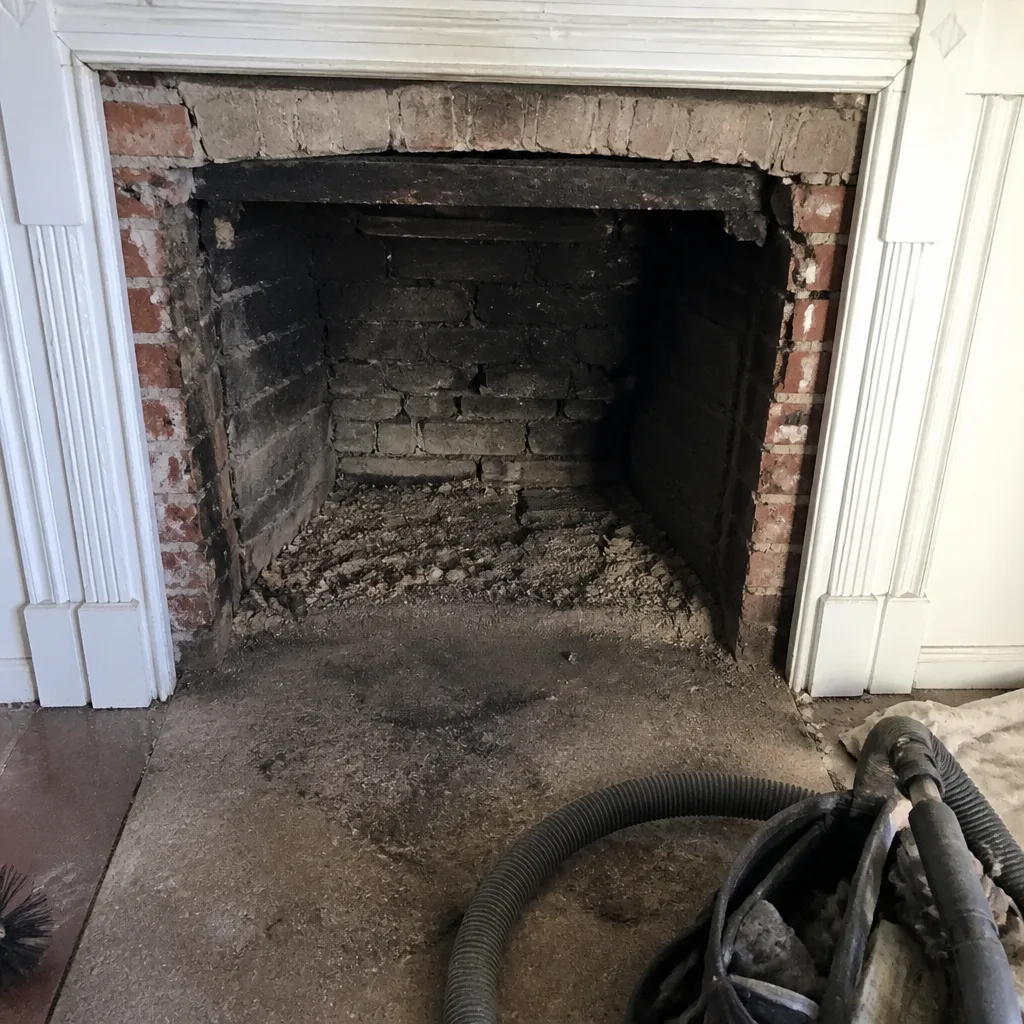 Before
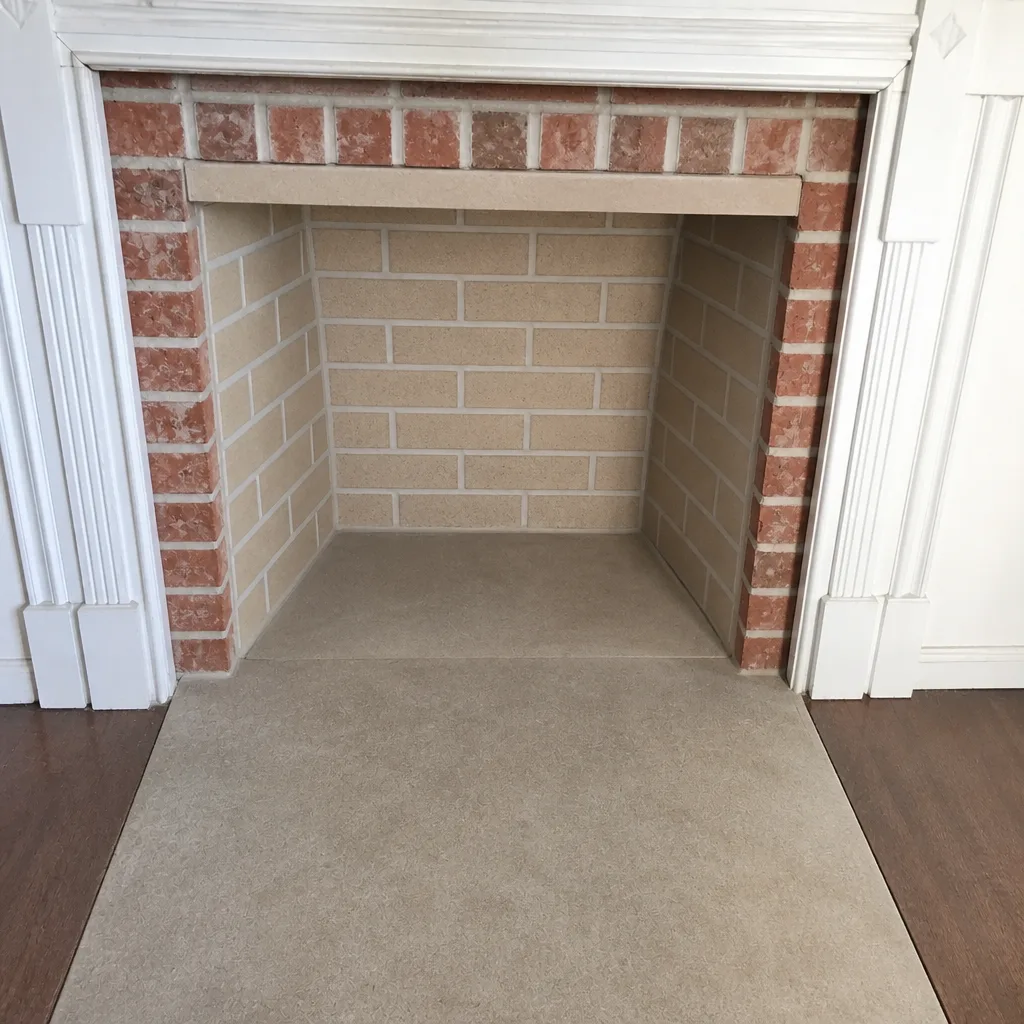 After
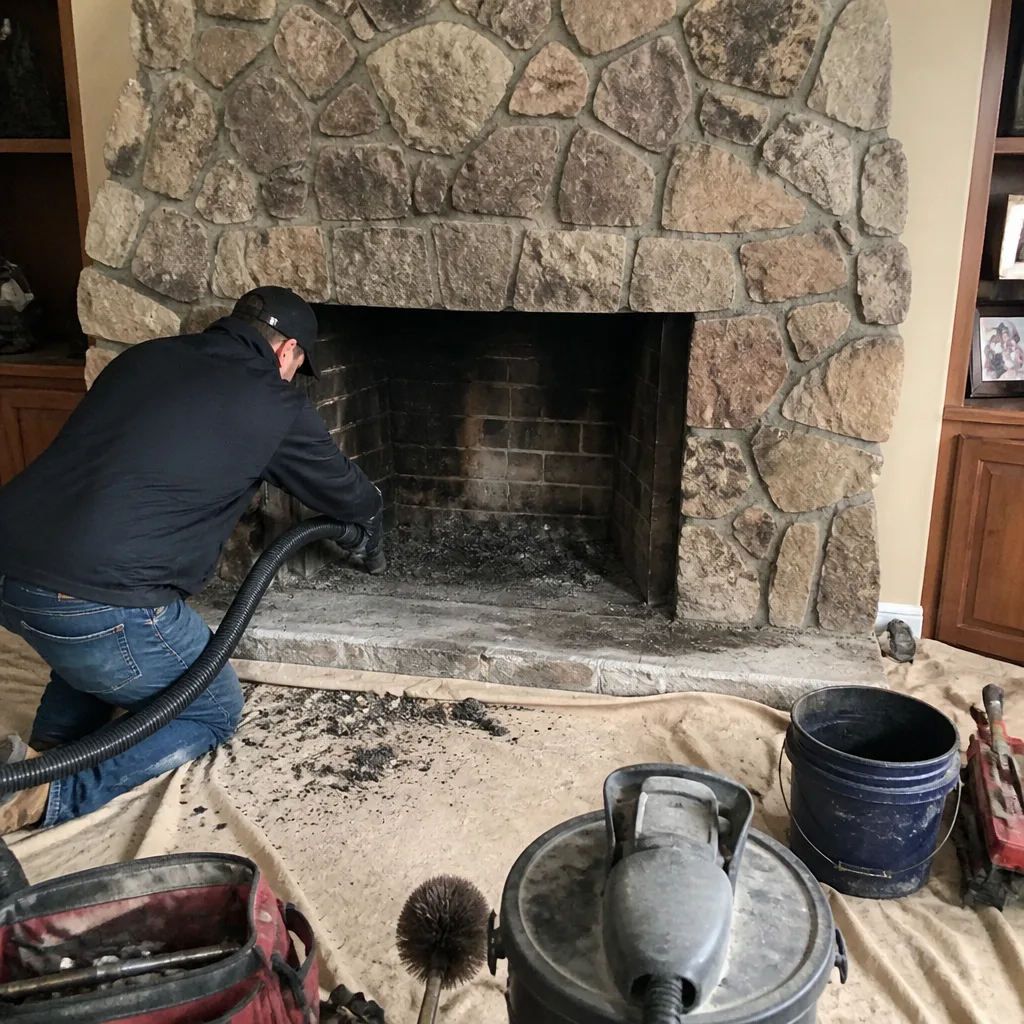 Before
 After
 Before
 After