
Last updated November 24, 2026
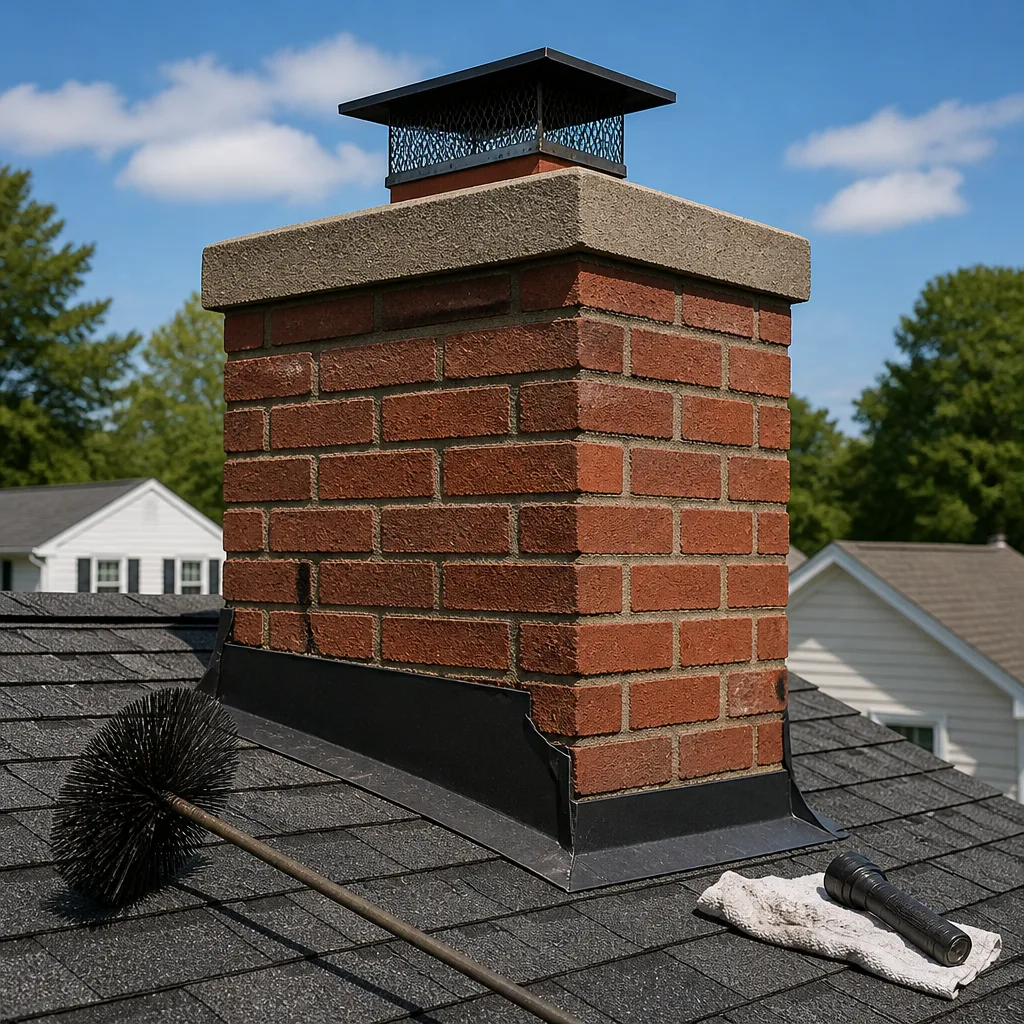 Sweep & inspection
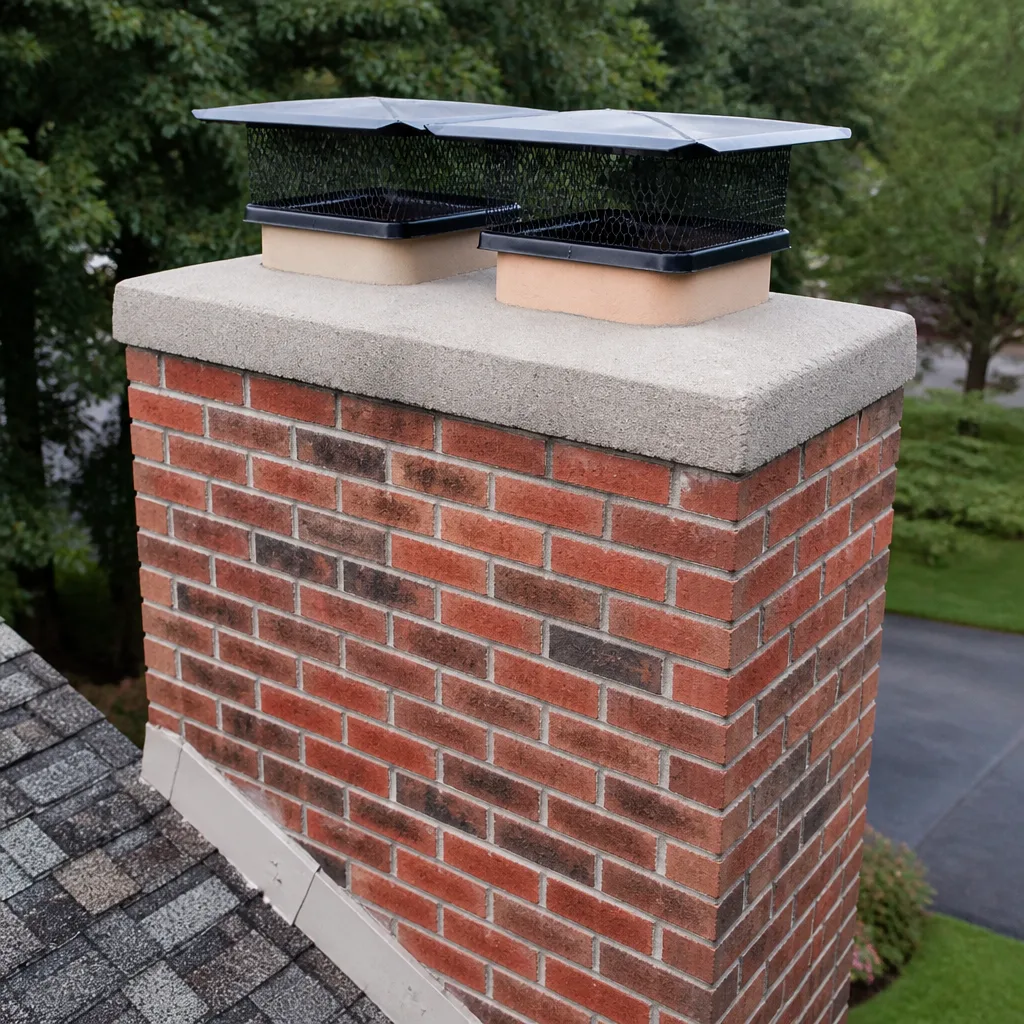 Caps & crowns
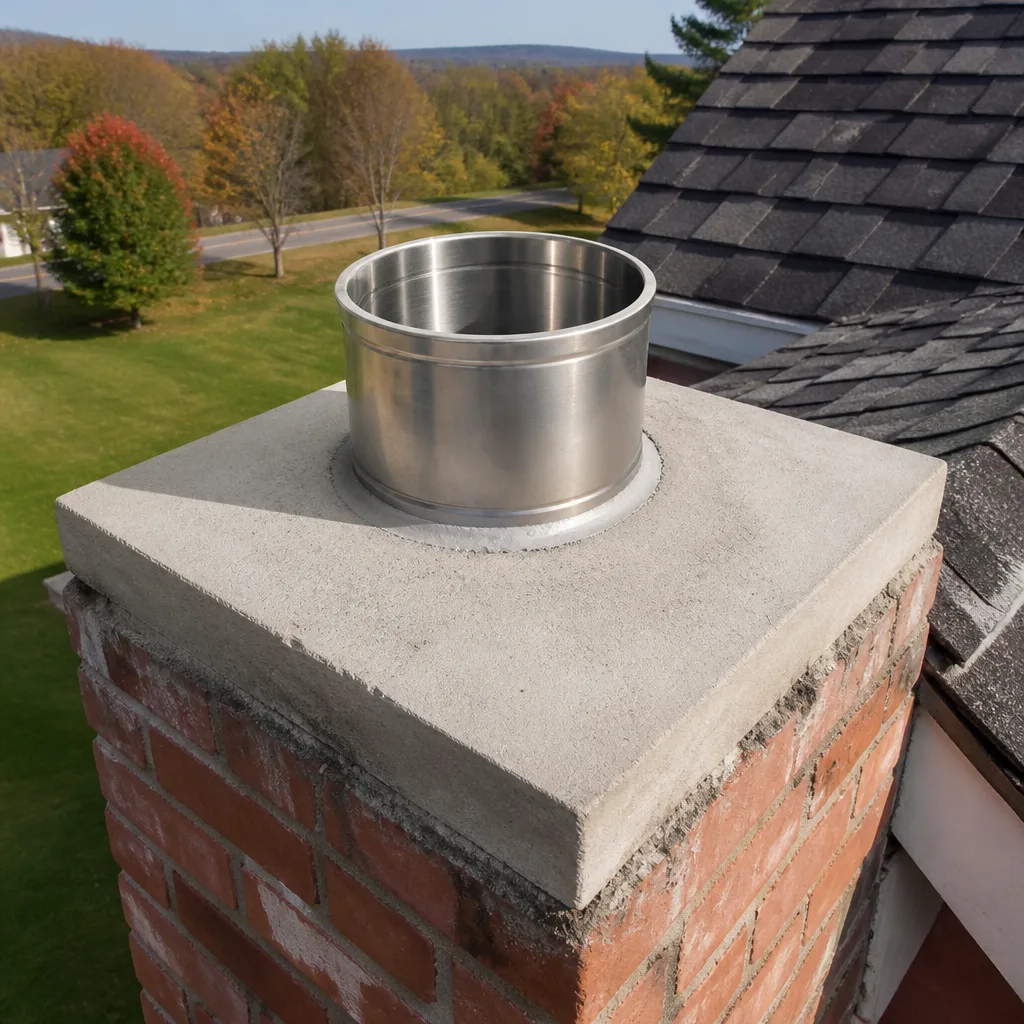 Flue relining
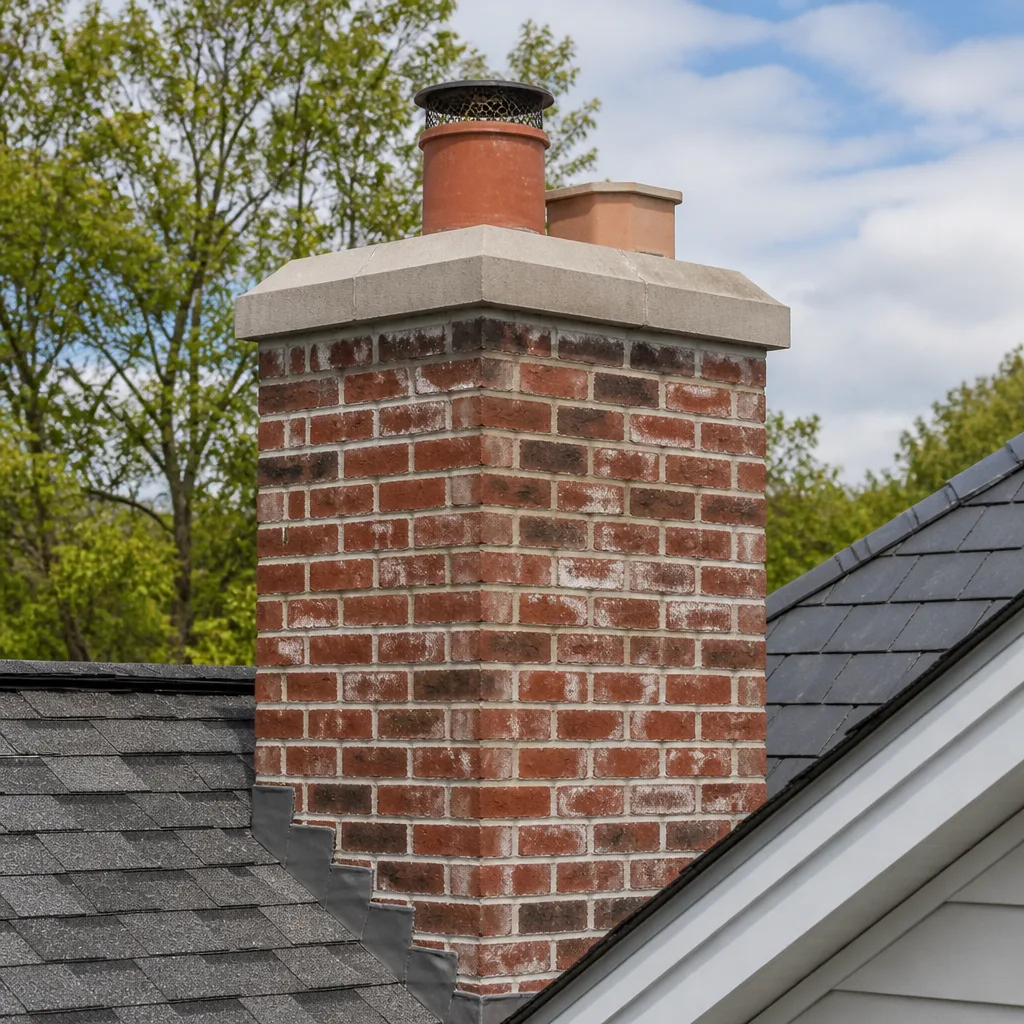 Masonry repair
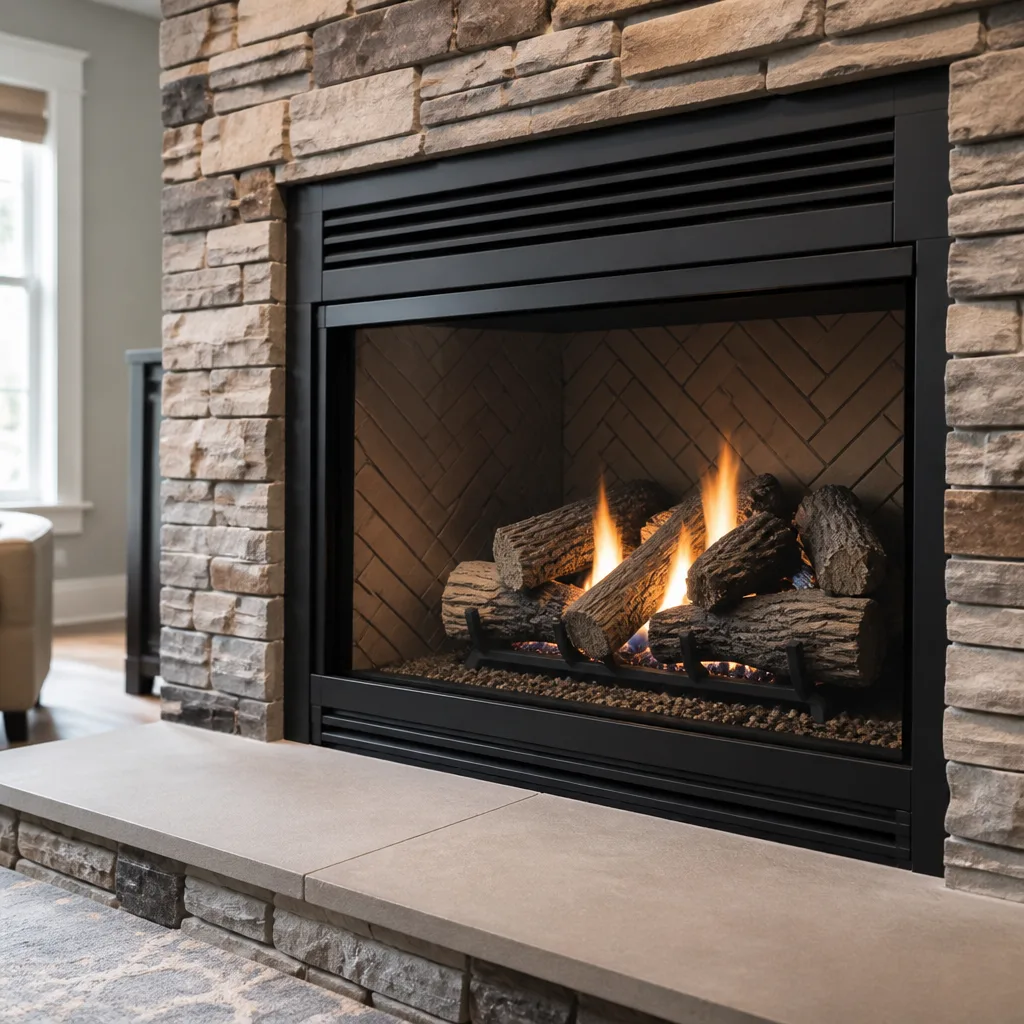 Gas fireplace service
Level 1 sweep and inspection to the NFPA 211 annual standard - flue, crown, cap, and flashing checked and photographed
Chimney sweep logs do not sweep chimneys. They loosen some creosote - which then falls where a brush and vacuum still have to collect it.
The Complete Guide to Chimney Cleaning in Eagle Mountain
Most chimney fires don’t start because a homeowner skipped a cleaning. They start because the cleaning happened, the firebox looked spotless, and nobody checked the flue liner for the hairline crack that turns glaze creosote into a blowtorch. In our experience, that gap between “cleaned” and “inspected” is the single biggest reason wood-burning homes end up with damage they could have caught early. This guide maps a proper chimney cleaning in Eagle Mountain from the cap on the roof to the ash dump in the firebox, so you know exactly what was done, what it protects, and what still needs attention.
Quick Answer
A complete chimney cleaning in Eagle Mountain is a system diagnosis, not a brush and a vacuum. It includes removing creosote and soot from the flue, checking the liner, cap, crown and firebox, and performing a Level 1 or Level 2 inspection depending on what the sweep finds. The cleaning is only the first step; the inspection report tells you whether your system is serviceable, needs monitoring, or needs repair before the next fire.
Styles & brands we work with
- Sweep & inspection
- Caps & crowns
- Flue relining
- Masonry repair
- Gas fireplace service
Table of Contents
- The Anatomy of a Full-System Chimney Cleaning
- How Eagle Mountain’s Elevation and Canyon Drafts Affect Creosote
- Level 1, 2 and 3 Inspections: Which One You Actually Need
- Why Gas Fireplace Flues Still Need Annual Service
- What Professional Rotary Cleaning Removes That Brushes Leave Behind
- How to Read Your Sweep Report
- What We Never Ask a Homeowner to Do
- When to Book in Eagle Mountain
The Anatomy of a Full-System Chimney Cleaning
People talk about “getting the chimney swept” as if it were one action. It’s really a sequence of checks, each with its own job. When we run a full-system cleaning in Eagle Mountain, we work top-down so nothing from above contaminates what we just cleaned below.
Here’s the order a proper job follows:
- Cap and crown check. The roof-level cap keeps rain, birds and draft-stopping debris out of the flue. The concrete crown sheds water away from the chimney shell. If either is failing, moisture is already getting in, and the cleaning won’t fix that.
- Flue and liner inspection with a camera. We look for cracked tile joints, gaps in flue sections, and glaze creosote. This is where a brush-only service misses the whole story.
- Rotary sweeping of the flue. We use the professional rotary systems that whip the flue walls and clear the hard glaze a hand brush won’t touch.
- Firebox and smoke chamber. Soot and creosote accumulate here too, and it’s where a lot of draft problems originate.
- Damper and ash dump. A stiff damper or a blocked ash dump affects how the fire burns, not just how it cleans.
- Written report. Every finding is documented, with photos, before we leave.
That sequence matters because a sweep that starts at the firebox and stops there tells you almost nothing about your liner’s health. The right way to think about it is the difference between a Chimney Sweep Eagle Mountain and a full-service inspection: one clears the flue, the other tells you whether the flue can safely carry another fire season. We treat those as the same job.
How Eagle Mountain’s Elevation and Canyon Drafts Affect Creosote
Creosote doesn’t form at the same rate everywhere. Altitude and how your chimney drafts both change the chemistry of a fire. Eagle Mountain sits high on the western bench of Utah County, and the cold air rolling down the nearby canyons in winter affects how a chimney performs compared to a valley home forty minutes away.
Here’s what that means in practice:
- Cooler flue temperatures. Higher elevation and colder ambient air mean flue gases cool faster. Cooled smoke condenses sooner, and condensation is exactly how creosote forms. A home that produces a light dusting of soot at lower altitude can build glaze here.
- Inversion conditions in Eagle Mountain. When cold air settles and the canyon drafts get gusty, draft can fluctuate. A chimney that drafts unevenly burns incompletely, and incomplete burning produces more creosote, not less.
- Hardwood vs. softwood. The species you burn matters more here because slower-drying local wood holds more moisture. Wet wood is the fastest route to a glazed flue.
- Draft reversal on windy days. Canyon wind can push cold air down a flue before a fire is lit, which is normal but needs watching if you’ve had gaps in the liner.
Our practical takeaway for Eagle Mountain homeowners: don’t assume the annual schedule a valley homeowner keeps is enough. If you burn hard through the cold months, your flue sees more condensate than a comparable home at lower elevation, and a cleaning that includes a real liner inspection is how you catch it before it becomes a chimney repair bill. Our technicians have up to 9 years of experience reading these patterns on the bench.
Level 1, 2 and 3 Inspections: Which One You Actually Need
The National Fire Protection Association sets the standard for chimney inspections in NFPA 211, and it defines three levels. Knowingly picking the wrong one is how homeowners walk away thinking their chimney was cleared when it wasn’t.
- Level 1. A visual inspection of readily accessible parts of the chimney and venting, with the fireplace and damper checked. It’s the minimum for an annual sweep on a system that hasn’t changed and has no known problems. This is what most routine annual cleanings include.
- Level 2. Everything in Level 1 plus a visual inspection of accessible areas of the attic, crawlspace and other portions of the chimney exterior, and it’s typically done with video scanning of the flue. It’s called for after a hard heating season, after a chimney fire (known or suspected), after a change in fuel type, after a liner replacement, or when you’re buying or selling a home.
- Level 3. The most thorough, done when a Level 1 or 2 finds a serious hazard that requires access to concealed parts of the chimney. It typically means removing part of the chimney or building to get a look.
After a hard heating season in Eagle Mountain, a Level 2 with video scanning is the one we recommend most often. Why? Because Level 1 won’t reliably show you the hairline tile crack that sits behind the visible flue. If you’ve had a chimney fire or you’re not sure you have, Level 2 is not optional.
If the inspection shows a cracked or deteriorated liner, that’s where our HeatShield liner restoration work comes in. HeatShield resurfaces a failing flue from the inside, restoring a safe flue without the cost and disruption of a full liner replacement in many cases. It’s a specialized service most sweep-only companies simply can’t offer, and it’s one of the reasons we think of the sweep as a diagnosis, not a commodity.
Why Gas Fireplace Flues Still Need Annual Service
Gas fireplaces burn cleanly, which leads a lot of Eagle Mountain homeowners to assume the flue takes care of itself. It doesn’t. Gas still produces exhaust, and the byproducts of combustion include water vapor that condenses inside a cool flue. That condensation is acidic enough over time to attack masonry and metal liners.
Here’s what accumulates in a gas flue that seeing blue flames doesn’t reveal:
- Moisture and acidic condensate from combustion, especially when the flue runs cool.
- Debris from outside. Birds, leaves, and dust that gets past a failing cap all collect in a gas flue too.
- Soot from the burner’s start-up cycle. A gas log set can produce light soot while the burner warms.
- Liner corrosion. Over years, acidic condensate weakens metal liners, which is a job for an inspection rather than a brush.
Annual service on a gas fireplace includes cleaning the burner and logs, checking the vent, and inspecting the liner. We use cap and crown products from Gelco and Famco to seal the top of the system against exactly the moisture intrusion that gas flues are prone to. A gas fireplace that burns well and still needs fireplace repair down the road is usually one whose flue was never inspected.
If you have a gas fireplace in Eagle Mountain, put it on the same annual schedule as a wood-burning one. The failure mode is slower, but it’s real.
What Professional Rotary Cleaning Removes That Brushes Leave Behind
A standard brush-and-vacuum setup is better than nothing, but it’s limited by how brushes work. A hand brush clears loose soot. It doesn’t aggressively scrape the flue wall, and it can’t reach creosote that has hardened into glaze. That glaze is where risk concentrates, because glaze creosote ignites at a much lower temperature than loose creosote.
Professional rotary cleaning systems work differently. A spinning head with abrasive rods contacts the flue wall directly and clears the harder deposit without prying at the tile. What that removes:
- Glaze creosote that brushes slide over.
- Hardened soot baked onto the flue wall during the heating season.
- Creosote in the smoke chamber, which is a step many basic sweeps skip entirely.
What we don’t do is chase every last stain down to bare tile if the deposit isn’t a risk. The goal is safety, not a cosmetic flue. Our rotary work is combined with a camera inspection so the finding is documented and not just reported verbally.
One word on safety before you consider doing anything up top yourself: working on the roof, or opening up a firebox to access the flue, involves real fall, burn and carbon monoxide hazards. Chimney work happens at height and inside a system that carries smoldering debris and combustion exhaust. It’s not a homeowner job. We flag that because a real expert should, and because DIY on a flue is how small problems turn into unsafe ones.
How to Read Your Sweep Report
The written report is the most important thing you take away from a cleaning. It’s also the part homeowners ask about most, so here’s how the language usually breaks down:
- “Serviceable.” The component is in good working condition and safe to use as-is. Keep up the annual service.
- “Monitor.” A condition exists that isn’t a hazard yet but could become one. This typically means wear you should watch over the next season, described exactly, with photos so you can see it yourself.
- “Repair before use.” A condition that makes the system unsafe to burn until it’s fixed. We don’t recommend burning, and we say plainly what that repair looks like. If it’s a liner issue, HeatShield resurfacing is often the choice; for flues that fail clearance or draft, a DuraFlex stainless liner may be the right call.
We always recommend nothing without camera evidence you can see. That’s not customer service theater; it’s how you avoid being told you need thousands of dollars of liner or masonry work you have no way to verify. If the problem can safely wait, we say so.
The work itself is priced by the written estimate, with a flat price agreed before the sweep. Every cleaning includes a camera inspection and a photo report, so the report is something you can read the same day rather than a phone call you have to take on trust.
What We Never Ask a Homeowner to Do
A proper cleaning is done by a trained professional, and part of our job is being clear about where the danger lives. We never ask a homeowner to go up to the roof, open a flue to inspect it, or work on a liner. Those are fall, burn and carbon monoxide hazards, and the stakes are too high to learn on your own chimney.
What a homeowner can reasonably do between professional visits:
- Keep the firebox clear of ash buildup and combustibles.
- Check that the cap on your chimney is still present and intact, from the ground with binoculars.
- Watch for draft issues, smoke spillage, or a soot smell and note when it happens.
- Book the cleaning before the cold season starts, not after the first big burn.
That’s the safe scope. Anything past it needs a trained eye, and the reason we treat the sweep as a diagnosis is precisely that the small visible problems are the ones that need real expertise to interpret.
When to Book in Eagle Mountain
The best time to book a chimney cleaning in Eagle Mountain is before the heating season, not in the middle of it. The urgency here is seasonal, not hourly: get the sweep on the calendar ahead of burning season so the report is done before you’ve already run a month of fires through a flue that needs attention.
A few practical points that fit an Eagle Mountain schedule:
- Book after the last fires of the season. A cleaning done right after the heating season gives you a fresh report and clear, clean flue going into storage.
- Get the inspection done before you light up. Late autumn is when a Level 2 inspection tells you the most about what a hard heating season did.
- Don’t skip a year. In a high-desert climate with long cold stretches, skipping a year means the creosote has had a full year to harden.
- After a suspected chimney fire, call before lighting another fire. A suspected fire means a Level 2, no question.
We’re closed on Saturday. The rest of the week we book sweeps into the calendar, and a call that lands outside the dispatch window gets placed in the next open slot in the Sunday through Friday, 7am to 7pm week. Our phones are answered 24/7, so you can reach us seven days when it counts.
Common Mistakes to Avoid
- Treating a brush-and-vacuum sweep as a full cleaning. If the report doesn’t include liner and cap inspection with photos, you got a flue cleaning and a guess.
- Skipping the inspection because the firebox looks clean. The firebox is the one part you can see; the hazard is usually in the flue above it.
- Burning wet wood in Eagle Mountain’s cold season. Damp wood drives more condensate and more creosote in a high-altitude flue.
- Ignoring cap and crown damage. A missing cap or a cracked crown is the leading route for moisture intrusion, and moisture is what begins the slow structural attack on the whole chimney.
- Assuming a gas fireplace needs no annual service. Gas still produces acidic condensate, debris and liner wear.
- Booking only after a problem appears. A sweep report is worth far more before the repair than after it, especially after a hard heating season.
- Trusting a “you need a full liner” verdict without camera evidence. Some liners do need replacement, but you should be able to see the evidence, not take the word for it.
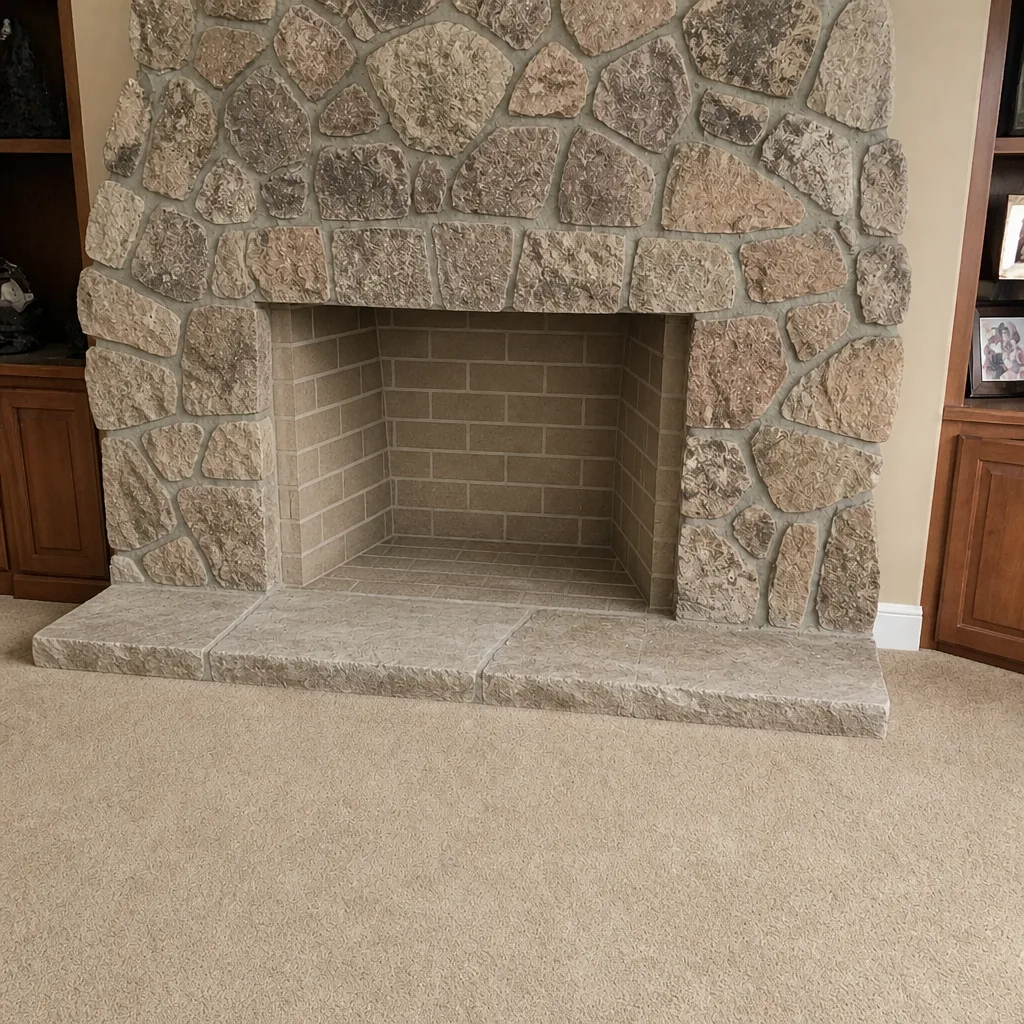
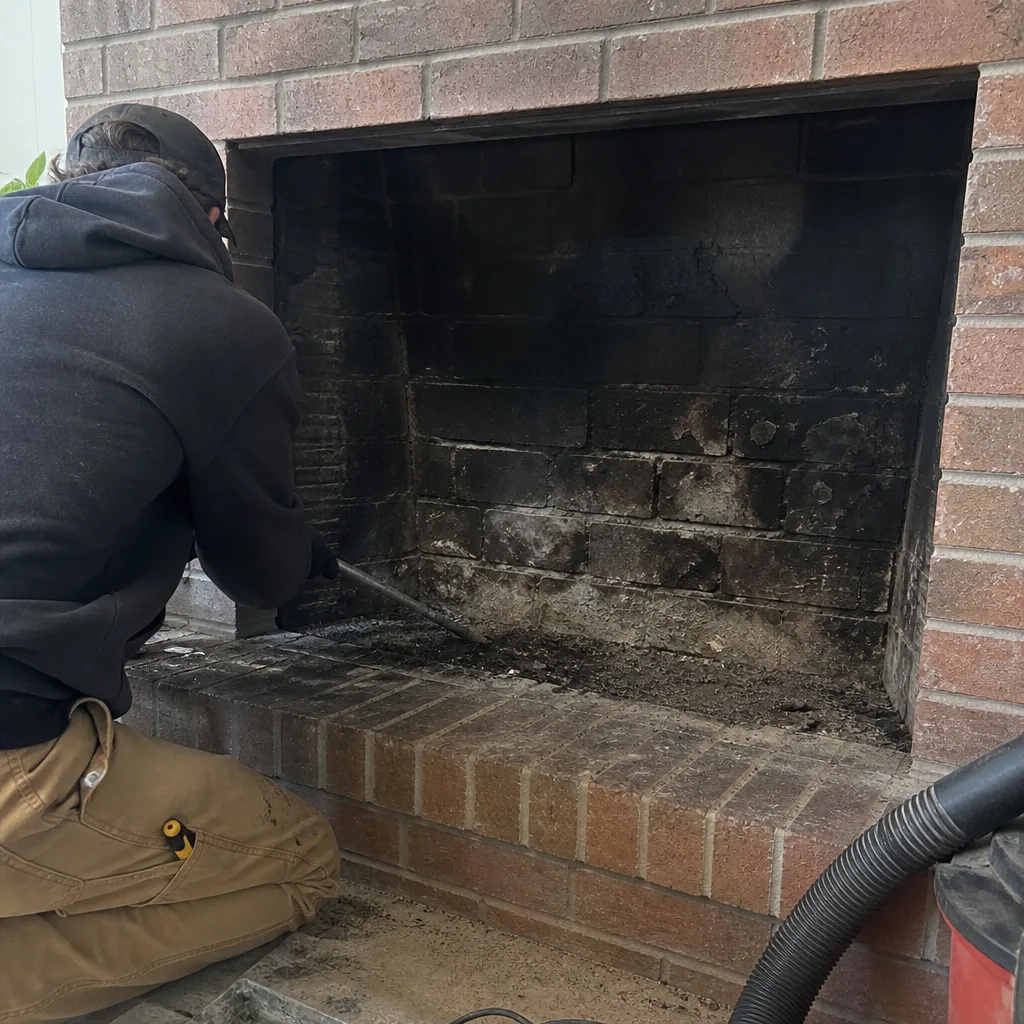
See the difference
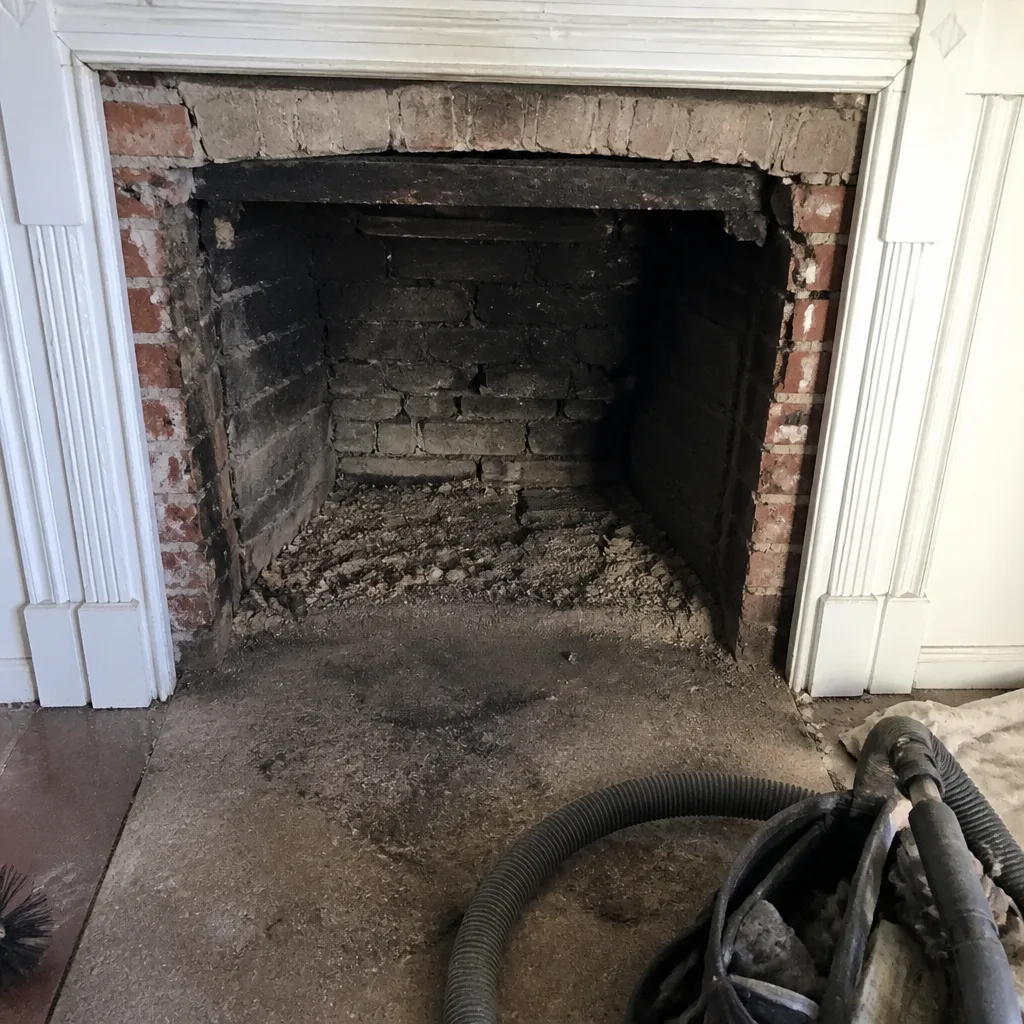 Before
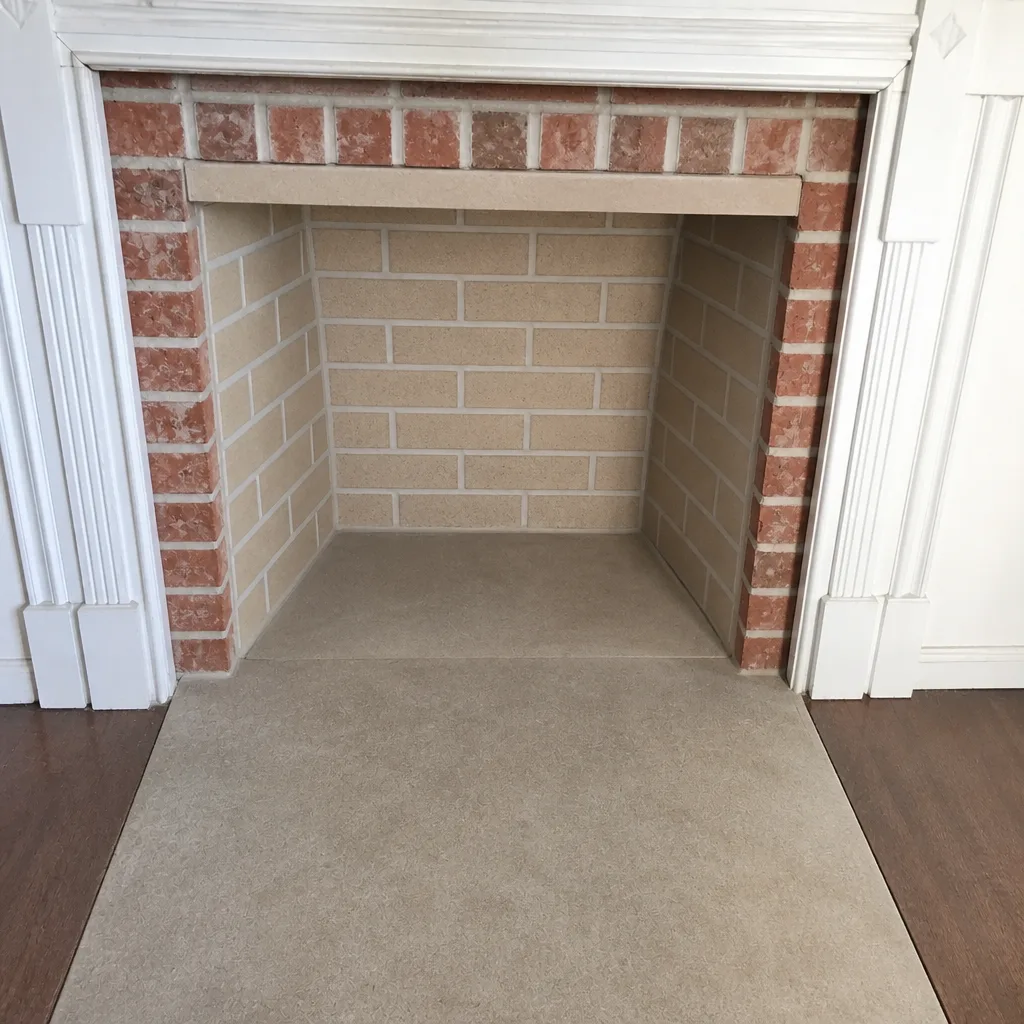 After
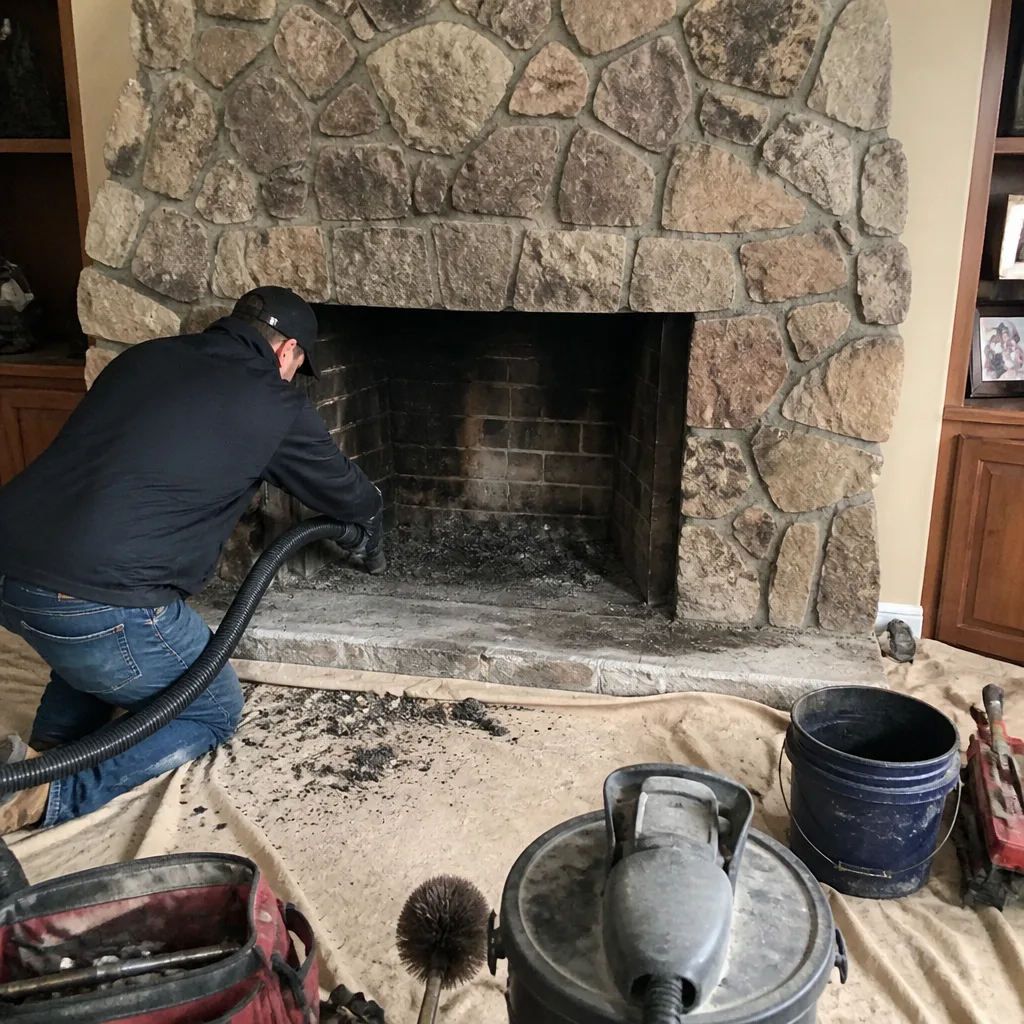 Before
 After
 Before
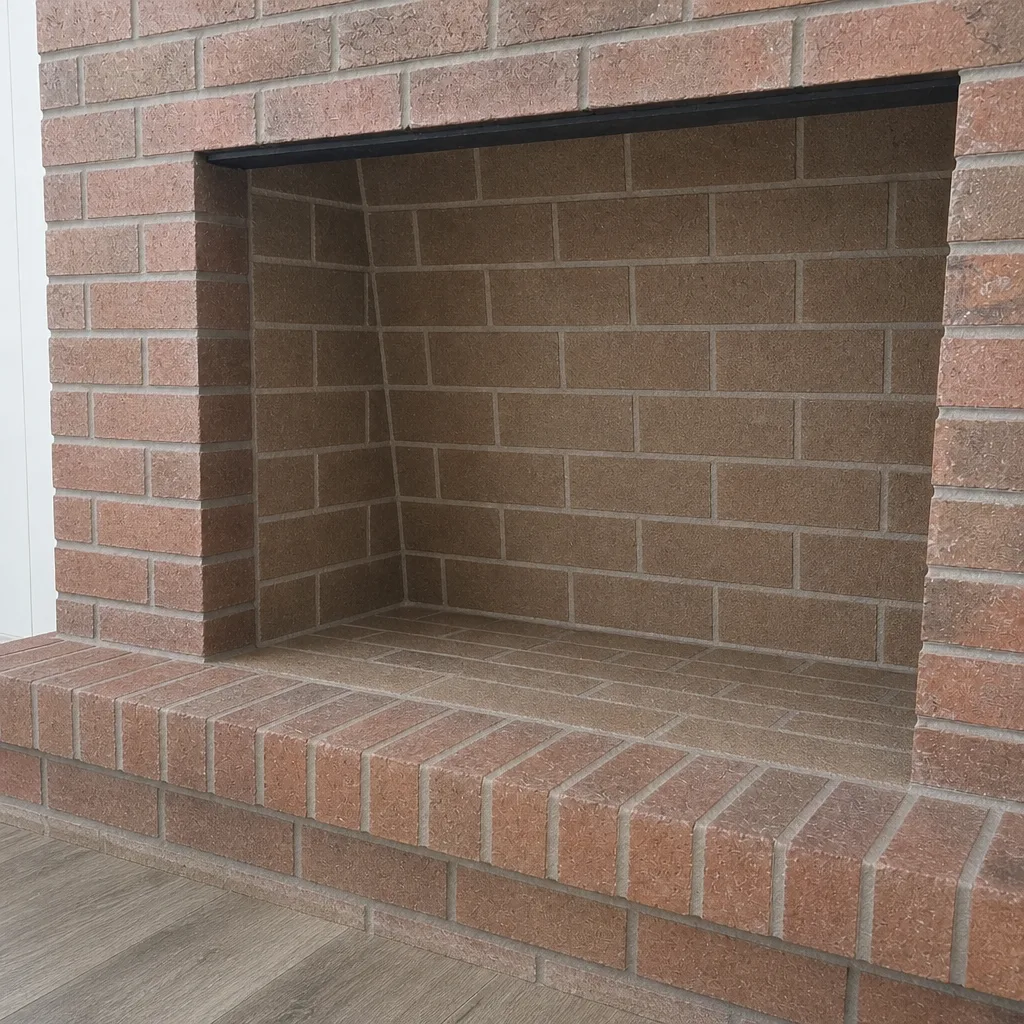 After
When to Call a Professional
You should call for a professional cleaning when any of the following apply: your firebox is showing soot or dark creosote on the walls, your fireplace is slower to draw than it used to be, you’ve had a suspected or actual chimney fire, you’ve just moved into a home in Eagle Mountain and don’t know its cleaning history, or it’s simply been a full heating season since the last sweep. If you’re unsure what condition your flue is in, that’s the reason to call. A proper sweep tells you what the flue looks like from cap to smoke chamber. Chimney Sweep Eagle Mountain offers free estimates in Eagle Mountain, and we’ll tell you plainly when a problem can safely wait. Call (844) 948-2069.
Frequently Asked Questions
A typical chimney sweep in Eagle Mountain is set by a written estimate after we’ve seen the chimney, so the price reflects your actual system rather than a flat guess. The written estimate sets the final price, and the estimate is free. Levels of inspection and any repair are quoted separately once we’ve done the cleaning. Call (844) 948-2069 for an exact quote, estimates are free.
Once a year for a home that burns regularly, and sooner if the firebox is in heavy use or you’re burning wet wood. The NFPA recommends an annual inspection and cleaning as needed, and in Eagle Mountain’s higher, colder climate the creosote can deposit faster than at lower altitude. If it’s been more than a season, book before your next fire. Call (844) 948-2069 to get on the schedule.
Not always. Many failing liners can be restored with HeatShield resurfacing rather than replaced with a full stainless liner, and the right answer depends on what the camera shows. What we won’t do is recommend either without evidence you can see. If your liner is cracked or deteriorated, the report will show you exactly where. Call (844) 948-2069 to schedule the inspection.
Creosote builds up and hardens, and glaze creosote ignites at a much lower temperature than loose soot, which raises the risk of a chimney fire. A cracked or damaged liner also becomes a pathway for carbon monoxide where it shouldn’t go. Those are real risks, not scare tactics. A cleaning and inspection is how you catch it early. Call (844) 948-2069 for a free estimate.
Yes. Gas burns cleanly at the burner, but the flue still collects debris and acidic condensate from combustion, and over time that wear shows up on the liner and the cap. Annual service includes burner cleaning, vent check and a liner inspection. Call (844) 948-2069 to book.
We inspect the whole system from the cap and crown down through the flue, smoke chamber, firebox and damper, and we document findings with a camera inspection and photo report. That’s how we can tell you whether your system is serviceable, needs monitoring, or needs repair before use. Call (844) 948-2069 for a free estimate.
The Bottom Line
Chimney cleaning in Eagle Mountain is a system diagnosis. It starts at the cap, moves through the liner with a camera, clears the rotary-safe creosote a hand brush can’t reach, and ends with a written report and photos you can read for yourself. Skip any layer and you’re guessing at safety. The professional brands we work with, from HeatShield to Gelco and Famco, are the same materials restoration contractors rely on, and the reason to keep an annual schedule is to catch the small issues before they require a full repair. Book the cleaning before burning season, read your report, and don’t burn in a system that failed its inspection. If you’re ready to start, our team is ready to inspect.
Contact Us
Ready to get your chimney on a real maintenance schedule? Call (844) 948-2069 for a free estimate. We answer 24/7, book sweeps Sunday through Friday from 7am to 7pm, and we’re closed Saturday. We’ll walk you through exactly what your chimney needs and tell you plainly what can wait.
Written by the team at Chimney Sweep Eagle Mountain.